
Last updated November 4, 2026
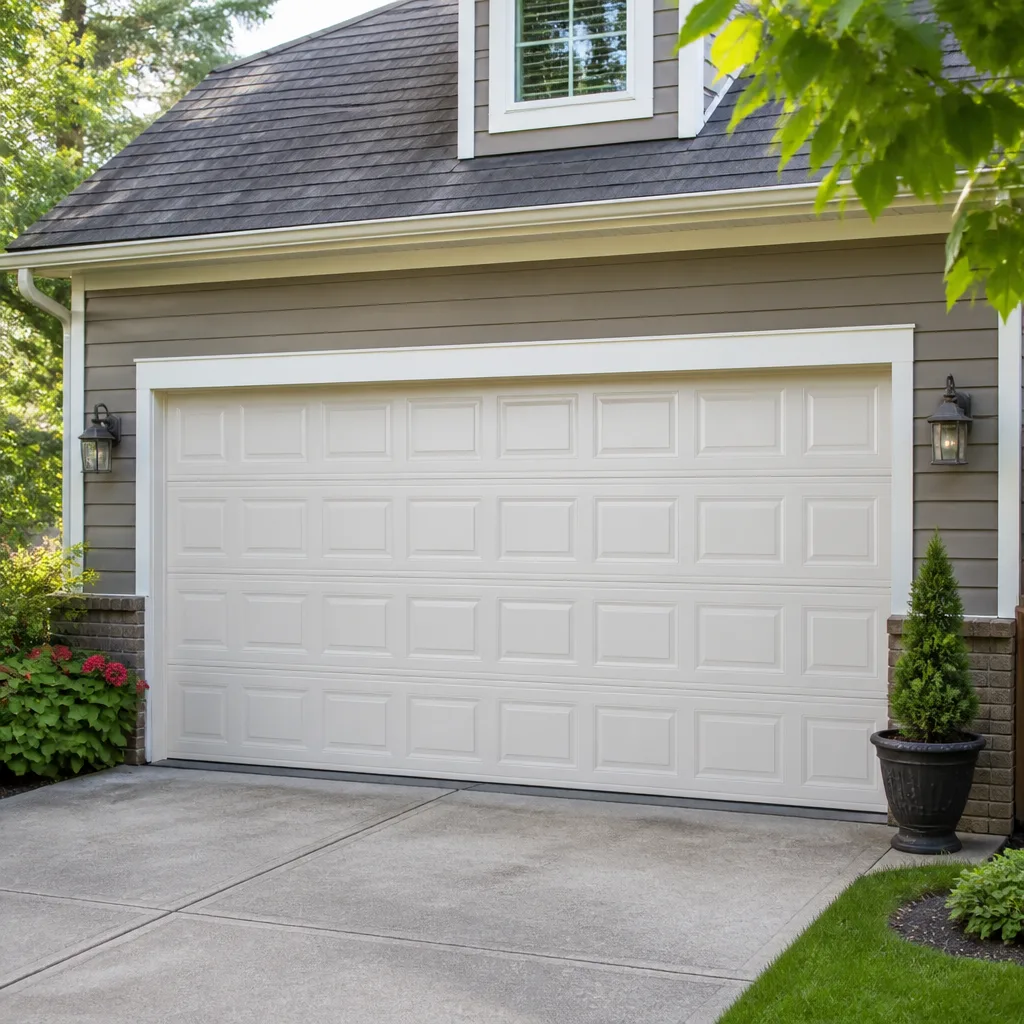 Raised-panel steel
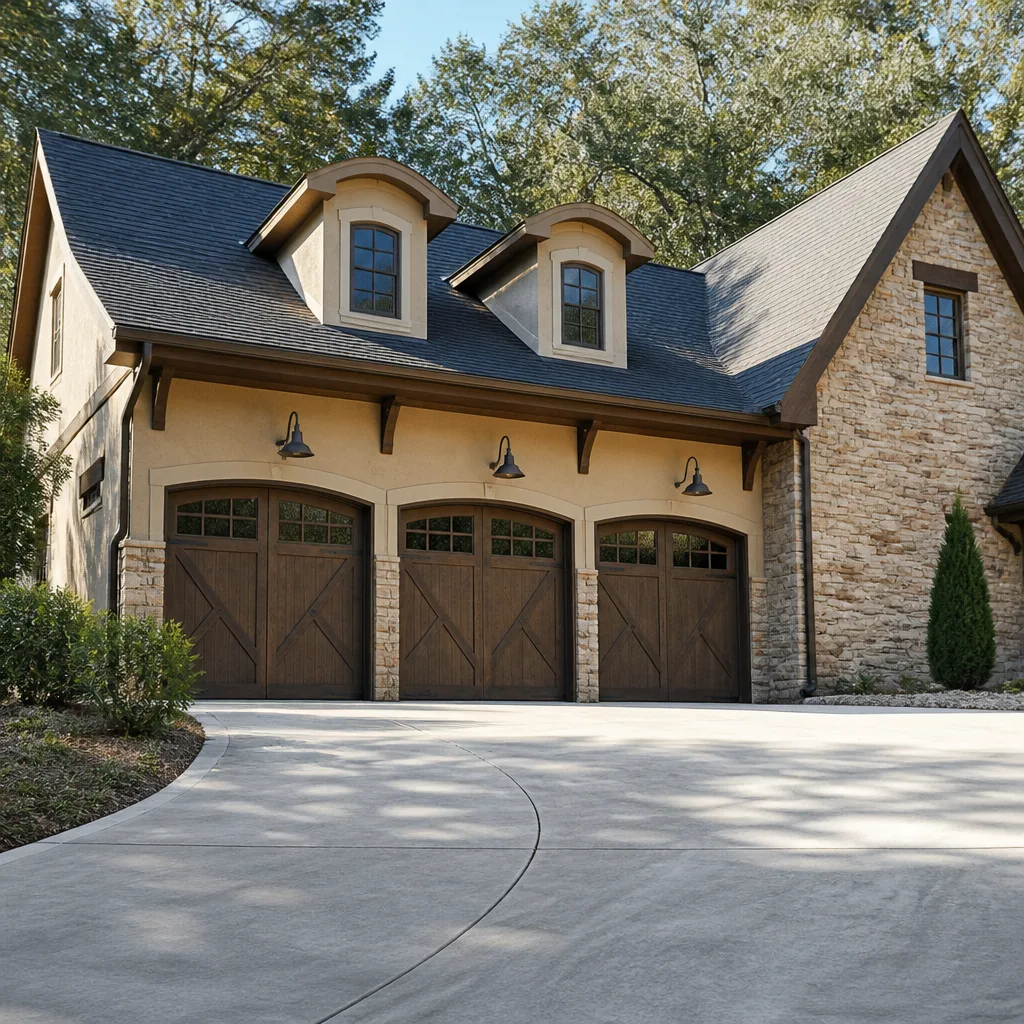 Carriage house
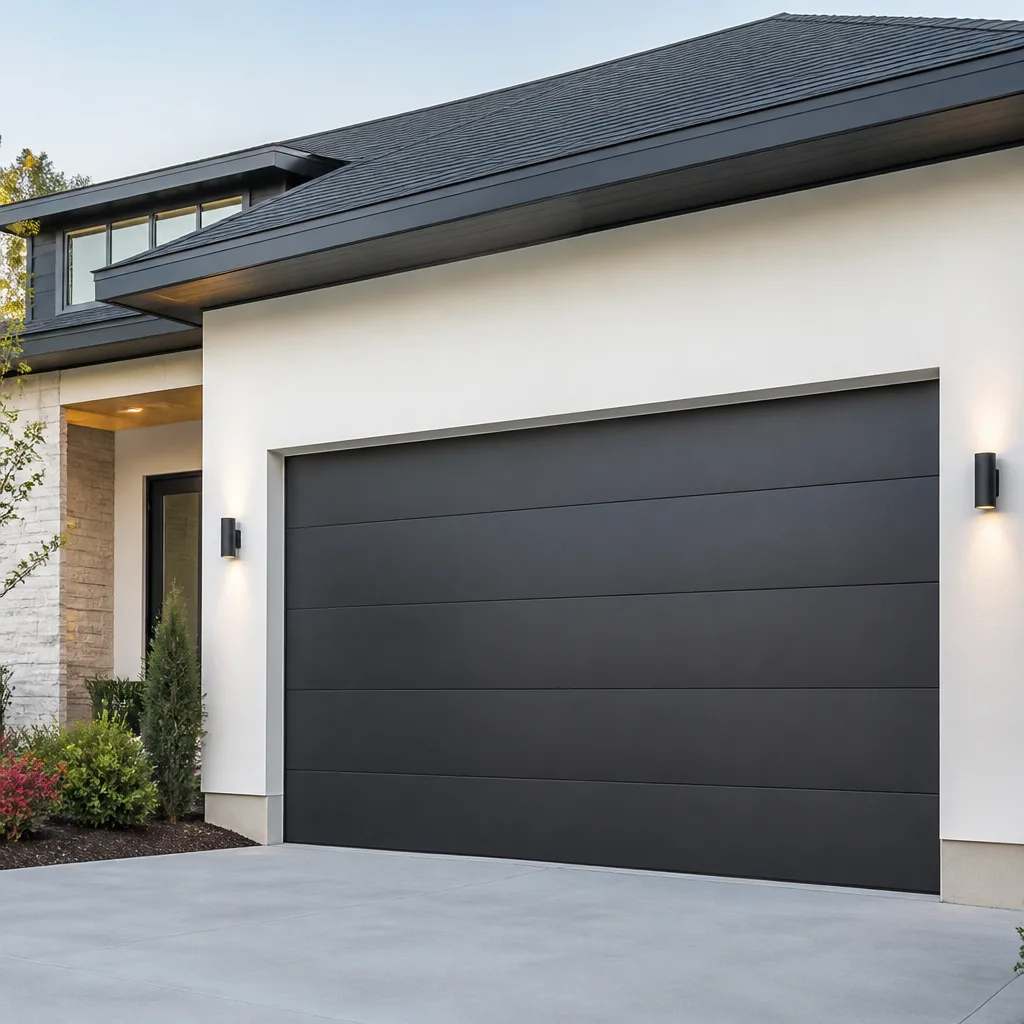 Modern flush
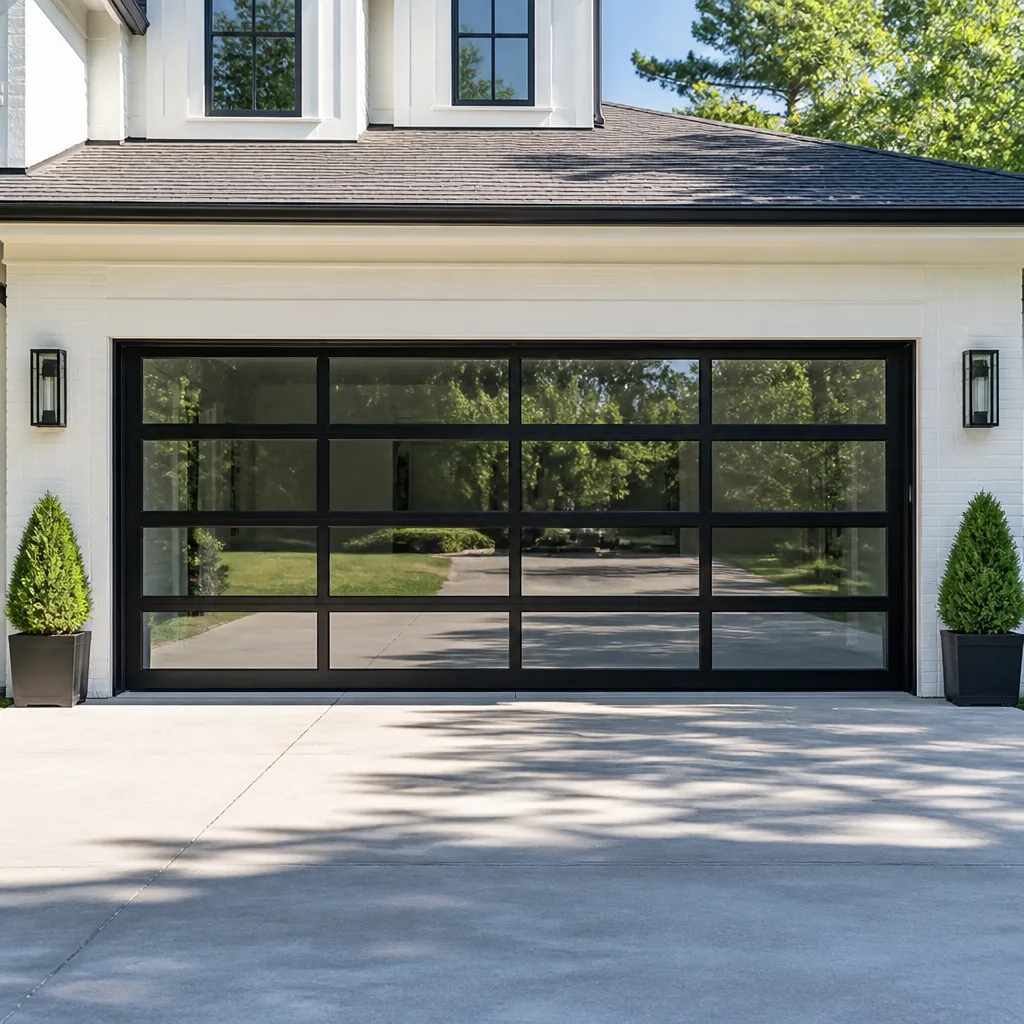 Full-view glass
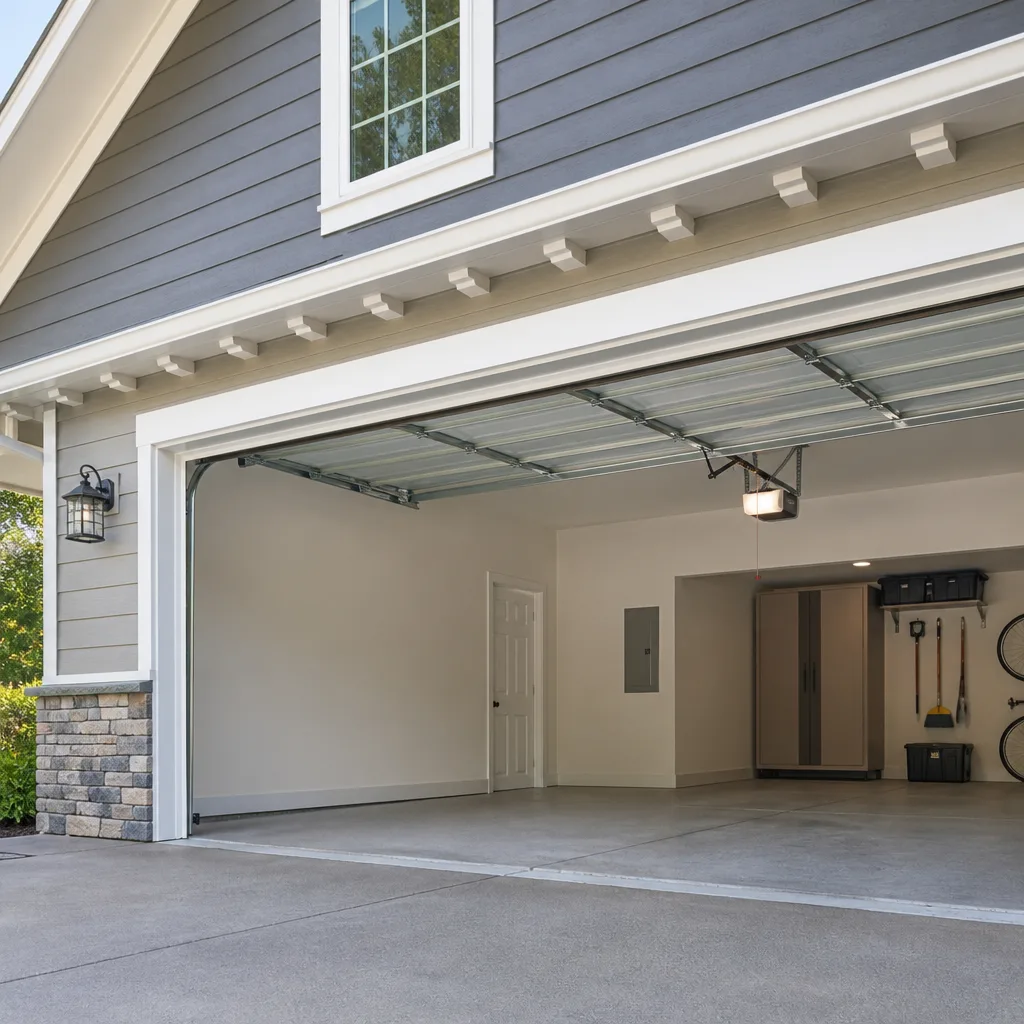 LiftMaster openers
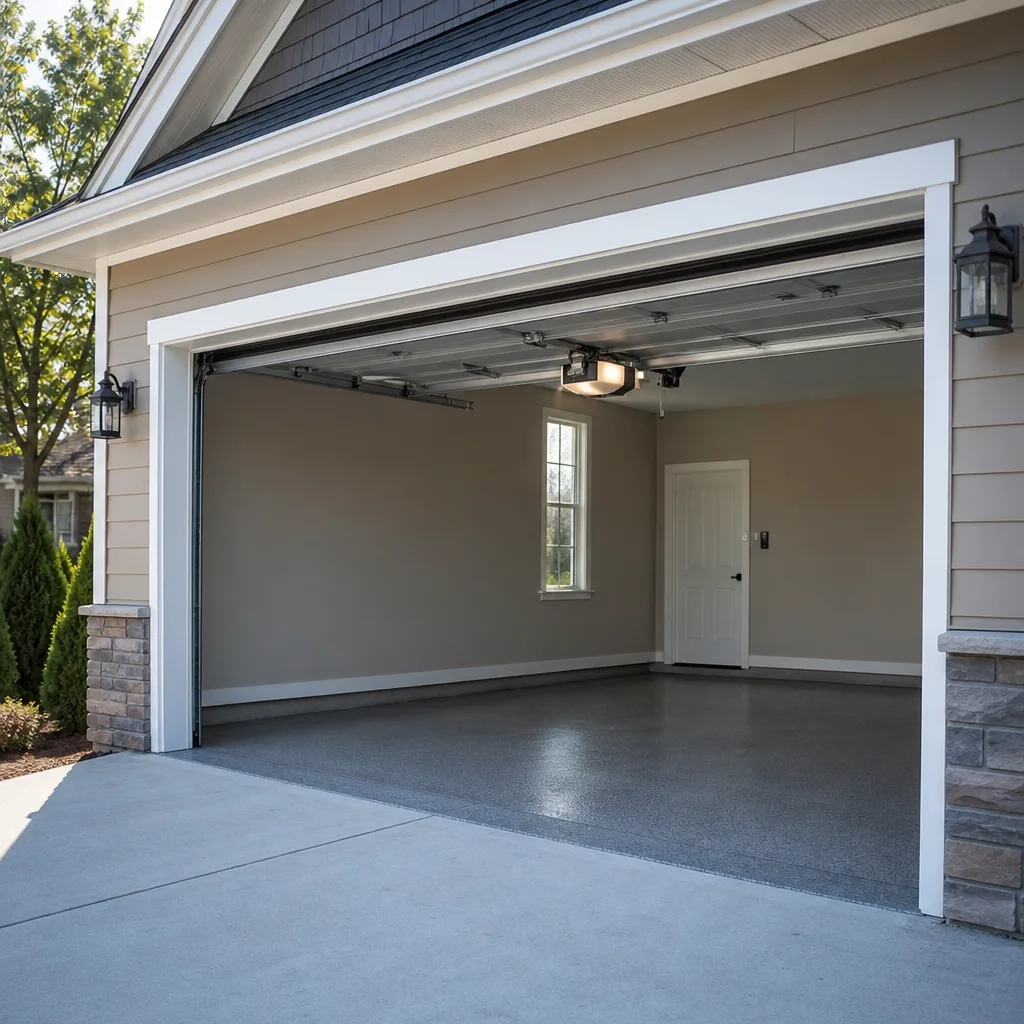 Chamberlain openers
Full 25-point door and opener safety check with every visit - springs, cables, rollers, tracks, and your LiftMaster or Chamberlain opener included
You get a price before we start. It does not change when the truck arrives.
Get your free estimateSeasonal Garage Door Care for Alhambra: Year-Round Homeowner’s Guide
Most seasonal garage door maintenance advice is written for places with snow, road salt, and sub-zero nights. Alhambra gets none of that, so homeowners here often assume the door needs nothing. That assumption is exactly what keeps garage door technicians busy every July and January. Our mild climate creates its own stress cycle: dry Santa Ana winds that sap lubrication, wet winters that swell wood and start corrosion, and summer heat that bakes rubber seals until they crack. This guide maps the maintenance your door actually needs to the seasons Alhambra actually has. By the end, you’ll know what to check each month, what to leave alone, and when a quick call beats a slow problem.
Quick Answer
Seasonal garage door care in Alhambra means checking lubrication, weather seals, and track alignment at four specific points each year: before Santa Ana season in fall, after heavy winter rain, during the first spring heat, and again mid-summer. High-tension springs and cables should only be inspected visually by a homeowner; any repair to those parts requires a trained technician. A 30-minute visual check every three months catches most failures before they turn into a service call.
Styles & brands we work with
- Raised-panel steel
- Carriage house
- Modern flush
- Full-view glass
- LiftMaster openers
- Chamberlain openers
Table of Contents
- Why Alhambra’s Climate Punishes Garage Doors Differently
- Fall: Santa Ana Season Prep
- Winter: Rain, Wood Swelling, and Track Corrosion
- Spring: Post-Rain Inspection and Reset
- Summer: Heat, Seals, and Opener Behavior
- The 12-Month Maintenance Calendar
- Brand-Specific Maintenance Notes
- Common Mistakes to Avoid
- When to Call a Professional
- Frequently Asked Questions
Why Alhambra’s Climate Punishes Garage Doors Differently
Alhambra sits inland in the San Gabriel Valley, where the temperature swings are real but rarely extreme. A typical year runs from overnight lows in the 40s to summer afternoons that reach into the 90s. That’s a 50-degree spread, and every degree of it moves metal, rubber, and wood in slightly different ways. The bigger factor is what the air carries, or doesn’t. Santa Ana winds push humidity down into the single digits in fall. El Niño winters bring consecutive wet weeks. Summer delivers months of direct sun on doors that face west or south. Each of these conditions causes a specific, predictable set of problems, and none of them match what a Midwest maintenance guide will tell you to expect.
In our experience as a Garage Door Service Alhambra team, the most common seasonal failure isn’t a broken spring. It’s a bottom seal that gave out quietly and let dust, water, and pests in for weeks before anyone noticed. That’s a cheap part and a five-minute fix, but the consequences of ignoring it can include warped tracks, rusted rollers, and a door that no longer sits level. Understanding the local pattern is half the battle.
- Santa Ana winds (Oct-Dec): single-digit humidity strips lubricant from rollers and hinges, increases static, and pulls moisture from wood sections.
- El Niño rain (Jan-Mar): consecutive wet weeks swell wood doors, expose bare metal to corrosion, and test every gap in the weather seal.
- Summer heat (Jun-Sep): sustained sun on the door face degrades rubber, warps uninsulated steel panels, and can trigger opener heat sensors.
Fall: Santa Ana Season Prep
Santa Ana conditions are rough on garage doors because the air gets so dry so fast. When humidity drops into the single digits, the lubricant on your rollers, hinges, and spring coils thins out and evaporates. Metal parts that were moving quietly in October can start squealing by Thanksgiving, and that sound is friction doing structural damage. Dry air also pulls moisture from wood door sections, which shrink slightly and can change how the door meets the frame. Seals that were tight in summer can show small gaps just as winds start blowing dust and leaves into every crack.
Fall is also the season when spring tension changes most noticeably. Springs expand and contract with temperature, and the rapid swings of a Santa Ana week cause more movement than the gradual cooling of other climates. A spring that was perfectly balanced in August may feel a little different by November. You won’t be able to fix that yourself, but you can spot it before it fails completely.
Fall prep checklist:
- Lubricate moving parts. Use a garage-door-specific lubricant (not WD-40) on rollers, hinges, and the torsion spring. A light coat is enough. Too much lubricant collects dust and turns into grit.
- Wipe down the weather seal. Clean the bottom seal and the side weather stripping with a damp cloth. Dry air makes old rubber brittle; cleaning it lets you see cracks early.
- Test the balance. Pull the release handle with the door closed, then lift it manually to waist height. It should stay put without your hands on it. If it drifts up or down, the spring tension is off.
- Check the safety reversal. Place a piece of scrap wood flat on the ground in the door’s path and close the door. If it doesn’t reverse within a second or two of contact, the system needs attention.
- Tighten visible bolts and brackets. Vibration works hardware loose over a dry summer. A 3/8-inch socket wrench handles most of what you’ll see, but leave anything connected to springs alone.
Winter: Rain, Wood Swelling, and Track Corrosion
Alhambra winters are mild by any national standard, but a strong El Niño pattern can bring weeks of consecutive rain. That sustained moisture is the real threat to your door, not the temperature. Wood doors absorb humidity and swell. A door that fit smoothly in October can start binding against the frame by February, especially if it’s an older door that hasn’t been resealed in a few seasons. Steel doors don’t swell, but the unprotected edges of the panels can start to show rust where the paint has worn thin, and the horizontal track rails are the most common rust point we see after a rainy Alhambra winter.
The other winter issue is drainage. Many garages in Alhambra sit at or slightly below street level, and the apron in front of the door is often the lowest point. When rain pools against the bottom seal and sits there for hours, water eventually works its way under the seal and into the garage. It doesn’t take a flood. A quarter inch of standing water against the door for a few hours after every storm is enough to start the process.
Winter steps:
- Inspect the bottom seal after each storm. Look for gaps at the corners and any place where daylight shows through. A wet garage floor in the same spot each rain is your signal.
- Wipe down the bottom two feet of each track rail. Rain splash deposits dirt and debris in the tracks, and that grit accelerates wear on the rollers. A dry rag on the inside of the track is enough. Do not use water.
- Watch wood doors carefully. If the door starts to stick or scrape during a wet week, do not force it. The swelling will partially reverse when things dry out, but a door that consistently binds needs a professional adjustment.
- Check the garage floor slope. If water runs toward the door rather than away from it, address the exterior grade or add a taller bottom seal. This is a common Alhambra-specific problem on older homes.
If you do get a door that binds during wet weather and you can’t get it to close properly, that’s a safety issue as much as a convenience one. A door that’s fighting its own track is putting stress on every component in the system, including the spring. A quick garage door repair visit can identify whether it’s a simple seal problem or something more structural.
Spring: Post-Rain Inspection and Reset
Spring in Alhambra is the best time of year for a thorough door inspection. The rain has stopped, the temperature is mild, and everything that winter did to your door is now visible. Problems that were hidden by active rain, like slow seal failures or early rust, become obvious in March and April when things dry out and you can see the full picture.
The specific focus for spring depends on where your garage sits. Homes in the hillside and canyon-adjacent parts of Alhambra often have garages that sit below grade, with the door at the bottom of a short slope. Those doors take more water than a garage on a flat lot, and the post-rain inspection should reflect that. Look for water staining on the bottom panel, rust blooming on the lower track brackets, and any sign that the door shifted slightly out of square during the wet months.
Spring reset checklist:
- Wash the door exterior. Use mild soap and water. Winter rain leaves mineral deposits and grime that, left in place through the summer, bakes onto the surface.
- Check every roller for wear. Rollers with visible flat spots, chips, or wobble should be replaced. This is a routine, low-cost job that extends the life of the track and the opener.
- Test the door under power. Open and close the door twice, listening for any change in sound from fall. A new rattle or scrape tells you something shifted during winter.
- Re-tighten hardware after rain. Wet-dry cycles cause subtle expansion and contraction in the mounting hardware. A quick pass with a wrench on the track brackets and hinge bolts prevents wobble before it compounds.
- Inspect the opener chain or belt. Rain brings humidity that can cause minor rust on older chain-drive systems. A dry, clean chain with light lubrication runs quieter and puts less strain on the motor.
If your door sits below grade and you noticed water in the garage during winter, spring is the window to fix the drainage before next year’s rains. A taller bottom seal, a re-graded apron, or a threshold seal installed under the door are all options, and each one is a permanent fix rather than a seasonal patch.
Summer: Heat, Seals, and Opener Behavior
Summer is when Alhambra garage doors work the hardest, and it’s the season that generates the most service calls we field. The reason is straightforward: heat degrades rubber. The bottom seal on a residential door is typically made of EPDM rubber or a similar compound, and that material is designed to resist weather, not endless direct sun. A west-facing or south-facing door in Alhambra can sit in full afternoon sun for hours in July and August, and the surface temperature of a dark-painted steel door can climb well above the air temperature. The seal absorbs that heat and slowly loses its flexibility.
The same heat affects the garage door opener. Most modern openers from LiftMaster, Chamberlain, and Genie have thermal protection built into the motor. When the motor gets hot enough, often because the garage itself is heat-soaked from a day of sun, the opener will refuse to run or will stop mid-cycle and restart after a cooldown. Homeowners sometimes mistake this for a failed opener. It’s usually the thermal sensor doing its job, but if it happens repeatedly, the opener is working harder than it should, and that points to a balance or friction problem elsewhere in the system.
Summer heat protocol:
- Inspect the bottom seal in June and again in August. Look for cracks, flattening, and any spot where the seal has pulled away from the retainer. Heat damage to a seal is progressive; a small crack in June is a full split by September.
- Pay extra attention to dark-painted doors. They absorb more radiant heat and the lower panel, which sits closest to the ground and gets the most reflected heat, is usually the first place seals and paint fail.
- Keep the photo-eye lenses clean. Dust and heat make the safety sensors less reliable. A dry cloth on each lens once a month during summer solves most intermittent reversal problems.
- Do not over-lubricate in summer. Hot metal causes lubricant to thin and run. A light coat in June is usually sufficient through September.
- If the opener repeatedly stops mid-cycle on hot afternoons, call for a diagnostic. The issue could be the thermal sensor, or it could be a spring that’s lost tension and is making the motor work hard enough to overheat.
Summer is also the season when a garage door opener repair often turns out to be a spring or roller problem instead. A technician who checks the whole system, not just the opener, will find the root cause faster.
The 12-Month Maintenance Calendar
The simplest way to keep up with seasonal door care in Alhambra is to tie every task to a specific month. You don’t need a long weekend every season. A 30-minute check four times a year, plus a few two-minute habits, covers almost every common failure mode. Here’s the calendar we recommend to homeowners in Alhambra.
January: Post-storm check. Inspect the bottom seal after rain, wipe down the lower track rails, and look for any water staining inside the garage.
February: Watch wood doors for swelling and binding. If the door scrapes or sticks, note which side and whether it worsens after rain.
March: Clean the track interiors with a dry cloth. Rain season is ending; remove grit before it gets ground into the rollers.
April: Full spring inspection. Wash the door, check every roller, tighten brackets, test the balance manually, and run the door twice under power.
May: Lubricate hinges, rollers, and springs with a garage-door lubricant. This carries the door through the start of the dry season.
June: First summer seal inspection. Check the bottom seal for cracks and flattening, especially on west- and south-facing doors.
July: Clean the photo-eye lenses. Dust is at its highest and the sensors are the most common cause of mid-summer opener problems.
August: Second summer seal inspection. Heat damage is progressive, and a seal that was fine in June may need replacement by now.
September: Light lubrication refresh. A small amount on rollers and hinges before the weather shifts is enough.
October: Pre-Santa Ana check. Clean the seals, test the safety reversal, and tighten visible hardware.
November: Balance test. Disconnect the opener and lift the door manually. If it doesn’t hold at waist height, call for a spring tension check.
December: Drainage check. After the first real rain, confirm that water isn’t pooling against the door and that the seal is making full contact.
Brand-Specific Maintenance Notes
Different brands age differently, and a few notes specific to the common systems in Alhambra help. We work on the brand you already have, and part of that is knowing which systems need what at which point in their life. A Raynor wood door from the 1990s needs a different approach than a new steel Clopay. A Chamberlain opener with a belt drive behaves differently in heat than an older Genie chain-drive.
Raynor doors: Older wood Raynor models hold up well but need sealing maintenance more than any other brand we work on. The joints between sections are the vulnerable point. Re-caulking and repainting on a schedule prevents the swelling and binding that wet Alhambra winters cause.
LiftMaster and Chamberlain openers: These two brands share a lot of internal engineering, and newer models with DC motors run cooler than older AC units. The thermal shutdown that’s common on hot summer afternoons is more likely on a unit that’s eight or more years old. Keeping the chain or belt properly tensioned reduces the load and keeps motor temperatures lower.
Genie openers: Genie’s screw-drive and chain-drive systems both need more attention to rail lubrication than belt drives. In a dry Santa Ana season, an unlubricated screw-drive Genie will let you know with noise long before it fails. A light lubricant application twice a year works for most Alhambra homes.
Chamberlain smart openers: The Wi-Fi boards in app-enabled models are more sensitive to garage heat than the motor itself. If the app loses connection during a heat wave but the wall button still works, the board may be running hot. This is rare, but it’s worth knowing before you assume the opener is dead.
Common Mistakes to Avoid
- Using WD-40 on rollers and springs. It’s a solvent, not a lubricant, and it strips the real lubricant off metal surfaces. A garage-door lubricant costs a few dollars and is the right tool.
- Forcing a wood door that sticks in winter. It may just be swelling, but forcing it can crack the section or damage the track. If it resists, leave it and call for an assessment.
- Skipping the balance test because the opener works. The opener masks spring problems by doing the work the spring should be doing. That’s how a tired spring becomes a broken spring, and it usually happens at the worst possible moment.
- Cleaning the track with water. Water in the tracks during a dry Santa Ana week evaporates fast but leaves mineral residue that gums up the rollers. Dry cloth only.
- Waiting until the bottom seal splits before replacing it. A cracked seal still keeps out large debris, so it looks fine, but it’s letting water and dust through every day. Replace at first cracking, not at total failure.
- Assuming a hot opener means a bad opener. Heat shutdowns are protective behavior, and the root cause is often a spring or balance issue. Replacing the opener without fixing the underlying problem just gives you a new opener that also runs hot.
- Treating all four seasons the same. A door that gets checked in October and April is a door that rarely surprises you. A door that gets checked only when it breaks is a door that costs the most to own.
When to Call a Professional
Most of the maintenance in this guide is visual and safe to do yourself. But three things should stop you immediately and get you on the phone: any problem with the torsion spring, any cable that looks frayed or loose, and any door that behaves unpredictably under power. Springs and cables are under high tension, and the injuries they cause when they fail or when someone tries to work on them are serious. That is not a repair-first situation; it’s a professional-only situation. If the door reverses for no reason, closes halfway and stops, or makes a sound you have never heard before, stop using it. Garage Door Service Alhambra offers free estimates in Alhambra. Call (833) 620-4887. We answer 24/7. Fast dispatch from 7am to 7pm, Sunday through Friday.
Frequently Asked Questions
Twice a year is right for most Alhambra homes: once in May before the dry season and once in October before Santa Ana winds arrive. Doors that face west or south in direct sun may need a third light application mid-summer. Use a garage-door lubricant on the rollers, hinges, and torsion spring, and wipe off any excess. Excess lubricant collects dust and turns into an abrasive paste.
Wood doors absorb moisture during consecutive wet weeks and swell slightly, which can make the door bind against the frame or the track. This is a seasonal condition in Alhambra, not a permanent failure. If the door only sticks when it’s wet and moves fine when dry, the usual fix is a small clearance adjustment or seal replacement. If it sticks all the time, the door has likely warped out of square and needs a professional look.
Yes. A west-facing door in Alhambra gets direct afternoon sun in summer, and the surface heat degrades the bottom seal faster than on a north-facing door. Check the seal on a west-facing door monthly from June through September, and plan on replacing it more often than you would on a shaded door. Dark-painted doors on west-facing garages are the hardest-working doors in the city.
On most doors, yes. The seal slides into a retainer along the bottom edge, and replacement usually takes under an hour with no special tools. The important part is buying the right seal for your specific door brand and model. If the retainer itself is bent, cracked, or pulling away from the door, that’s a different job and may require a professional.
Most modern openers have a thermal sensor that shuts the motor down when it gets too hot. A heat-soaked garage in summer can push the motor past its limit, especially if the spring has lost tension and the opener is working harder than it should. An occasional shutdown is protective. Repeated shutdowns point to a spring or balance problem, and that’s worth a diagnostic call.
Doing the visual checks and lubrication yourself costs about $15 to $30 per year in supplies. If you’d rather have a professional do a full seasonal inspection and tune-up, the typical cost in Alhambra runs from $89 to $175 depending on the door type and what needs adjustment. Replacing a worn bottom seal adds $60 to $120 for most standard doors. Call (833) 620-4887 for an exact quote for your door. Estimates are free, and the price is confirmed in writing before any work begins.
The Bottom Line
Seasonal garage door care in Alhambra is about knowing what your local climate actually does to your door. Dry Santa Ana winds strip lubrication. Wet winters swell wood and start corrosion. Summer heat destroys seals and pushes openers to their thermal limits. None of these problems announce themselves loudly at first, which is why a simple seasonal routine catches them before they turn into a broken door or a burned-out opener. Four 30-minute checks a year, tied to the calendar, cover the vast majority of failures we see. When something does go wrong, or when a problem involves springs and cables, call (833) 620-4887. We answer 24/7. Fast dispatch from 7am to 7pm, Sunday through Friday. The estimate is free, the price is set before work starts, and the goal is always repair first.
Written by the team at Garage Door Service Alhambra, serving Alhambra since 2015.
See the difference
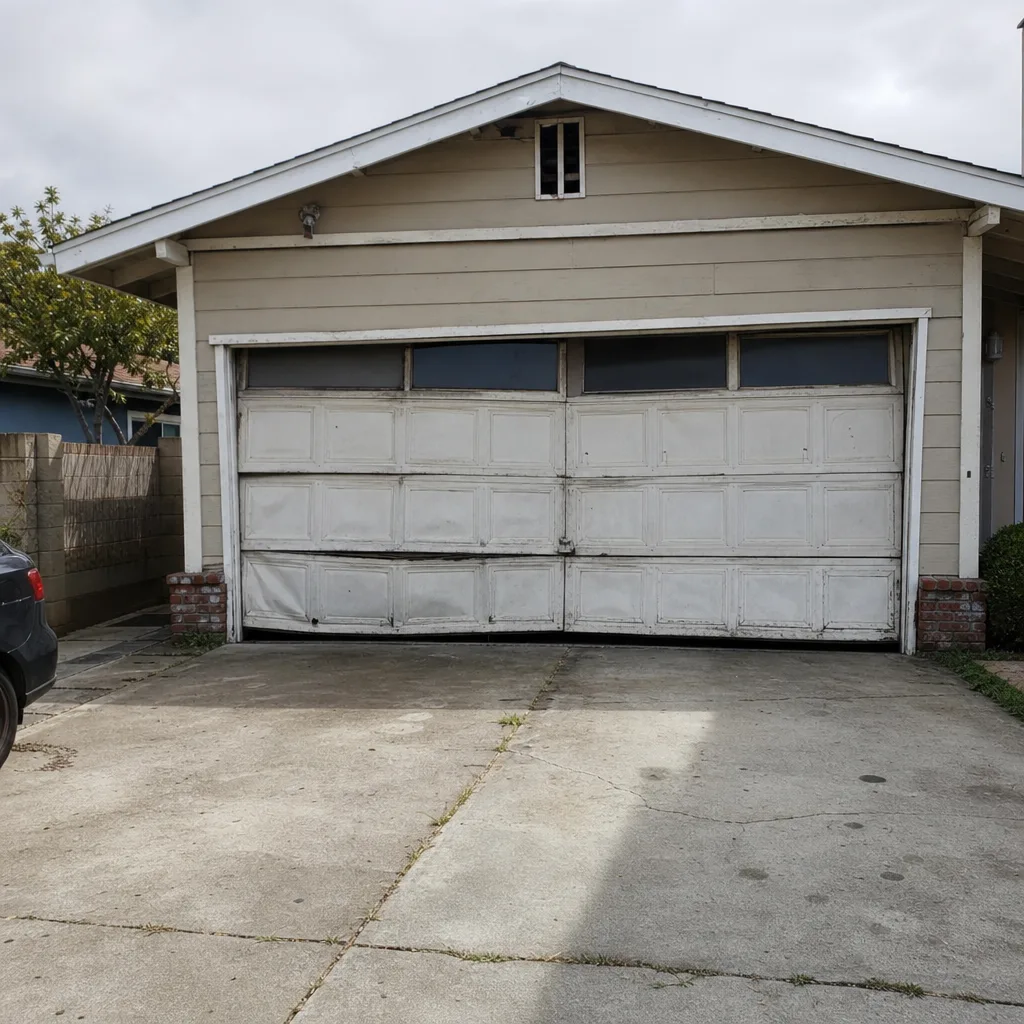 Before
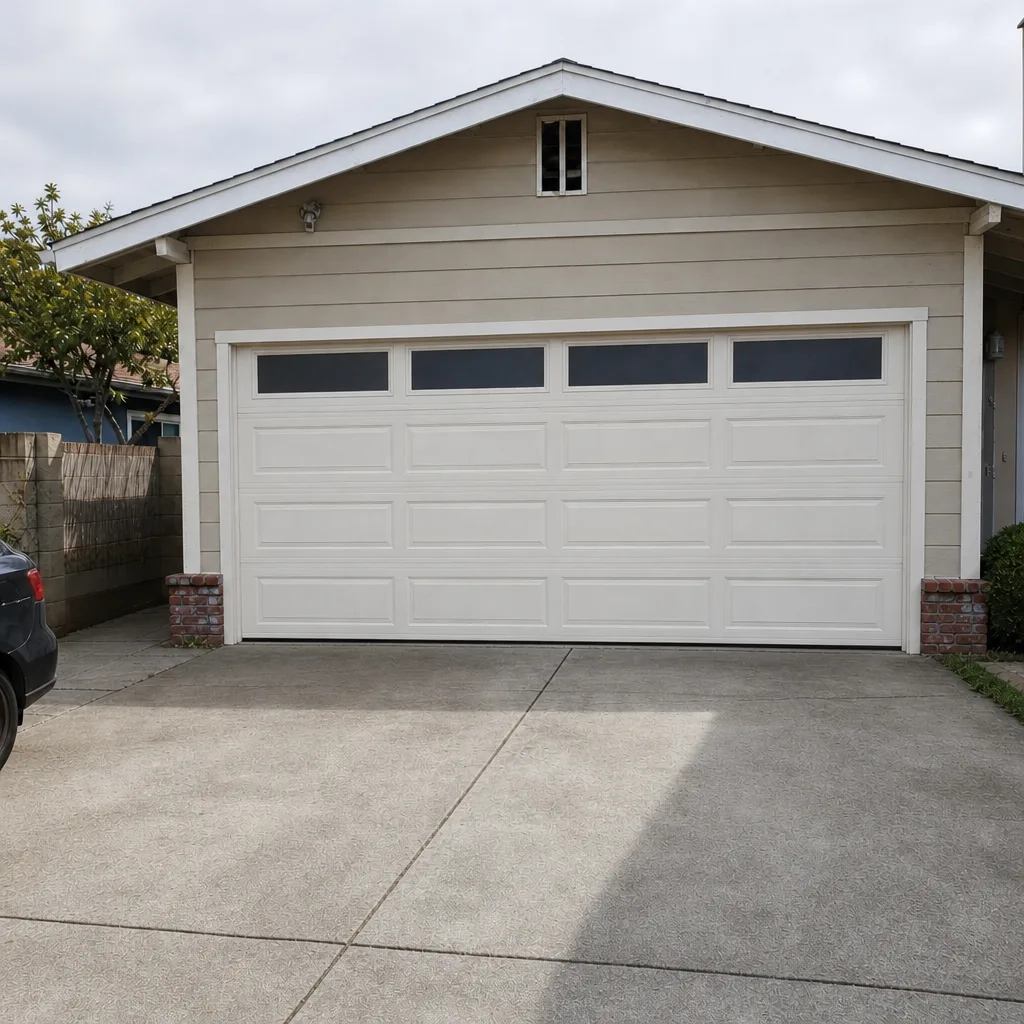 After
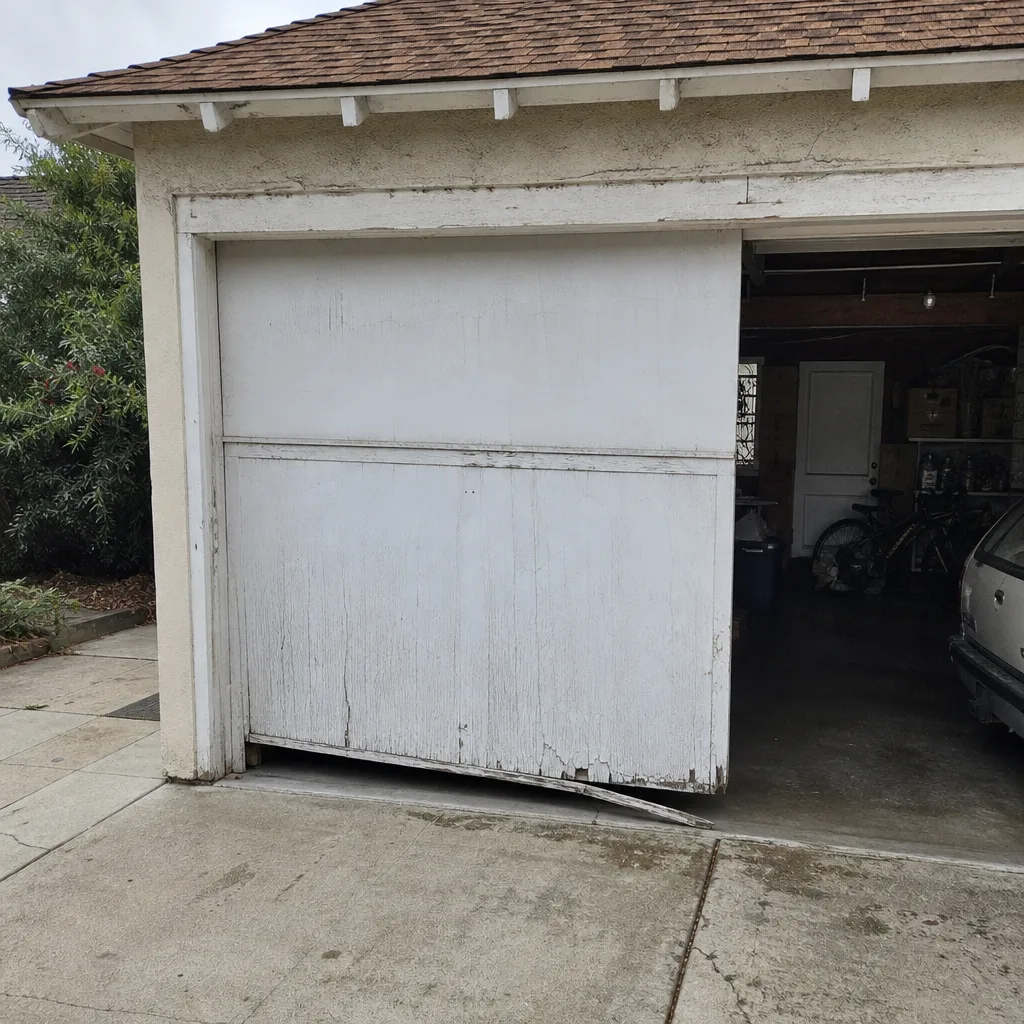 Before
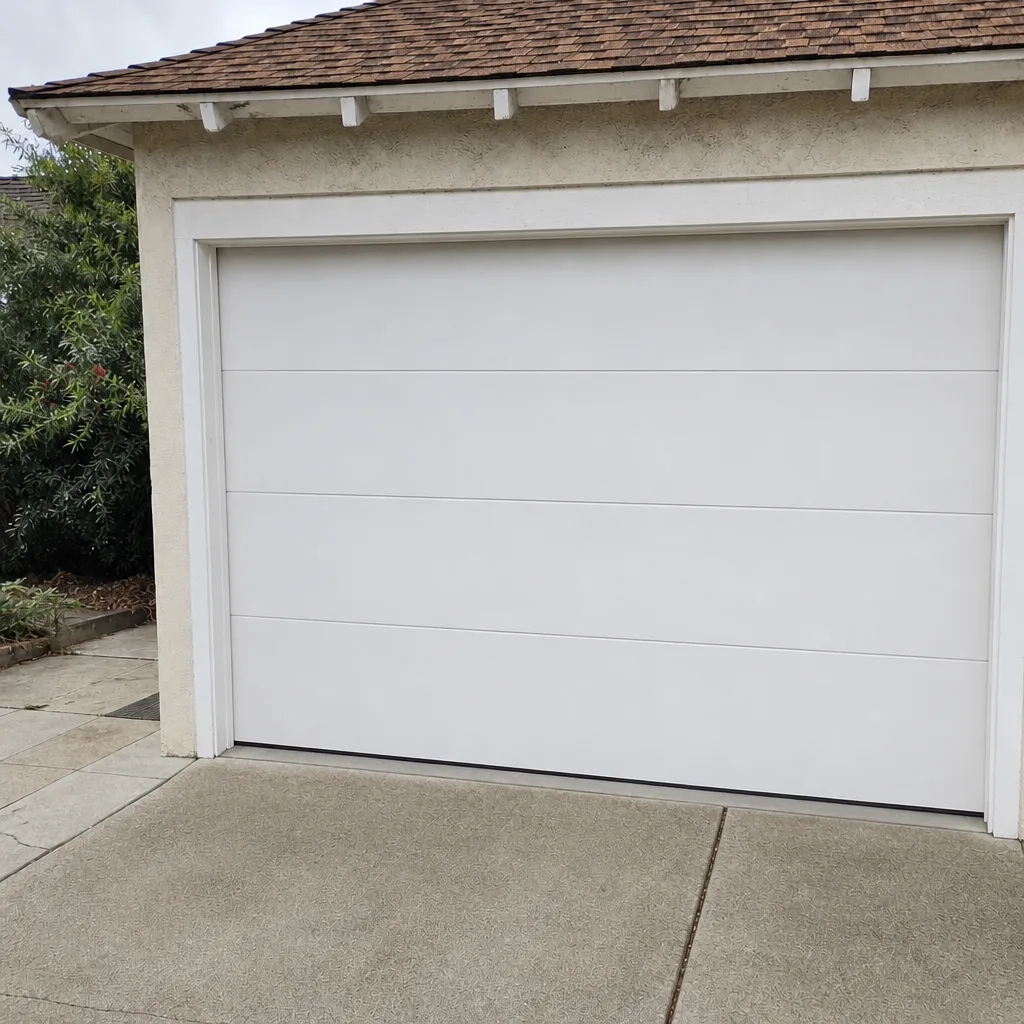 After
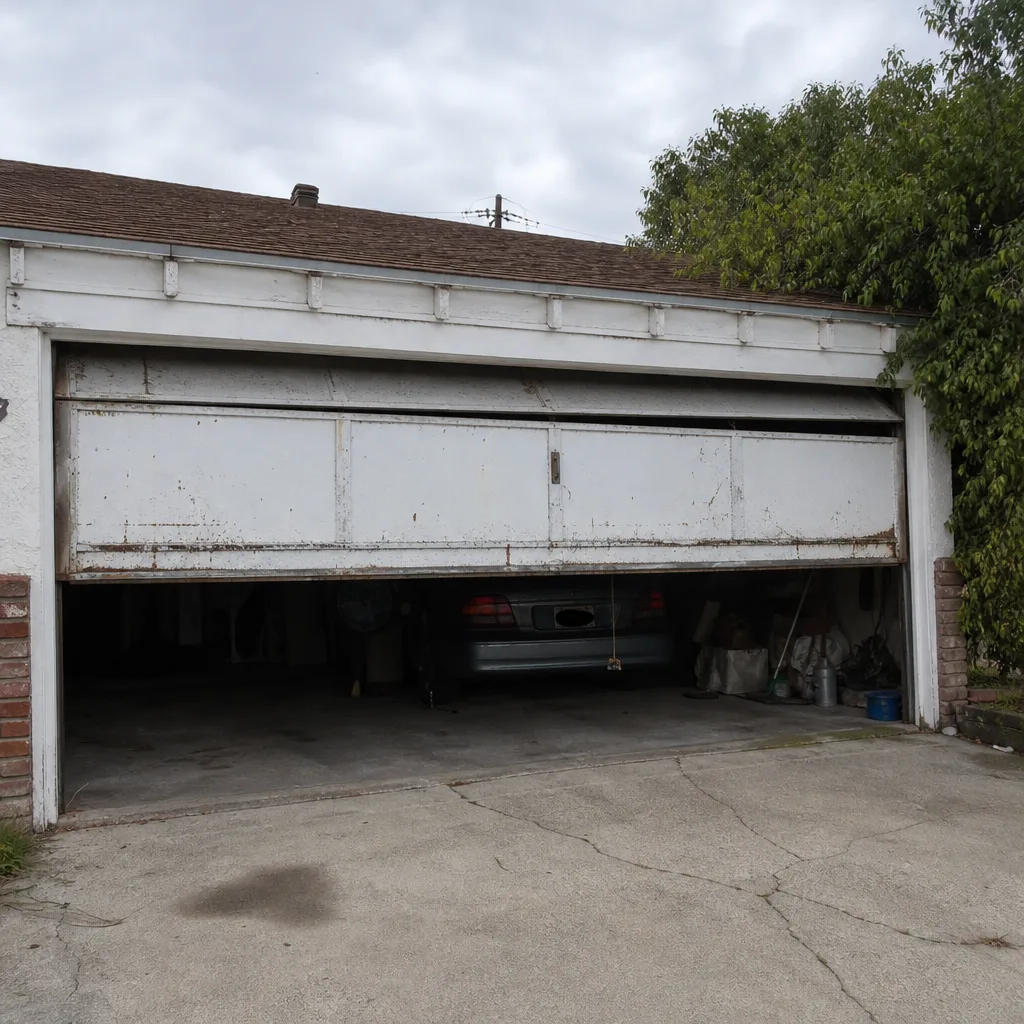 Before
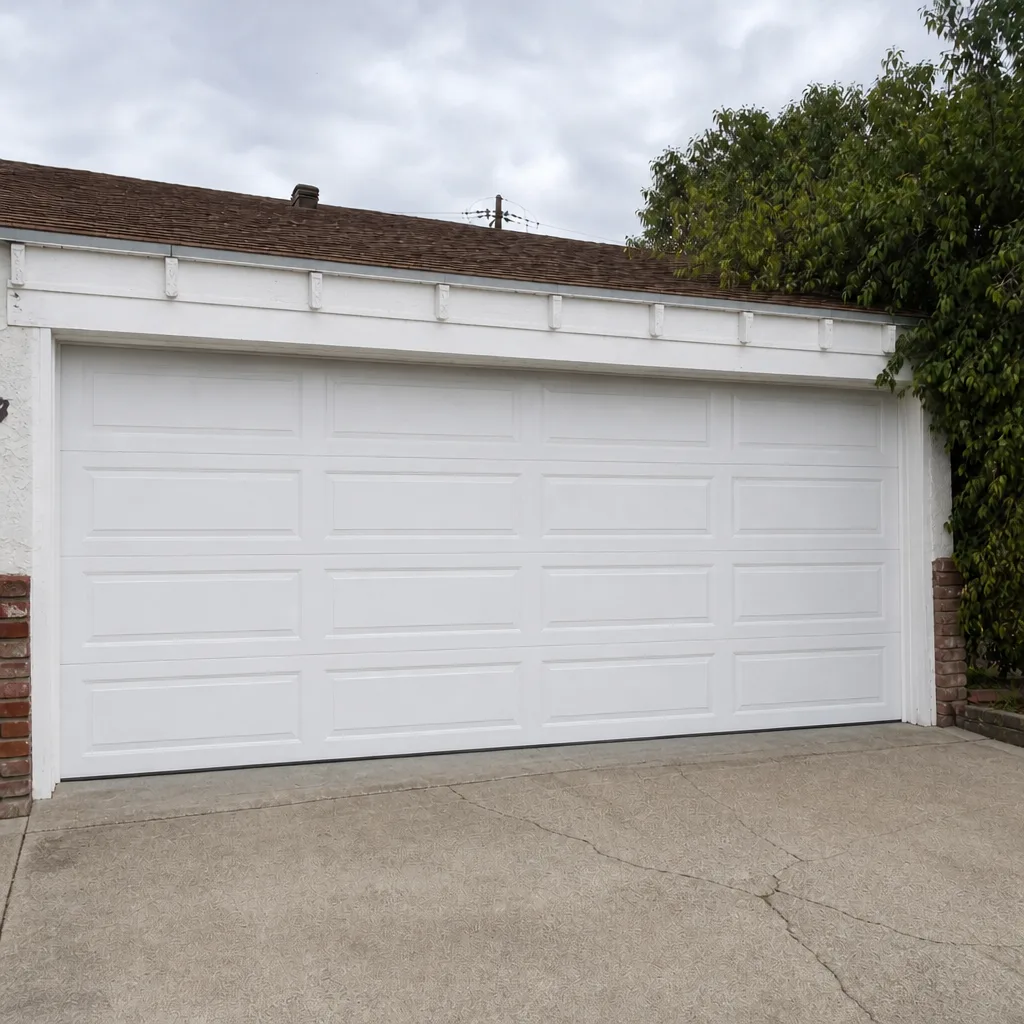 After