
Last updated November 4, 2026
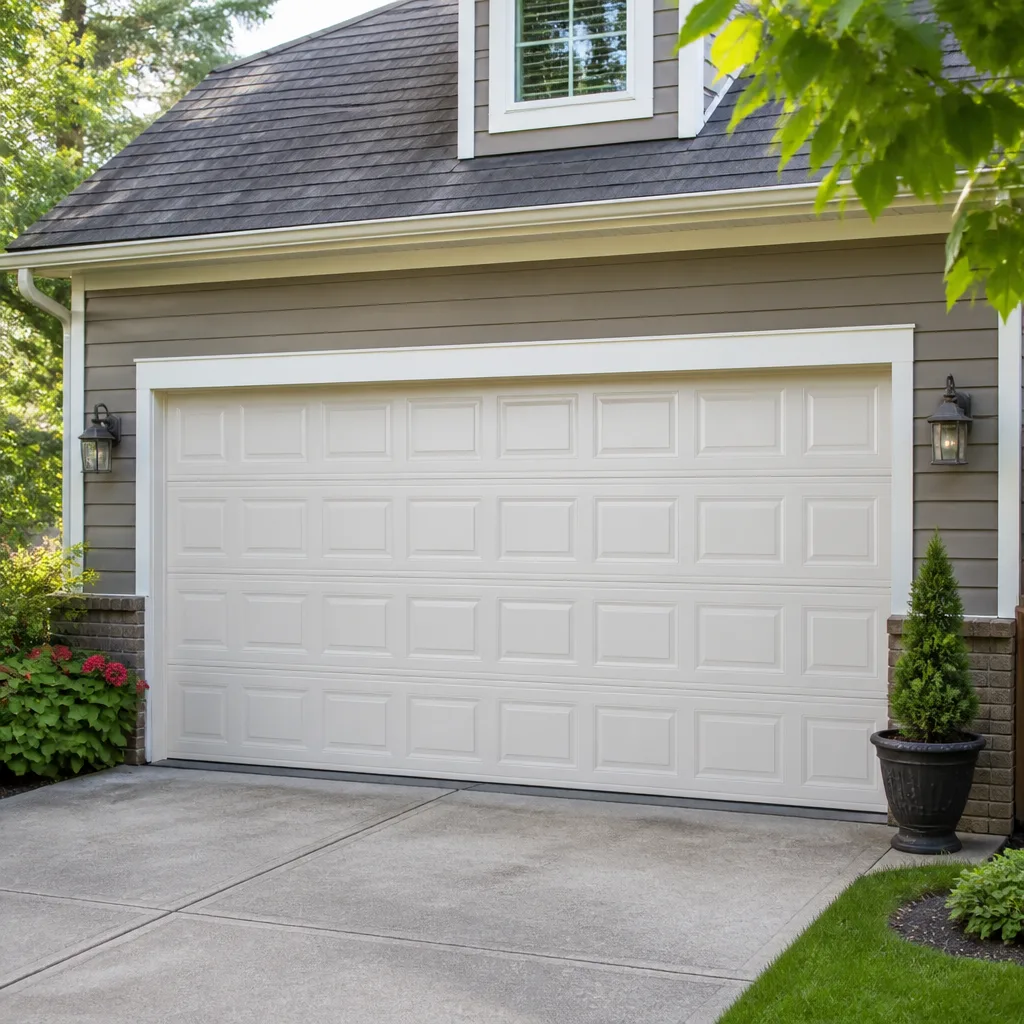 Raised-panel steel
 Carriage house
 Modern flush
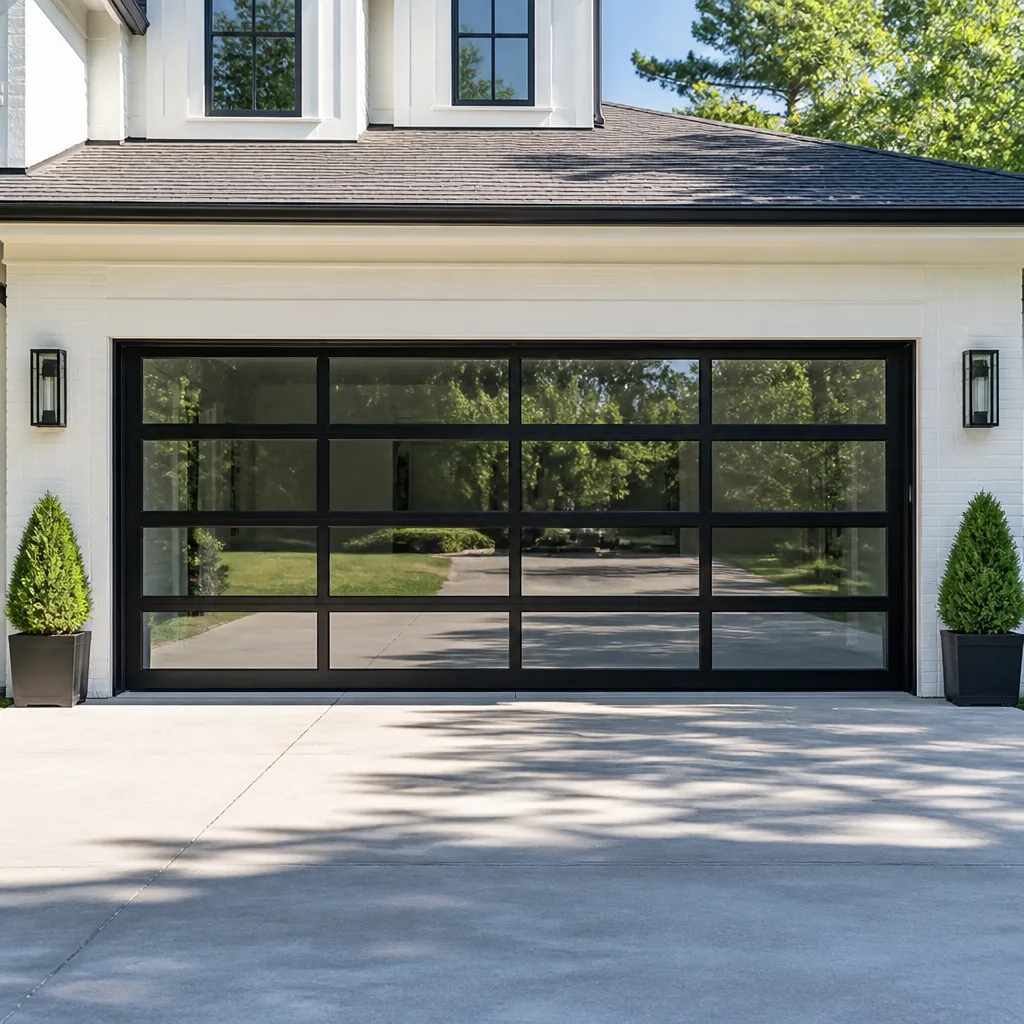 Full-view glass
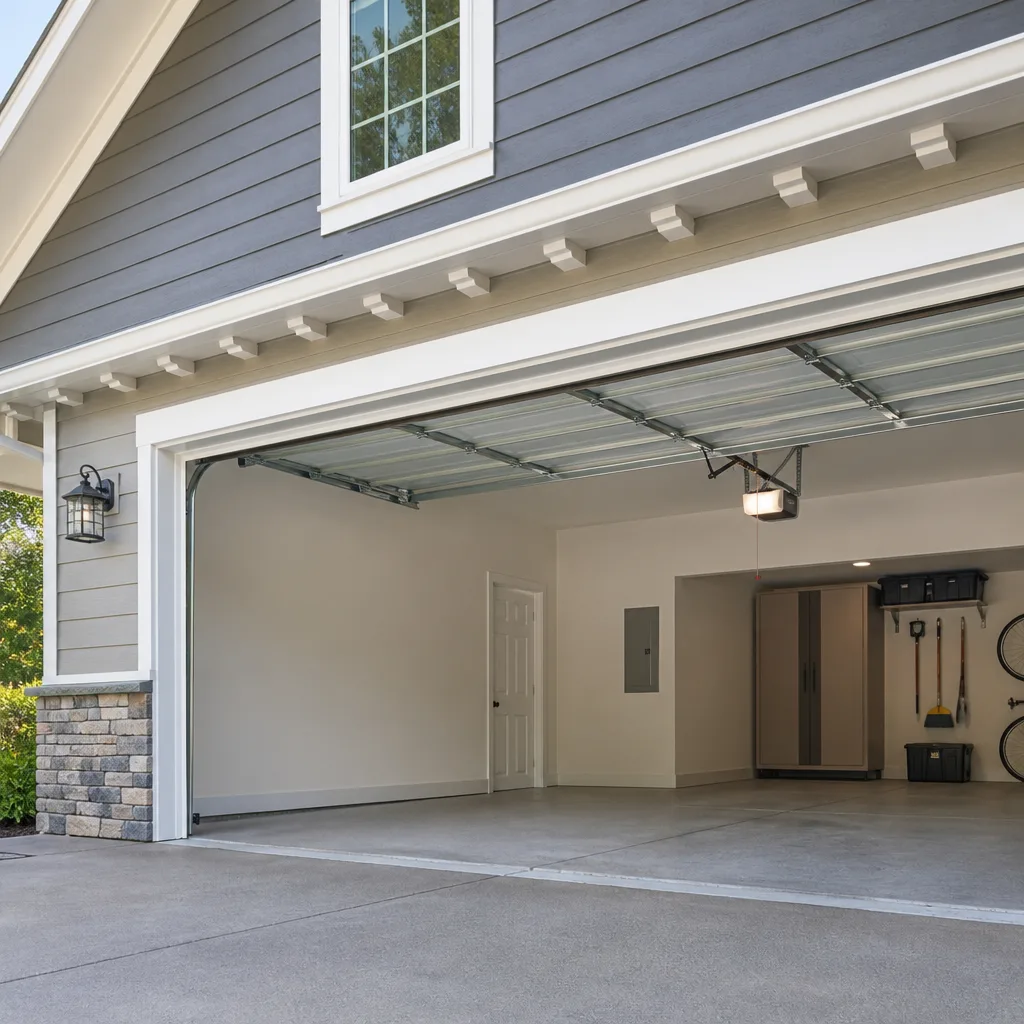 LiftMaster openers
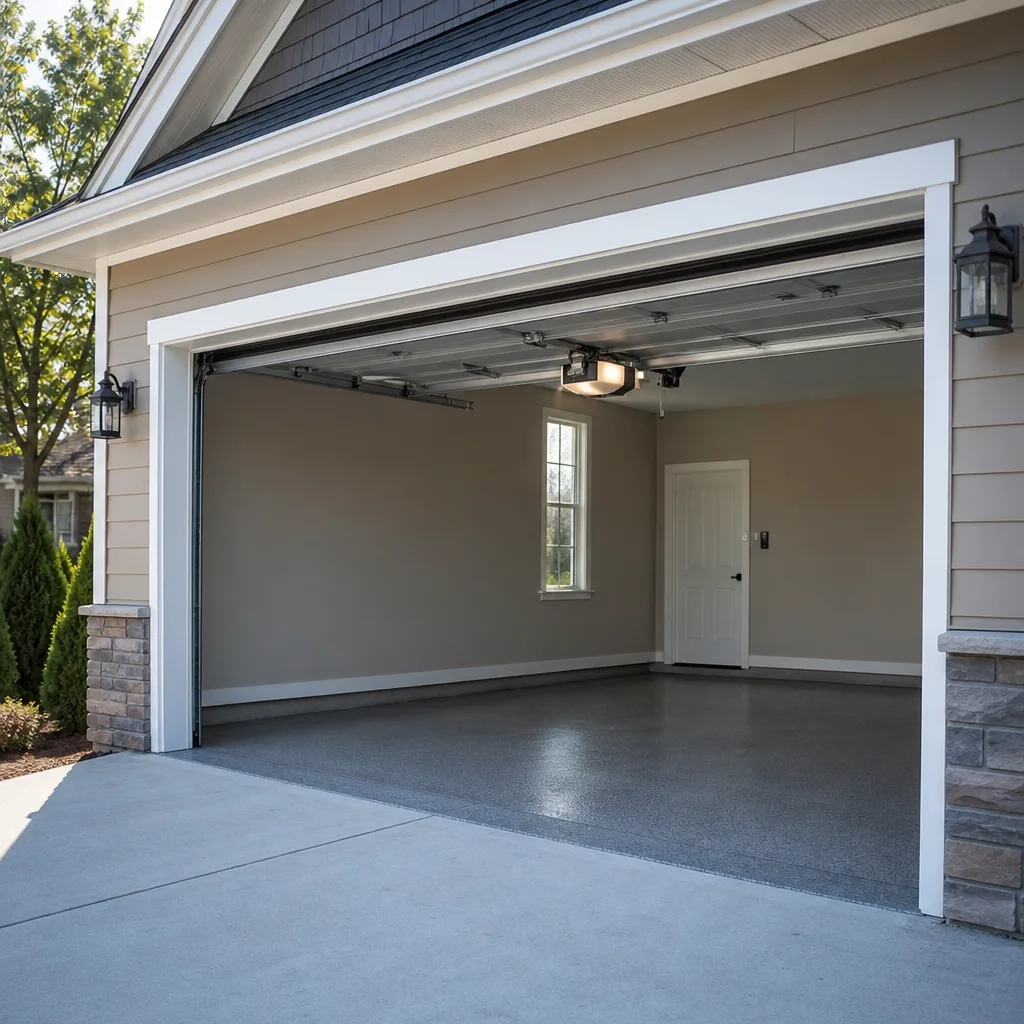 Chamberlain openers
Full 25-point door and opener safety check with every visit - springs, cables, rollers, tracks, and your LiftMaster or Chamberlain opener included
You get a price before we start. It does not change when the truck arrives.
Get your free estimateDIY vs Professional Garage Door: The Alhambra Homeowner’s Decision Guide
The biggest misconception in the garage door world is that DIY work is either impossible or universally dangerous. Both extremes are wrong. Some tasks, like lubricating a roller track, are easier than assembling flat-pack furniture. Others, like touching a torsion spring under load, can land a careful person in the emergency room. This guide draws the line precisely for Alhambra homeowners, separating legitimate afternoon projects from work that belongs in the hands of someone who does this every day.
Quick Answer
In Alhambra, garage door DIY is safe and sensible for low-tension tasks like lubrication, seal replacement, keypad reprogramming, and sensor realignment. High-tension components, specifically torsion springs and lift cables, carry genuine injury risk and should go to a professional. The dividing line is not your skill level. It’s the amount of stored mechanical energy in the part you’re about to touch.
Styles & brands we work with
- Raised-panel steel
- Carriage house
- Modern flush
- Full-view glass
- LiftMaster openers
- Chamberlain openers
Table of Contents
- The Energy Problem: Why Springs Are Different
- Task-by-Task: What’s Genuinely DIY-Safe
- Task-by-Task: What Requires a Professional
- Cost-Benefit Math: When a Service Call Actually Saves Money
- Tool Requirements: What You’ll Actually Need
- California Liability: How DIY Affects Your Insurance
- Common Mistakes to Avoid
- When to Call a Professional
The Energy Problem: Why Springs Are Different
A garage door weighs somewhere between 130 and 400 pounds depending on its size and material. The springs do the heavy lifting, not the opener motor. Torsion springs, the ones mounted horizontally above the closed door, are wound under tension. That tension stores mechanical energy. When a spring breaks, it releases that energy in a fraction of a second. A metal bar caught in the path moves with enough force to shatter bone. This is not a scare tactic. It’s physics, and it’s the reason we draw a hard line around spring work in Alhambra homes.
The distinction matters because some online tutorials blur it. A video that shows a spring replacement in ten minutes makes the job look like a puzzle, but the video rarely shows the part where the winding bar slips. On a torsion spring, that slip can flip the bar into your face or hands before you can react. Extension springs, the older type that stretch along the horizontal track, have their own failure mode: when the safety cable is missing and a spring snaps, the broken end can whip through the side of the garage. Alhambra’s housing stock includes both spring types, and we’ve serviced both in neighborhoods from the Midwick Tract to Emery Park.
The takeaway is not that garage doors are dangerous. It’s that the danger is concentrated in specific parts. Learn which parts hold energy, and the rest of the door becomes approachable.
Task-by-Task: What’s Genuinely DIY-Safe
The following jobs require no stored-energy contact. They’re the ones we tell Alhambra homeowners they can absolutely do themselves. Each one takes under an hour, uses tools you probably own or can borrow, and carries no meaningful risk of injury when done with basic attention.
Lubricating tracks, rollers, and hinges
This is the single highest-value DIY task on a garage door. Alhambra’s mild, dry climate means dust accumulation is the main enemy. Dry rollers grind against dry hinges, which strains the opener and shortens the life of everything attached to the door. A can of white lithium grease on the hinges and a silicone-based spray on the rollers restores smooth operation in fifteen minutes. Do not use WD-40 as a lubricant. It’s a solvent, not a lubricant, and it will strip whatever grease is left.
Replacing the bottom seal
The rubber strip along the bottom of the door degrades in the Southern California sun. When it cracks, you get a gap that lets in dust, leaves, and the occasional determined lizard. Replacement is a slide-out, slide-in job for most Clopay and Amarr doors. The old seal pulls out of the retainer channel, and the new one slides in. No tools beyond a utility knife and maybe a ladder. The part costs less than thirty dollars at any hardware store in Alhambra.
Realigning photo-eye sensors
The two sensors near the bottom of each track can get knocked out of alignment by a mower, a bike, or simply a door closing on a box. When misaligned, the opener refuses to close the door. Realignment is a matter of loosening the wing nut, pointing both sensors at each other until the indicator lights come on steady, and retightening. Five minutes, one screwdriver. It’s the most common false alarm we hear about on the phone.
Reprogramming a keypad or remote
Whether you have a Chamberlain, Genie, or Craftsman opener, keypad and remote programming follows a universal pattern: press the learn button on the motor head, enter the code, press the button again. Every homeowner’s manual has the exact sequence. If you need to reprogram, start with the manual. It’s quicker than a service call for something you’ll likely need to do again.
Key Takeaway: These four tasks share one trait: none of them requires you to touch a spring, a cable under load, or the opener’s internal gearing. That’s the whole test. If the part you’re working on is not under tension, you’re in DIY territory.
Task-by-Task: What Requires a Professional
The hard line runs through three components: torsion springs, extension springs, and lift cables. What makes them different is the stored energy described above. What makes them worse than they look is that the visible hardware gives no hint of the force inside. A broken spring looks inert. It is not.
Torsion spring replacement
These springs live above the door opening. A door that won’t lift, or that jumps sharply when you try, often has a snapped torsion spring. Replacing one requires unwinding the old spring (or the unbroken remains), installing the new one, and winding it to the correct number of quarter-turns. The winding bars are the dangerous part: if one slips, it becomes a projectile. We recommend leaving this to a technician who does it daily. It is the single garage door task where the cost of a mistake is measured in fingers.
Extension spring replacement
Older Alhambra homes, particularly in the streetcar-era neighborhoods south of Main Street, often have extension spring systems. These springs run along the horizontal track and stretch as the door closes. When one breaks and the safety cable is absent or failed, the broken end reacts violently. A professional replacement includes new safety cables run through both springs, which is the kind of detail a first-time DIYer misses.
Cable replacement
Lift cables attach to the bottom brackets and wind around the drums at the top. They are under the full tension of the spring system. If a cable is frayed or snapped, the remaining cable is about to fail. Cable replacement means entering the same tension system as spring work. It’s never a “replace this one part” job in isolation.
Track repair and replacement
Bent tracks require more than hammering. The track sections carry the door’s weight through its entire travel, and a poorly aligned track accelerates wear on every roller and hinge attached to it. If you see a visible bend or the door grinds at a specific point in its travel, call before you force the door down again.
Opener motor and gear replacement
Inside the opener, a plastic drive gear often fails before the motor does. Opening the motor housing exposes the circuit board and permanent-lubrication drivetrain. The gear swap itself is not a spring-level hazard, but reassembling the opener wrong leaves you with a door that reverses unexpectedly or won’t respond to the safety sensors. If you’re comfortable with small mechanical assembly, this one is borderline. If you’re not, call someone who is.
Cost-Benefit Math: When a Service Call Actually Saves Money
The DIY conversation is often framed as “free labor vs. paid labor.” That framing is wrong. DIY costs your time, your tool purchases, and the risk of doing the job twice. A professional costs a service call, but includes diagnosis, labor, and the warranty on the part. In Alhambra, the decision comes down to which column you’re actually buying from.
For the four DIY-safe tasks above, the math clearly favors doing it yourself. Lubrication supplies cost under twenty dollars. A bottom seal for a standard door is thirty dollars or less. If you call anyone, even the most honest technician in Alhambra, you’re paying a service-call minimum plus the part. That’s fifty to a hundred dollars for a job you’ll finish before lunch. Do it yourself.
For spring work, the math flips. A torsion spring typically costs between $50 and $80 as a raw part at a supplier, but you need two matched springs (a pair is standard practice, and replacing only one leaves the door unbalanced), plus winding bars if you don’t own them, plus the time to learn the process safely. If you install a spring with the wrong wind direction or torque count, the door runs uneven, which destroys rollers, hinges, and eventually the new spring itself. Paying for professional installation of a matched pair is cheaper than buying springs twice and replacing the parts a bad install destroys.
For cable work, the honest answer is that there is almost never a scenario where cable replacement is a DIY job. The entanglement with the spring system means you’re doing spring work whether you intend to or not.
Our garage door repair work in Alhambra is priced by written estimate before any work begins, so the final number is always known before the first tool comes off the truck.
Tool Requirements: What You’ll Actually Need
YouTube tutorials oversell tools because they monetize the links. For the DIY-safe tasks in this guide, here is the actual list:
For lubrication and seal replacement
- White lithium grease (spray or tube, either works)
- Silicone spray lubricant
- Utility knife with a fresh blade
- Stepladder tall enough to reach the door bottom without overextending
- Rags for cleaning old grease and dust
That’s it. You do not need a creeper, an impact wrench, or an air compressor. Anyone who tells you to buy a hundred-dollar gadget for a bottom seal is selling the gadget.
For sensor realignment and keypad programming
- Flathead screwdriver (for the wing nut)
- Phillips screwdriver (for sensor bracket screws)
- Your opener manual or a phone to find the PDF online
- A pencil to mark the original bracket position before moving anything
Mark the original position. That single habit saves more headaches than any tool on the list. When you move a bracket and the new position makes things worse, the pencil marks tell you where to return to.
For spring and cable work, the required tools are winding bars, a socket set, and more importantly, hours of supervised practice. The tool list is not the barrier. The training is. We work on LiftMaster, Chamberlain, Genie, Clopay, Amarr, Wayne Dalton, Craftsman, and Raynor systems every day, and part of that familiarity is knowing what a spring under tension sounds and feels like right before it does something unexpected.
California Liability: How DIY Affects Your Insurance
Here is the part most DIY guides in Alhambra skip. If you’re injured while working on your own garage door, your homeowner’s insurance typically covers your medical costs through the medical payments provision, regardless of fault. That coverage applies to you and to family members living in the home. So the concern most homeowners voice first, “what if I hurt myself and the insurance refuses to pay,” is largely unfounded for medical expenses.
The liability question is different. If a guest or a teenager helping you is injured on your property, your homeowner’s liability coverage generally responds, but the insurer may examine whether the work was done negligently. A spring installed by an unlicensed homeowner that later fails and injures someone creates a much messier claims situation than a spring installed by a licensed contractor with a paper trail. The insurer’s subrogation attorneys are not kind to do-it-yourself spring work in a liability claim.
There’s also the permit question. Most cities in Los Angeles County, including Alhambra, treat garage door replacement as a permit-required project when it involves structural changes. A spring replacement on an existing door usually falls outside that. If you’re not sure whether your project requires a permit, ask the city’s building department. It’s a phone call, and the answer is free.
If you’re doing the DIY-safe tasks, insurance simply doesn’t enter the picture. Lubricating a roller doesn’t show up on anyone’s actuarial table.
Common Mistakes to Avoid
- Lubricating the wrong parts. Spraying lube on the track itself attracts dust and makes the problem worse over a full Alhambra summer. Grease the hinges and rollers. Keep the track clean and dry.
- Using WD-40 as a lubricant. It’s a solvent. It strips grease. Daily use of a door cleaned with WD-40 accelerates wear on every pivot point.
- Forcing a door that won’t open. If the door resists and you yank harder, you’re not opening it. You’re bending something. Stop, disconnect the opener, and assess.
- Replacing one spring only. On a paired spring system, leaving the old spring means uneven lift force. The new spring carries more load, wears faster, and fails sooner. Replace the pair.
- Treating a snapped cable as a standalone repair. The cable didn’t fail in isolation. Something in the spring or drum system caused it. Replacing the cable without addressing the cause means doing the job again.
- Ignoring a slow-change indicator. A door that’s gotten gradually slower, noisier, or shakier is telling you something. Early repair is cheaper than a full garage door opener repair or door panel replacement later.
- Skipping the manual. Your specific opener’s learn button sequence is in the manual. Guessing through YouTube videos wastes more time than reading three pages of the document you already own.
When to Call a Professional
Call when you hear a loud snap and the door won’t move. Call when a cable is frayed, when the door hangs crooked in the opening, or when the spring is visibly broken. Call when the door reverses on the way down for no reason. These are not educational moments, they’re repair moments, and the longer they wait the more they cost. We answer the phone 24/7 and send our own technicians, never a subcontractor, from our Alhambra service area. If it’s a repair, we get to it as fast as the schedule allows. If it’s an installation, we measure first, price in writing, and order the right door with no guesswork.
Garage Door Service Alhambra offers free estimates in Alhambra – call (833) 620-4887. We answer 24/7. Fast dispatch from 7am to 7pm, Sunday through Friday. We’re closed Saturday so our crew can rest, and each job is scheduled into the week accordingly.
See the difference
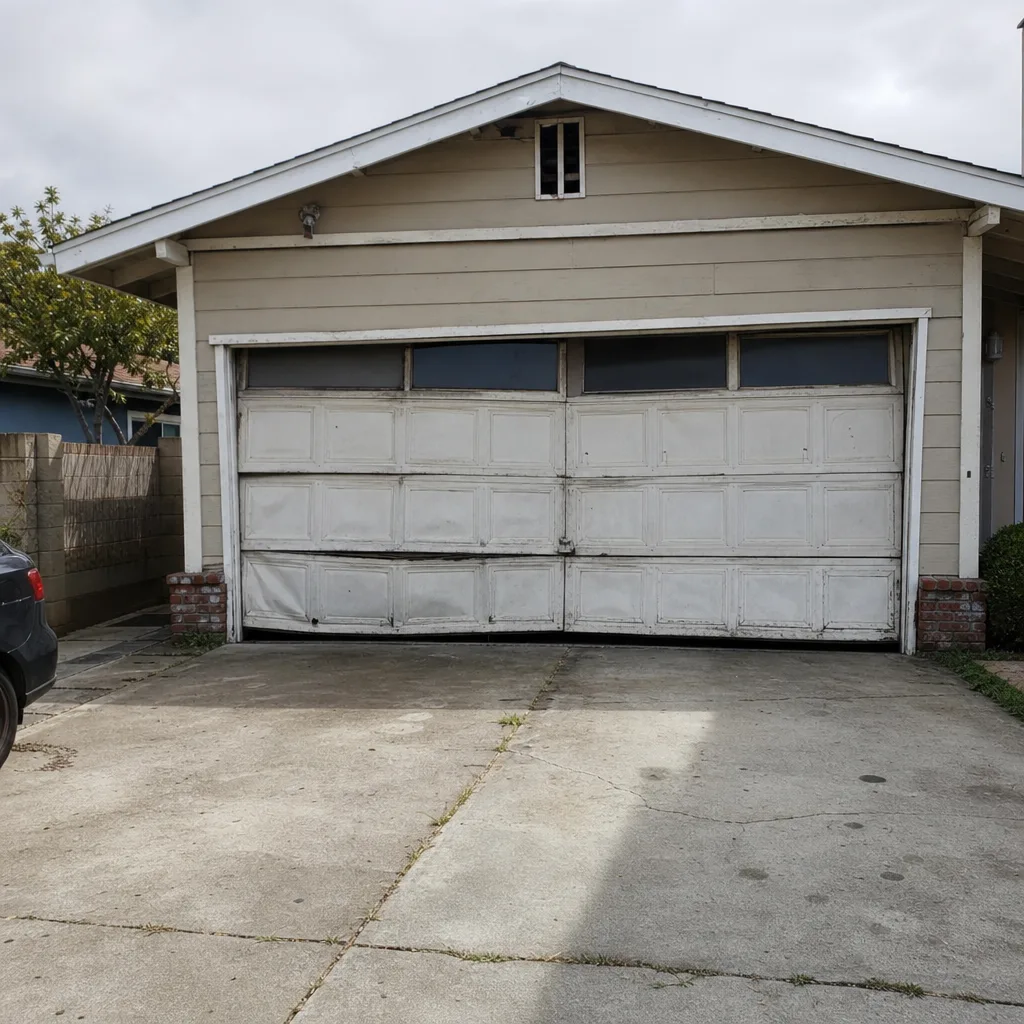 Before
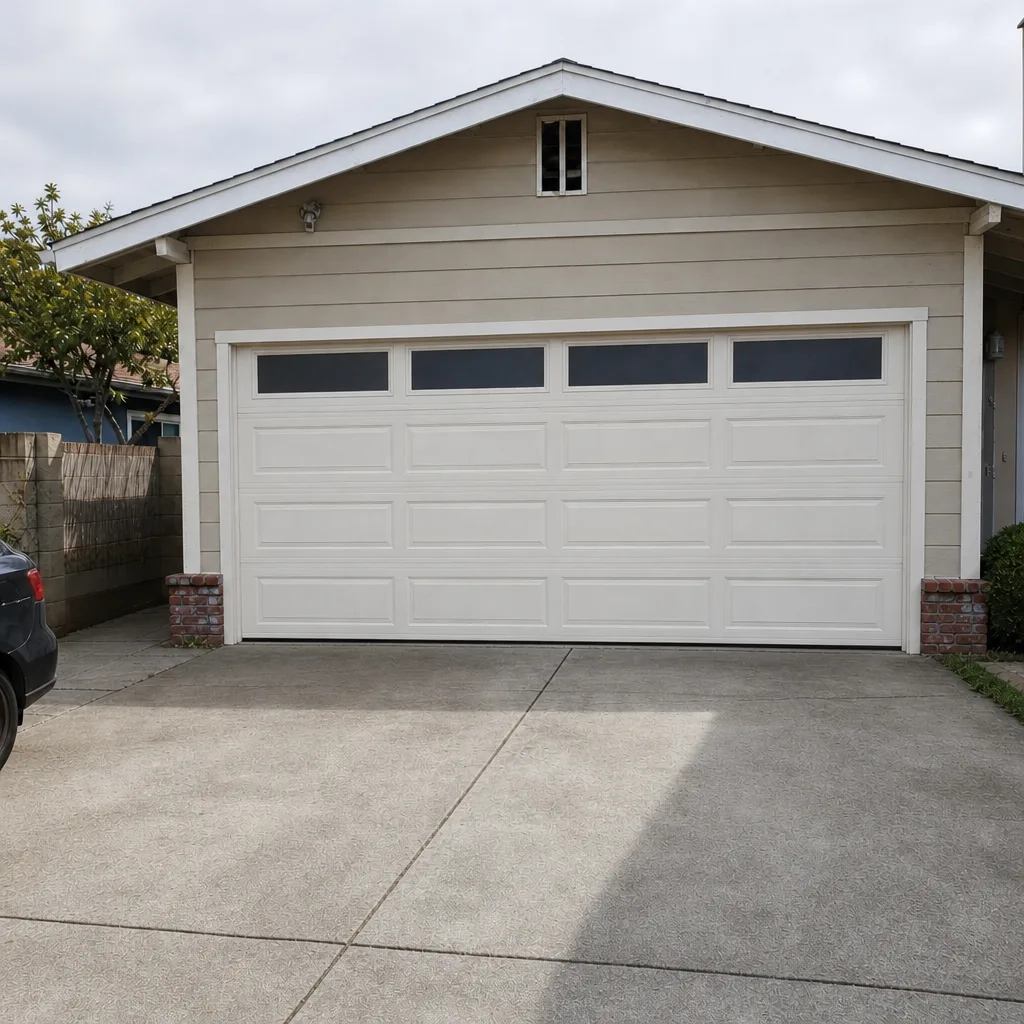 After
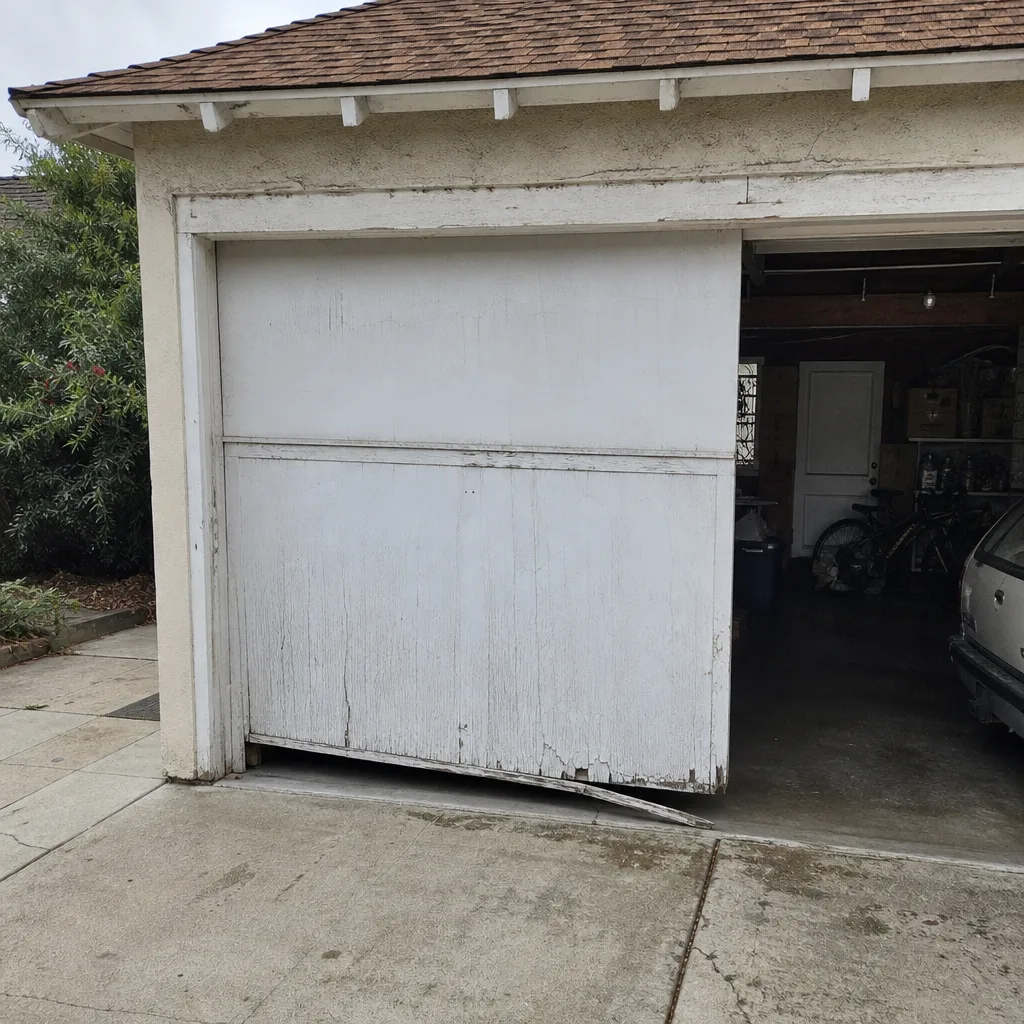 Before
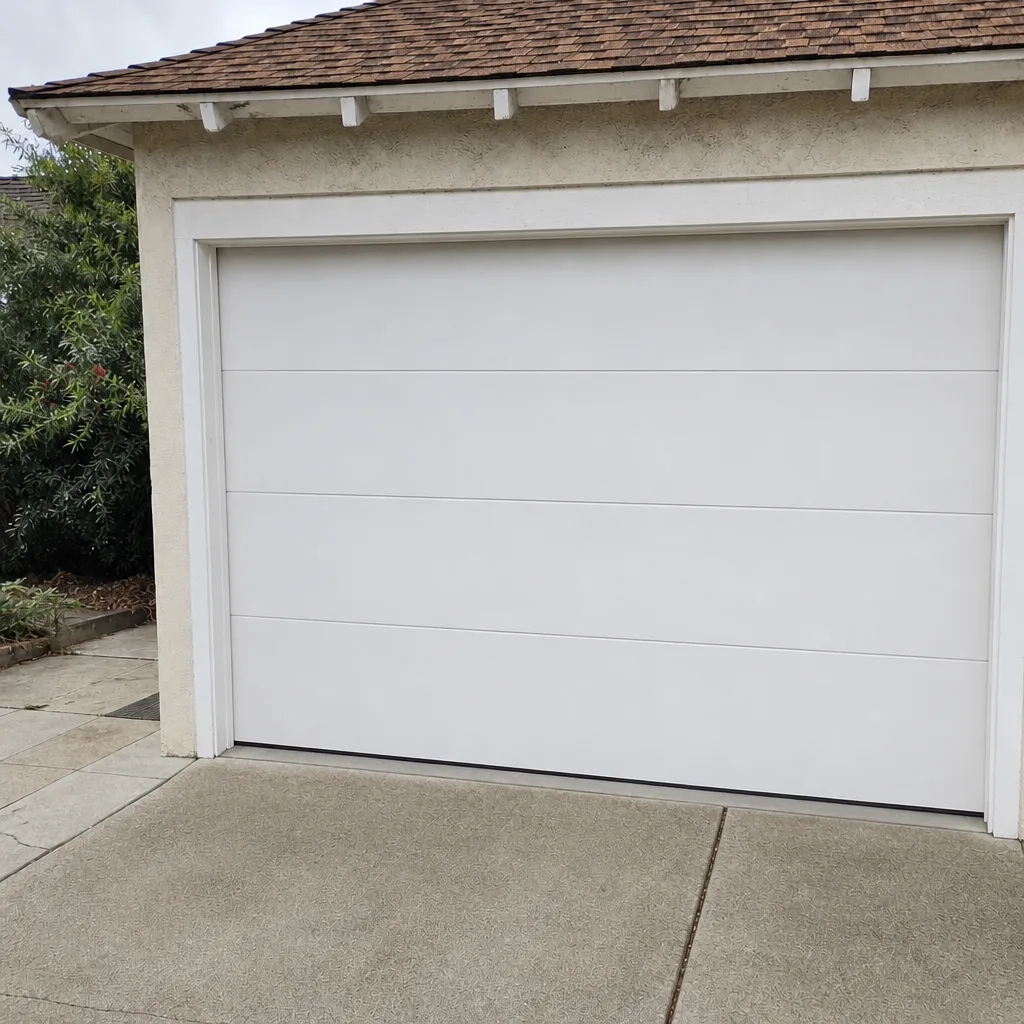 After
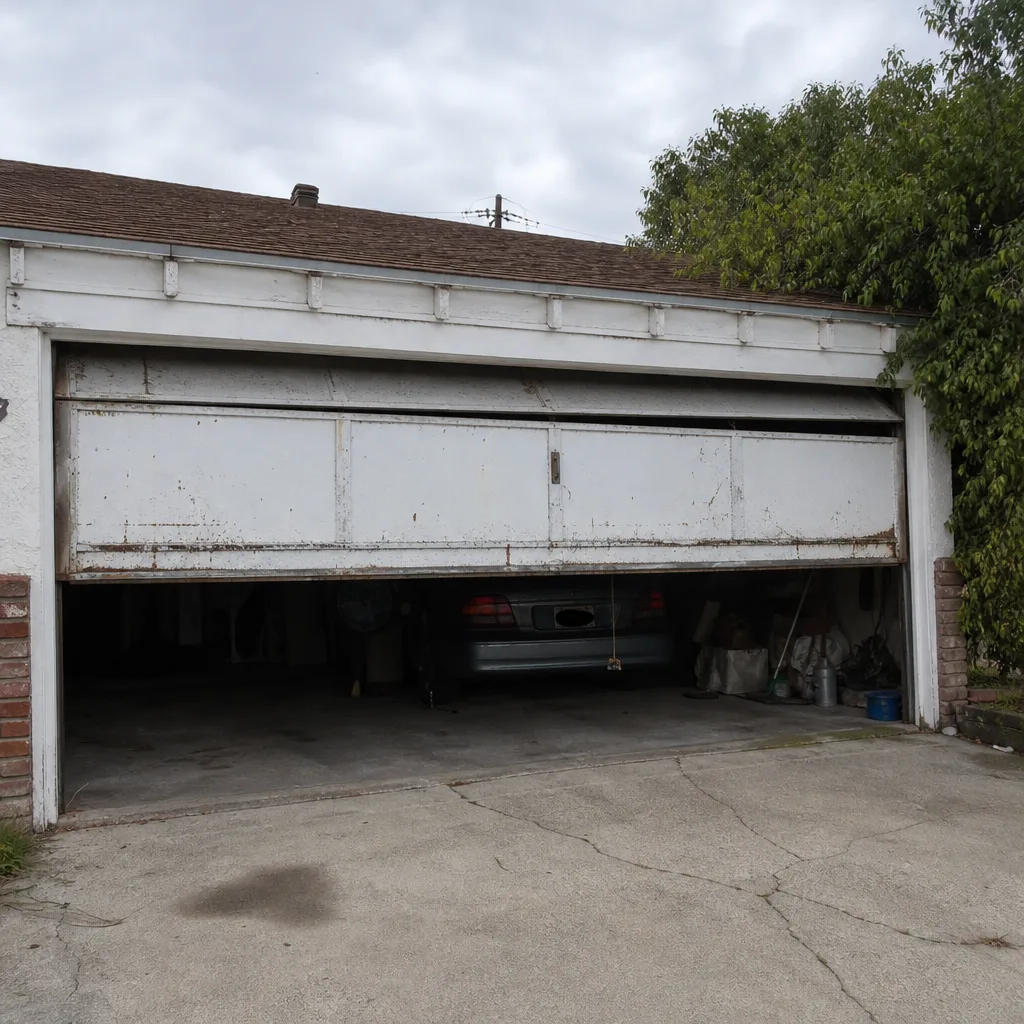 Before
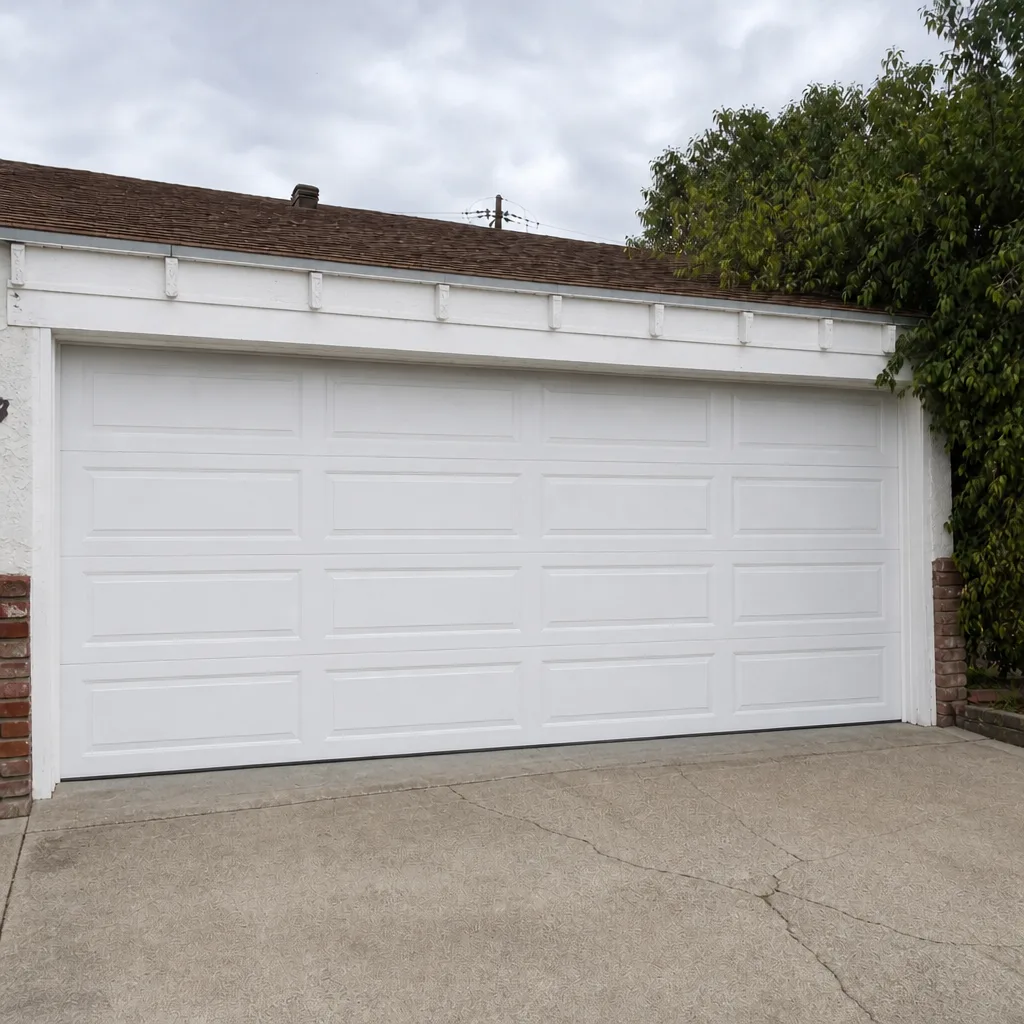 After
Frequently Asked Questions
Yes. Torsion springs hold hundreds of pounds of tension even when the door is up, and that energy releases instantly when something slips. This is the one garage door task we never recommend for a first-time DIYer, regardless of experience with other home projects.
A matched torsion spring pair typically costs between $180 and $340 installed in Alhambra, depending on the door weight and spring size. The written estimate sets the final price before work starts. Call (833) 620-4887 and we’ll give you an exact number.
You can, if you’re comfortable with basic electrical and have patience for the rail assembly. The opener itself plugs into a 120V outlet, so the hazard is lower than spring work. But the safety sensor alignment and force settings must be correct, or the door becomes a hazard to kids and pets. If you’re uncertain, it’s a job we do regularly.
Replacing the bottom seal. The old seal slides out of its retainer, and the new one slides in. It requires no spring contact, no electrical work, and no special tools. A utility knife and ten minutes is all it takes.
Usually a spring issue, a bent track, or an opener limit setting that’s drifted. If the door opens a foot or two and stops while the motor still runs, the balance is off. That points to a spring. If it stops cleanly, the limit screws on the opener may need a small adjustment.
No. We price from the written estimate agreed before work starts. If the job reveals something unexpected, we stop and explain what changed and what the new number is. No one works until we’ve agreed. Call (833) 620-4887 for a free estimate, and we’ll be straight with you from the beginning.
The Bottom Line
The DIY vs. professional question for garage doors is simpler than most Alhambra homeowners expect. If the part you’re touching is a seal, a sensor, a hinge, or a keypad, you can do it this weekend with basic tools. If the part you’re touching is a spring or a cable, that’s where the real risk lives, and the money you’d save is not worth the downside. We work on the brand you already have, diagnose fast, and give you an honest recommendation based on what the system actually needs. That’s the whole job.
Written by the team at Garage Door Service Alhambra, serving Alhambra since 2015. Garage Door Service Alhambra is the local specialist for repair, opener repair, and installation across all major brands.