
Last updated November 4, 2026
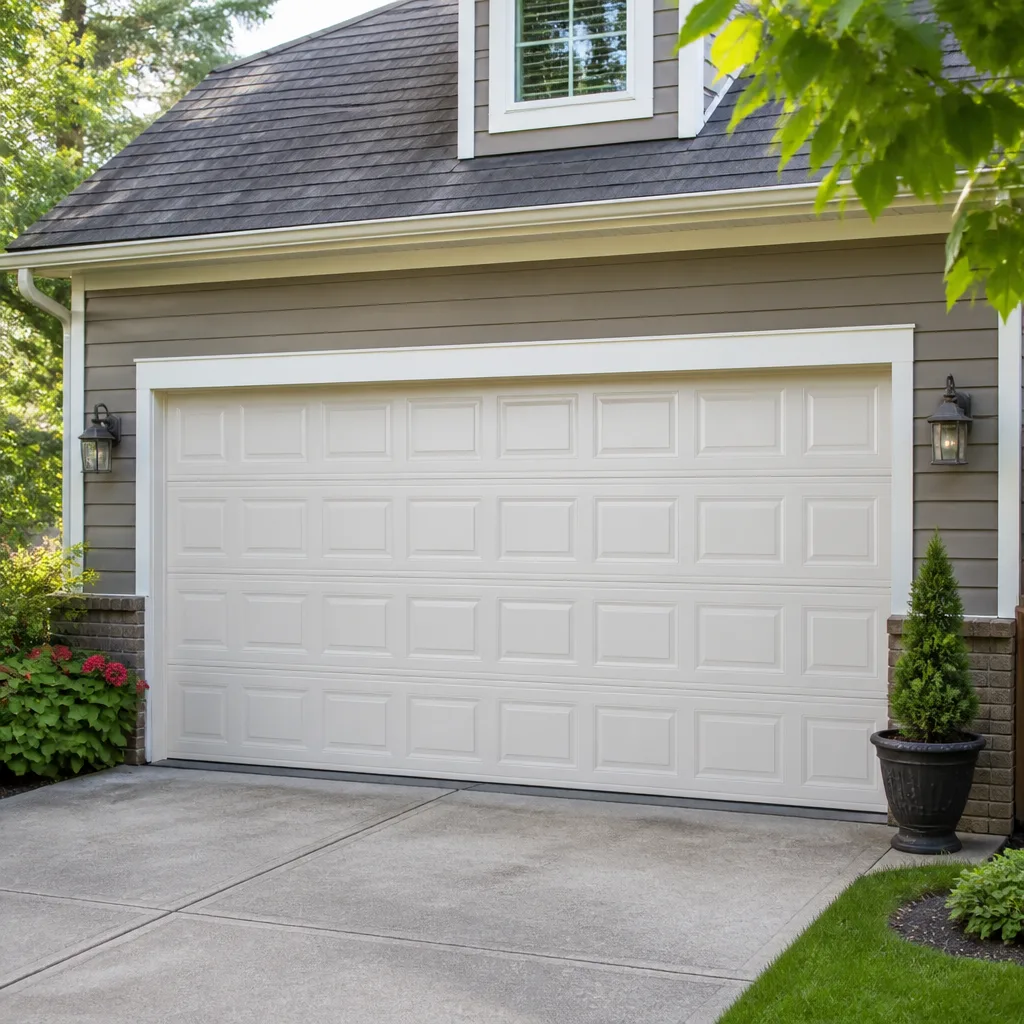 Raised-panel steel
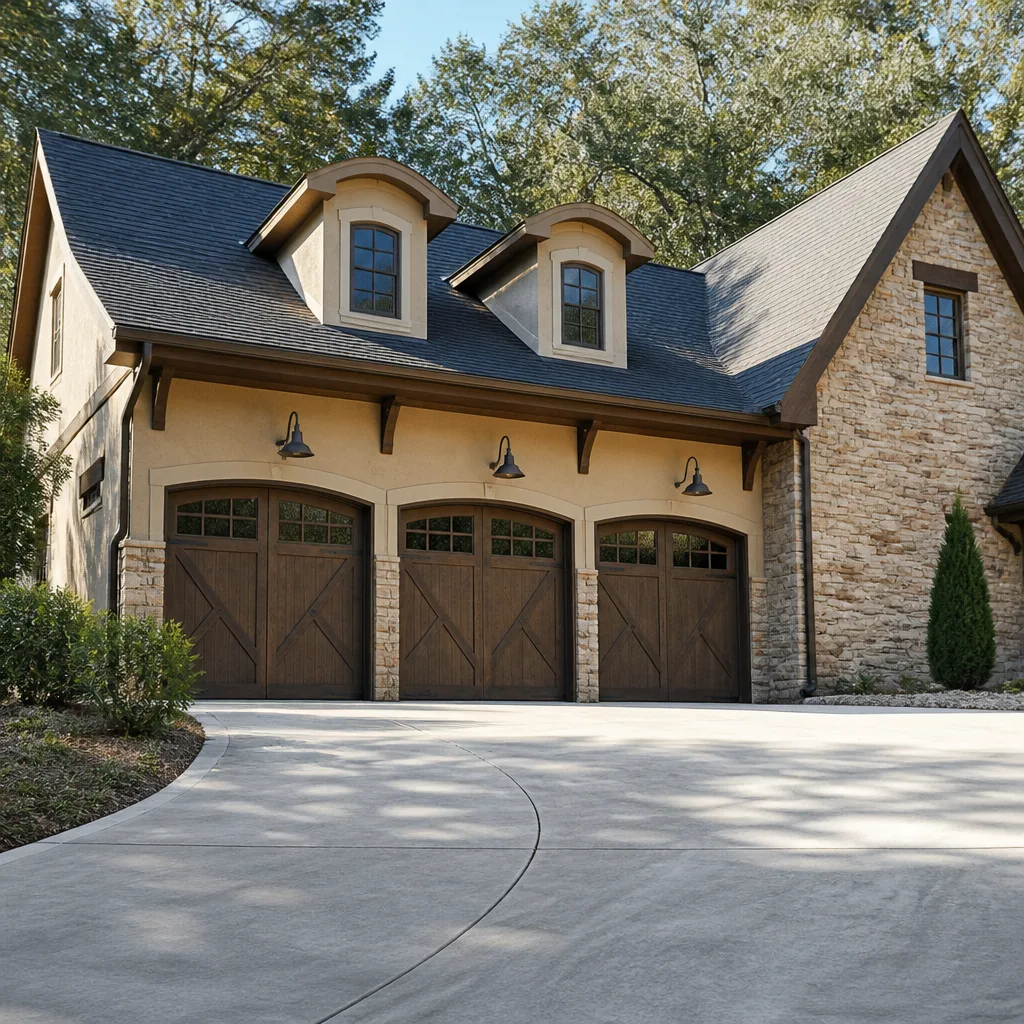 Carriage house
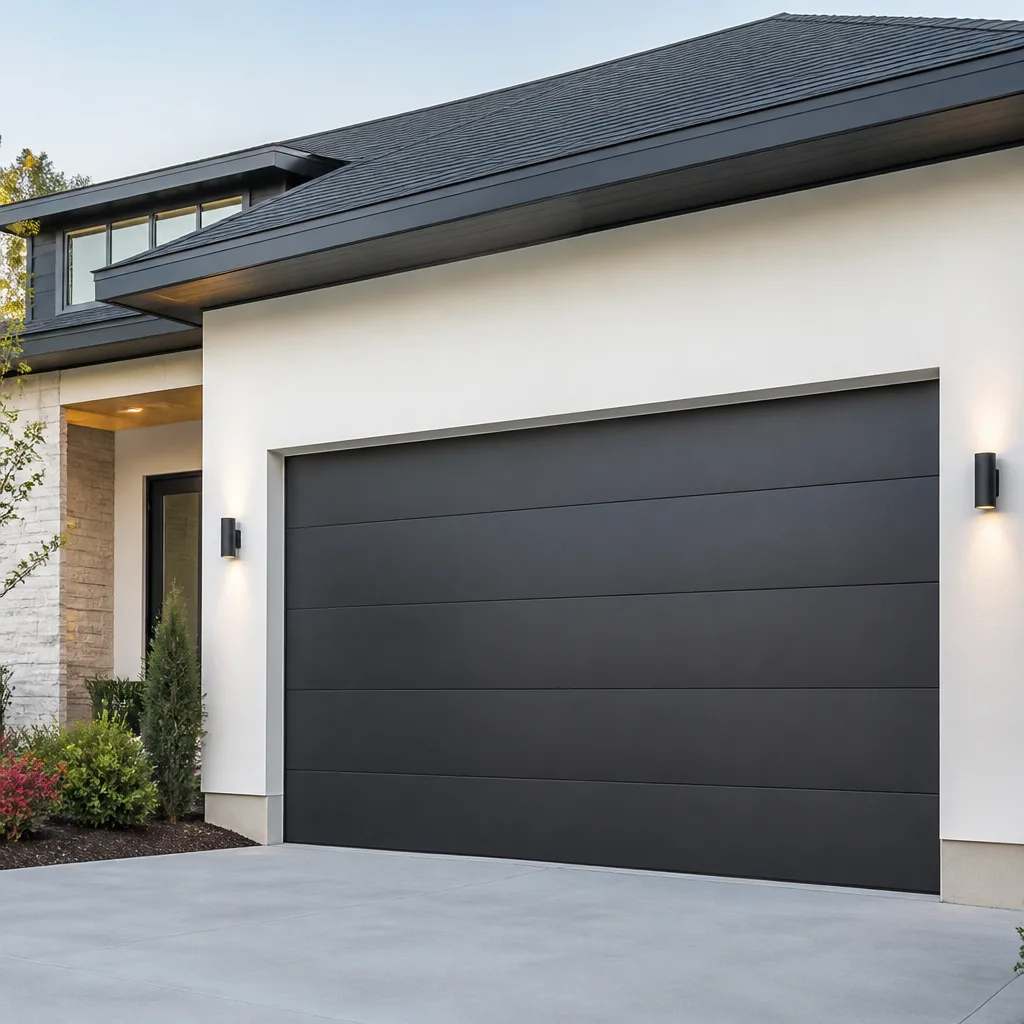 Modern flush
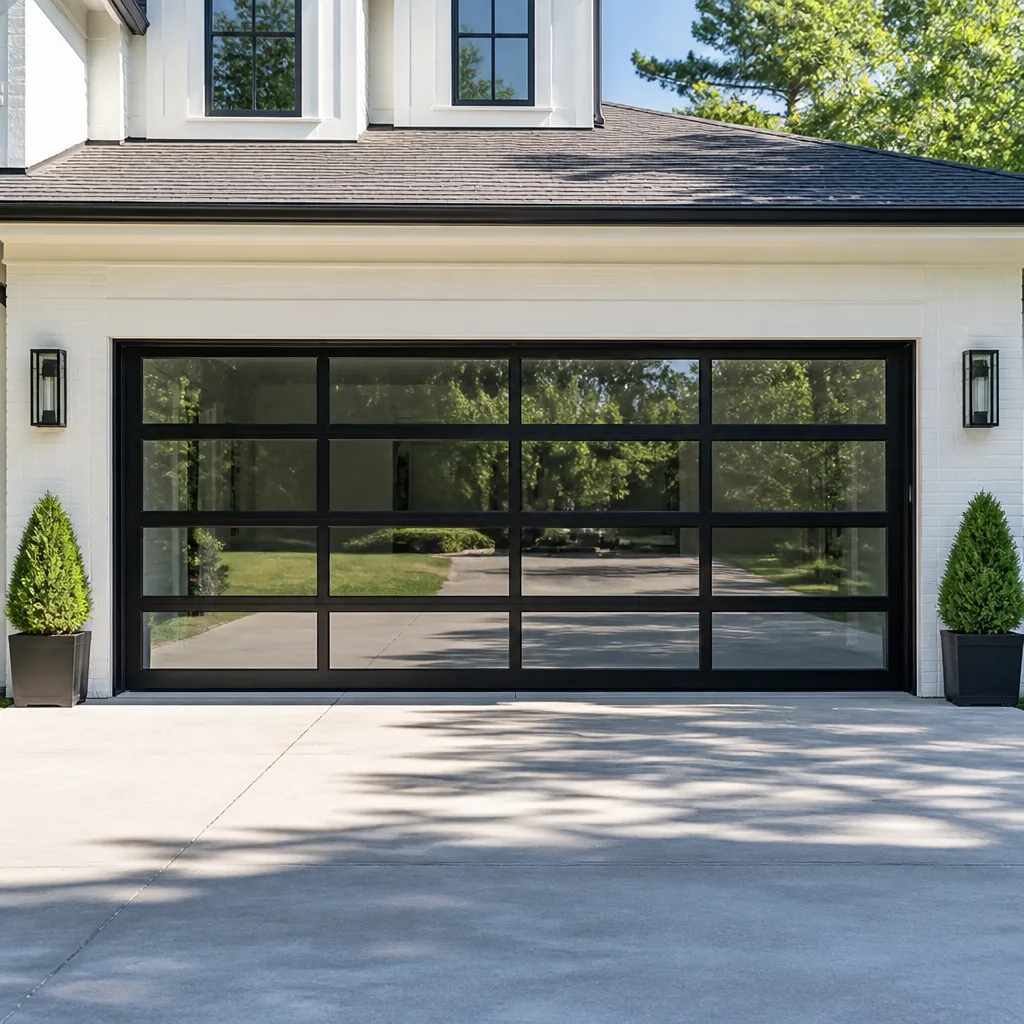 Full-view glass
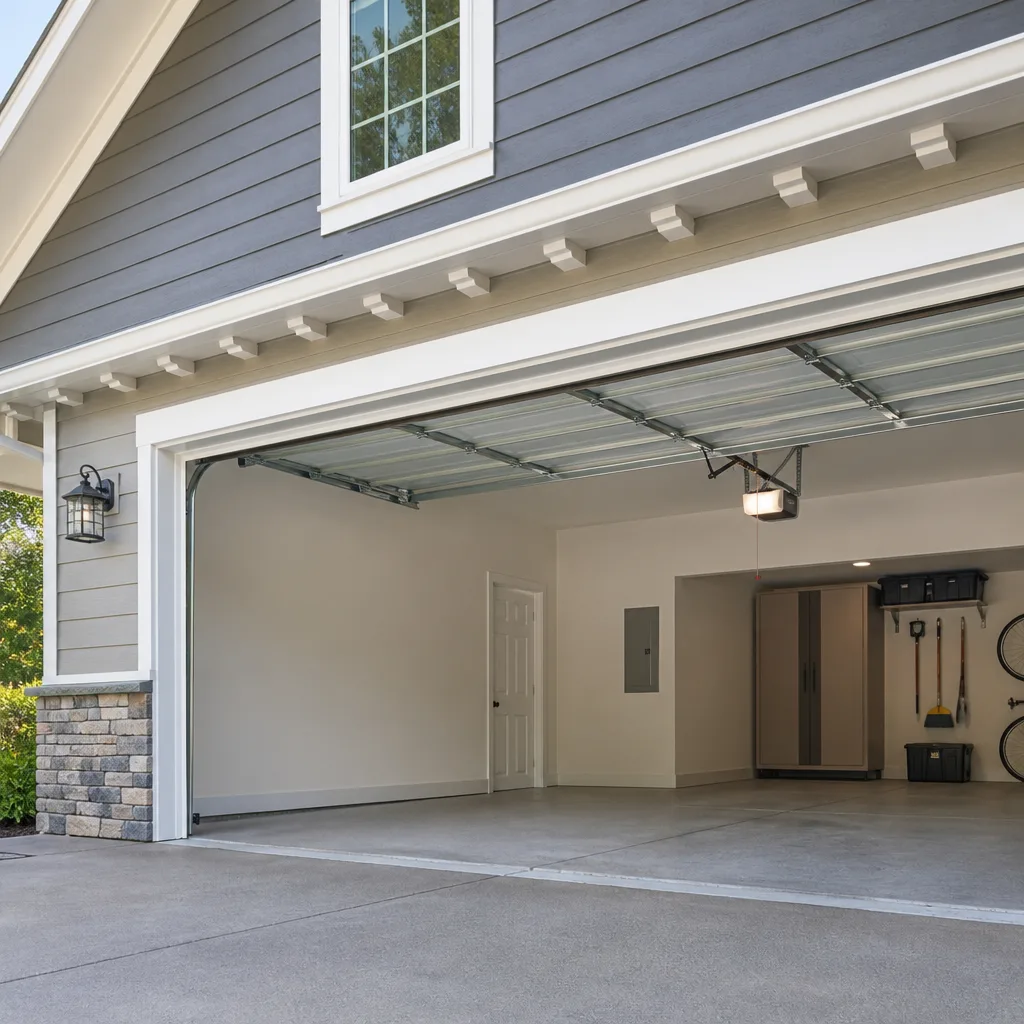 LiftMaster openers
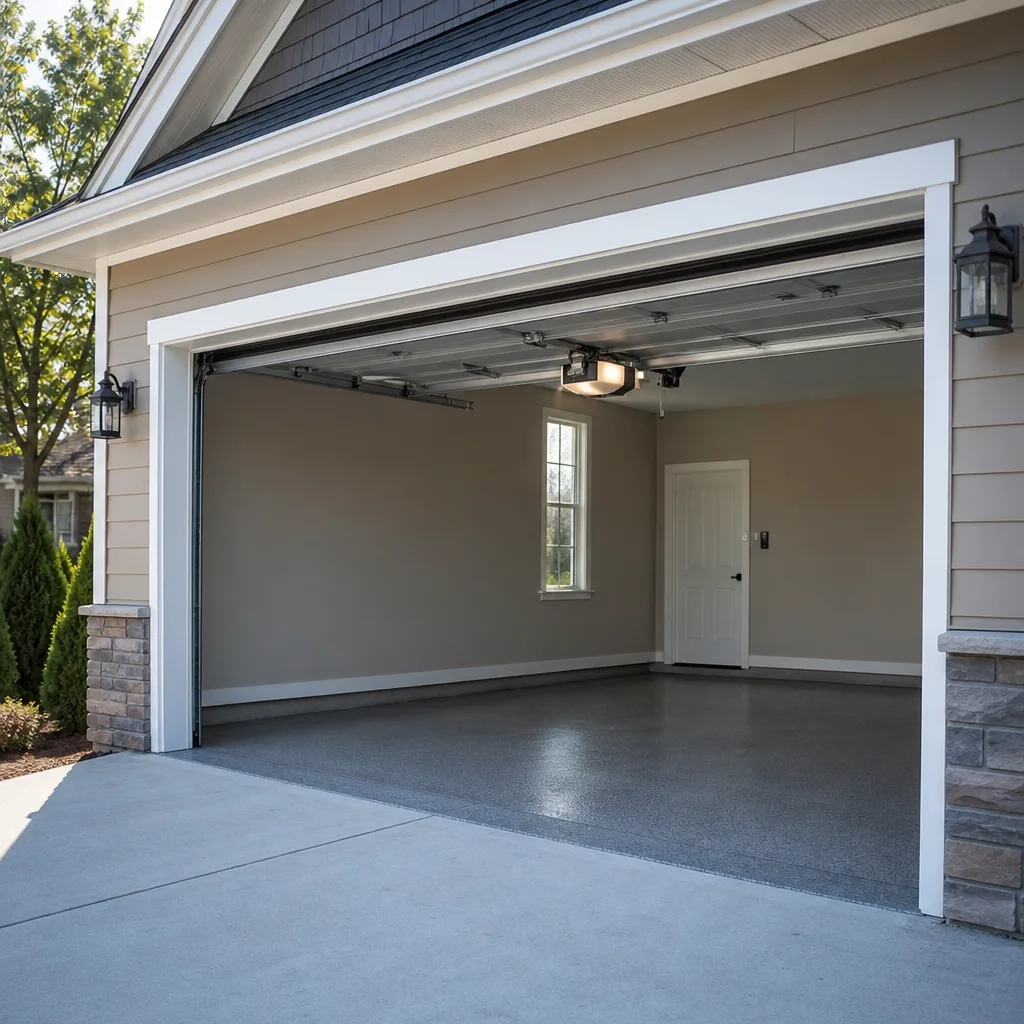 Chamberlain openers
Full 25-point door and opener safety check with every visit - springs, cables, rollers, tracks, and your LiftMaster or Chamberlain opener included
You get a price before we start. It does not change when the truck arrives.
Get your free estimateGarage Door Permits, Codes & Inspections in Alhambra, CA: What You Need to Know
Most homeowners in Alhambra assume a garage door swap is a simple, permit-free Saturday project. That’s true for replacing a panel or a spring. It’s not true the moment the job touches the opening itself. A new door that requires reframing the header, widening the rough opening, or adding shear wall nailing crosses into building-permit territory, and that line gets crossed more often than people expect on older Alhambra homes where framing has settled or was never square to begin with. This guide explains where the permit line sits, which codes actually apply in Alhambra, how inspections work, and what happens if the work never gets permitted.
Styles & brands we work with
- Raised-panel steel
- Carriage house
- Modern flush
- Full-view glass
- LiftMaster openers
- Chamberlain openers
Quick Answer
A like-for-like garage door replacement in Alhambra typically does not require a permit. A project that changes the structural opening, replaces the header, or modifies the wall framing does require a building permit from the City of Alhambra Building & Safety division. New automatic openers must meet UL 325 safety standards, and any installation should be inspected for proper photo-eye and auto-reverse function.
Table of Contents
- When a Garage Door Permit Is Required in Alhambra
- How Alhambra’s Municipal Code Treats Garage Doors
- California Title 24 and Insulated Garage Doors
- UL 325 Compliance for Garage Door Openers
- The Insurance Angle: Unpermitted Work and Claims
- Alhambra’s Permit Application Process, Step by Step
- What Inspectors Look For
- Common Mistakes to Avoid
- When to Call a Professional
- Frequently Asked Questions
- The Bottom Line
When a Garage Door Permit Is Required in Alhambra
The permit question comes down to one thing: are you changing the door, or are you changing the opening? The City of Alhambra, like most California municipalities, draws a clear line between cosmetic replacement and structural alteration. Here’s how that line plays out in practice.
A permit is generally not required when:
- You replace an existing garage door with a new door of the same size in the same opening.
- You swap a damaged panel or section on an existing door.
- You replace a torsion or extension spring, cables, rollers, hinges, or weatherstripping.
- You install a new garage door opener on an existing door without altering the structure.
- You replace the door with a different material or insulation level while keeping the same rough opening dimensions.
A permit is generally required when:
- The rough opening gets widened, raised, or otherwise resized to fit a different door configuration.
- The header above the opening is replaced, reinforced, or relocated.
- Wall framing around the opening is modified, including adding new king studs, jack studs, or shear-wall nailing.
- The project changes from a single-wide door to a double-wide door, or vice versa.
- Structural repairs address termite damage, rot, or earthquake retrofitting at the garage wall.
Alhambra’s housing stock skews older. A significant portion of homes were built between the 1920s and 1960s, and garage openings from that era were often framed for narrower doors or built with undersized headers by today’s standards. When a homeowner wants a modern double-wide door on a 1940s bungalow, the opening usually needs reframing, and reframing means a permit. We’ve seen enough of these jobs to tell you that the framing correction is often the real scope of work, not the door itself. If you are uncertain whether your project crosses the line, call Alhambra’s Building & Safety division and describe the scope. A phone call costs nothing and prevents a much larger problem later.
How Alhambra’s Municipal Code Treats Garage Doors
Alhambra adopts the California Building Code (CBC) with local amendments. The CBC governs structural requirements for garage door openings, including header sizing, lateral bracing, and anchoring. Alhambra’s amendments, published in the city’s municipal code, include specific requirements for residential garage conversions and door replacements that touch the building envelope.
The relevant code sections cover three main areas:
- Structural framing. Any modified opening must meet current CBC requirements for header span, stud spacing, and hold-down hardware. A garage wall is an exterior shear wall, and changes to it can affect the home’s seismic performance. Alhambra sits in a seismically active region, and Building & Safety takes lateral load requirements seriously.
- Fire separation. A garage attached to the home must maintain fire-rated separation between the garage and living space. This includes the door between the house and garage, but also applies to how the garage door assembly integrates with the wall. A permit inspection verifies that any wall work does not compromise this separation.
- Anchoring and wind resistance. Garage doors are large, relatively light surfaces that catch wind. California code requires proper anchoring of the track system to the framing. When a new opening is created or modified, inspectors verify that the track mounting points are structurally sound.
- If your Alhambra garage is unconditioned and the door is a standard replacement, Title 24 rarely imposes any requirement beyond what the manufacturer already provides.
- If you are installing a door on a conditioned garage, ask the contractor whether the door’s R-value matters for Title 24 compliance. The building department can confirm the applicable standard.
- Insulated doors from brands like Clopay, Amarr, and Wayne Dalton are available in a range of R-values, and choosing the right one is a decision best made with the permit requirements in mind, not just comfort.
- Photo eyes. A pair of sensors mounted no higher than six inches above the garage floor, on either side of the opening. If anything breaks the beam while the door is closing, the door reverses.
- Auto-reverse on contact. If the closing door touches an object or person, the opener must reverse direction within a fraction of a second.
- Force monitoring. The opener must detect excessive closing force and reverse, independent of the photo eyes.
- Manual release. A clearly marked manual release cord allows the door to be opened by hand during a power outage.
- Deny the specific claim related to the unpermitted work.
- Reduce the payout by the estimated cost of bringing the work into compliance.
- Cancel the policy for material misrepresentation, if the unpermitted work was not disclosed at underwriting or renewal.
- Confirm the scope. Verify with Building & Safety that your project is not permit-exempt. A quick phone call or counter visit is enough. Bring photos of the existing opening and a description of what you plan to change.
- Prepare plans. For structural work, you will need drawings showing the existing and proposed framing, header size, and opening dimensions. A contractor typically prepares these. Alhambra may accept a simple sketch for a small resizing job, but anything involving header replacement needs a more formal drawing set.
- Submit the application. File the application, plans, and any required fees with Alhambra Building & Safety. The city will assign a plan review. Simple residential permits can get review within a few business weeks, though timing varies with department workload and project complexity.
- Receive the permit. Once approved, Building & Safety issues the permit. The permit card must be posted on the job site for the duration of the work.
- Complete the work. The door is installed, the framing is completed, and the opener is wired according to the approved plans.
- Schedule inspections. Structural work requires an inspection before the framing is covered. Depending on the scope, you may need a rough inspection (framing, header, anchoring) and a final inspection (door operation, UL 325 compliance, fire separation).
- Receive final sign-off. The inspector approves the work, the permit is closed, and you keep the final sign-off for your records and for any future insurance questions.
- Header and framing. The header must be correctly sized for the span, properly supported at each end, and adequately connected to the surrounding wall framing. This is the highest-stakes part of the inspection because it carries the load from above.
- Anchoring and track mounting. The vertical and horizontal track must be securely fastened to the wall and ceiling framing at the correct spacing. Loose or undersized anchoring is a common issue on older Alhambra garages.
- Fire separation. If the garage is attached, the inspector checks that any wall work preserves the fire-rated separation between the garage and the home’s living areas.
- Opener safety systems. The inspector blocks the photo-eye beam and confirms the door reverses. They place an object in the door’s path and confirm auto-reverse functions. They check the manual release cord.
- General operation. The door should travel smoothly, sit level when closed, and balance properly. An unbalanced door is a safety issue and can fail the inspection.
- Assuming every door replacement is permit-exempt. A like-for-like swap is exempt. A door that changes the opening size is not. Guessing wrong puts you in the position of explaining to an inspector, or an insurance adjuster, why the work never got permitted.
- Widening a garage opening without touching the header. Some homeowners enlarge an opening by cutting the jacks and moving them outward, without checking whether the existing header now spans more than it is rated for. The header is the load-bearing element, and a wider span needs a bigger or deeper header.
- Reusing old opener safety hardware with a new door. A new door with an old, non-UL-325-compliant opener leaves the safety system incomplete. If the opener predates the early 1990s, replace it rather than reusing it.
- Covering the framing before the rough inspection. A homeowner who drywalls over a new header before the inspector sees it will be asked to open the wall back up. The rough inspection happens before the finishes.
- Skipping the permit to save a few hundred dollars. The permit fee is a minor line item on a structural job. The risk of an insurance denial or a disclosure problem at resale is not.
- Not asking the city before starting. Whose job is it to know whether the project needs a permit? The homeowner’s, ultimately. A contractor who says “we never pull permits for these” is making a decision that stays with you long after the door is installed.
Alhambra’s Building & Safety division is the authority to ask for the exact code sections that apply to your project. We can tell you what we typically see on the job: inspectors focus on the header, the corner bracing, and the fire separation details. They are not as concerned with the door panel itself, because the panel does not hold the house up.
For a broader look at how this fits into the services we handle around the city, see our page on Garage Door Service Alhambra.
California Title 24 and Insulated Garage Doors
California’s Title 24 energy code applies to garage doors in specific circumstances. Title 24, Part 6, sets energy efficiency standards for building components. For most garage doors on unconditioned garages, Title 24 requirements are minimal. The garage is treated as outside the building’s conditioned envelope, so the door’s insulation value is not regulated.
The picture changes for attached garages that are conditioned, or that share more than one wall with conditioned living space. In those cases, the garage door can be considered part of the thermal boundary, and Title 24 may require minimum insulation values. This is more common in newer Alhambra construction and in homes where the garage has been partially finished or converted for use as a workshop, gym, or home office.
What does this mean practically?
For homeowners going through a permit for a garage conversion, the door often gets flagged during plan review. The plan checker will ask for the door’s spec sheet, including insulation data. If you are working with a contractor who knows this ahead of time, the permit process goes more smoothly.
UL 325 Compliance for Garage Door Openers
UL 325 is the safety standard that governs automatic gate and garage door operators. It is not a California-specific code; it is a national safety standard that California adopts by reference through the building code. Any new opener installed in Alhambra, whether as part of a permit project or not, should be UL 325 compliant.
UL 325 compliance means the opener includes specific safety mechanisms:
For installations that require a permit, the inspector verifies UL 325 compliance visually and functionally. They will test the photo eyes by blocking the beam, and they will test the auto-reverse by placing an object in the door’s path. This is a routine part of the final inspection, and any opener installed by a competent technician will pass without issue. Older openers from the pre-1993 era, before UL 325 took effect, lack these protections and should be replaced. If your Craftsman opener dates from that period, it has outlived its safety margin, not just its convenience.
The Insurance Angle: Unpermitted Work and Claims
This is the part most Alhambra homeowners never hear about until it is too late. A garage door that was installed without a required permit can complicate a homeowner’s insurance claim if the door causes property damage or injury.
Insurance policies typically require that modifications to the home be completed in accordance with local building codes and permit requirements. When a claim is filed and the adjuster discovers that unpermitted work contributed to the loss, the insurer can:
The scenario that matters here: a garage door falls because the header was structurally inadequate or the track anchoring failed. The door damages a car, or worse, injures someone. The insurance company investigates. They ask for the permit paperwork. If the structural work was never permitted, the claim can be denied even though the homeowner paid premiums for years.
This is not a reason to panic about every door replacement. Like-for-like swaps without structural changes do not require a permit, and the insurance angle is not relevant to them. It matters when a homeowner skips the permit on a reframing job or a widened opening. The savings from skipping the permit are small compared to the coverage gap that can open up later. If you are not sure whether your project needed a permit, Alhambra Building & Safety will tell you. You can also call a contractor who works in the city every week and knows the thresholds. Our team at garage door repair in Alhambra regularly answers this question before any work begins.
Alhambra’s Permit Application Process, Step by Step
If your project does require a permit, the process in Alhambra follows a standard sequence. Here is how a homeowner files.
Homeowners can file their own permits in Alhambra, but most choose to have the contractor handle the submittal and inspection coordination. The key point is that the permit gets pulled before the work starts, not after, and the inspection gets scheduled before any framing is covered with drywall or trim.
What Inspectors Look For
An Alhambra garage door inspection is not a white-glove review of the door’s finish. It is a safety and structural check. Here is what the inspector will actually examine:
The water table in most of Alhambra is not a factor for garage framing, but the soil conditions in some hillside neighborhoods can lead to settling over time. An inspector who sees a garage slab that has drifted may flag the door’s alignment even if the framing is sound. It is a detail worth knowing before the inspection, not after.
Common Mistakes to Avoid
When to Call a Professional
Some garage door work in Alhambra is genuinely DIY-appropriate. Replacing weatherstripping, tightening hardware, and swapping an opener’s wall button are all within reach of a careful homeowner. The situations below are not.
Call a professional when the project touches the opening’s framing, when a new door needs to be ordered to a non-standard size, or when an older opener is being replaced and the safety systems need to be brought up to current standards. Garage door springs, cables, and torsion systems also carry real injury risk and belong with a technician who works on them every day. Garage Door Service Alhambra offers free estimates in Alhambra; call (833) 620-4887 to talk through your project and whether it needs a permit before any work is scheduled.
Frequently Asked Questions
A like-for-like replacement that does not alter the opening size, header, or wall framing typically does not require a permit in Alhambra. A project that resizes the opening or changes the structural framing does require a building permit from the city. To confirm your specific case, call Alhambra Building & Safety before work begins.
The city can issue a code enforcement notice requiring the work to be permitted after the fact, which may involve opening up the wall for inspection. Beyond that, unpermitted structural work can complicate an insurance claim if the door or framing later causes damage or injury. Call (833) 620-4887 if you are unsure about your project’s status and want an honest read on the scope.
Permit fees vary by project scope and valuation, and the city sets the fee schedule. A simple residential permit for a small framing change is on the lower end, while a larger structural project costs more. Alhambra Building & Safety can give you the exact fee once the scope is defined.
Installing a new opener on an existing door without structural changes typically does not require a permit. The opener itself should meet UL 325 safety standards, which include photo-eye sensors and auto-reverse function. When an opener is installed as part of a permitted structural project, the inspector verifies UL 325 compliance at final inspection.
For most unconditioned garages in Alhambra, Title 24 does not impose a specific insulation value on the garage door. If the garage is conditioned or is part of a permitted conversion, the door may need to meet minimum insulation standards. Check the project scope with the building department or ask the contractor before ordering the door.
Yes. The city’s Building & Safety division is the authoritative source for permit thresholds in Alhambra. They will ask about the scope of work and tell you whether a permit is needed. This is a free conversation that can save a lot of trouble. You can also talk through the project with garage door opener repair specialists who work in Alhambra and know the local processes.
The Bottom Line
Garage door permits in Alhambra come down to a simple test: are you changing the door, or the structure around it? Like-for-like replacements are permit-exempt. Resizing the opening, replacing the header, or modifying wall framing requires a permit, an inspection, and the paper trail that keeps your insurance coverage intact. If the work touches structure, pull the permit. If the work touches only the door, you are clear. When in doubt, ask the city, then call a specialist who can do the work right the first time. We answer 24/7 at (833) 620-4887. Fast dispatch from 7am to 7pm, Sunday through Friday.
Written by the team at Garage Door Service Alhambra, serving Alhambra since 2015.
See the difference
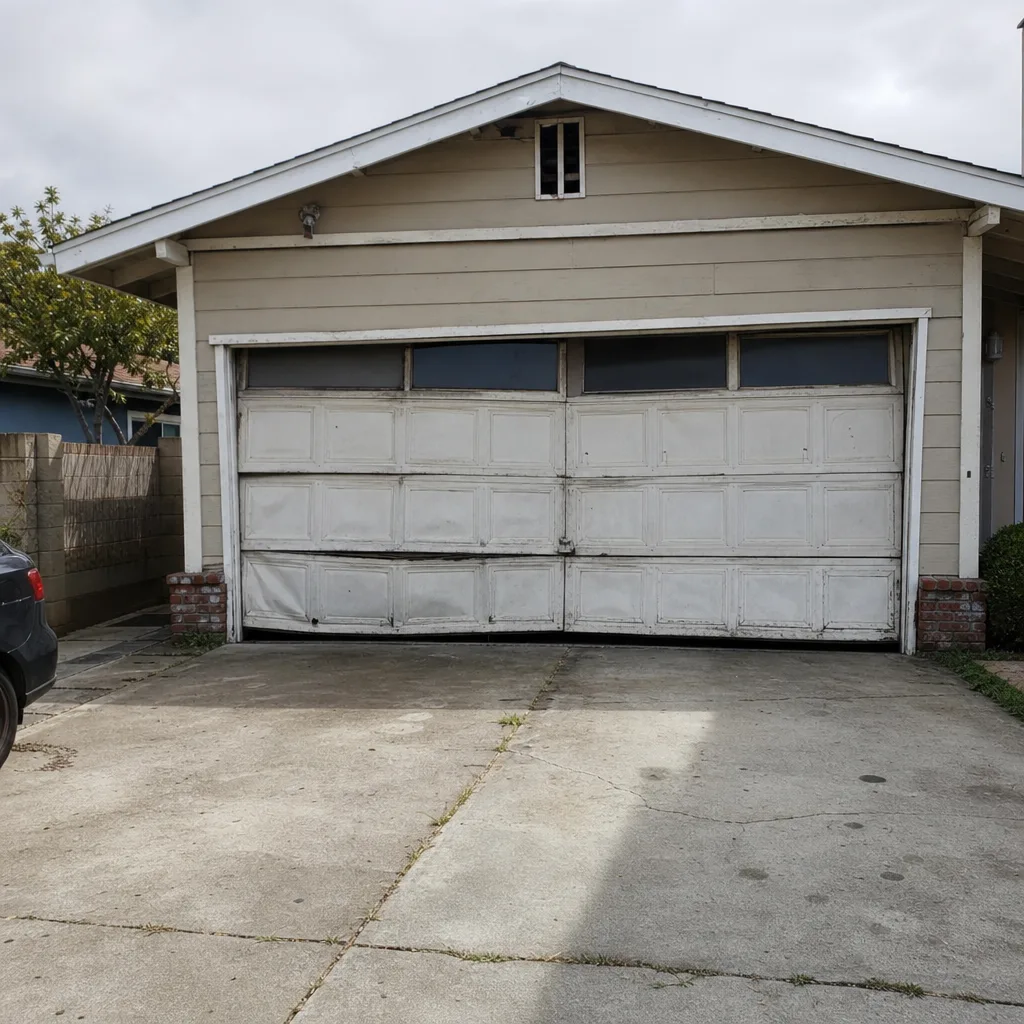 Before
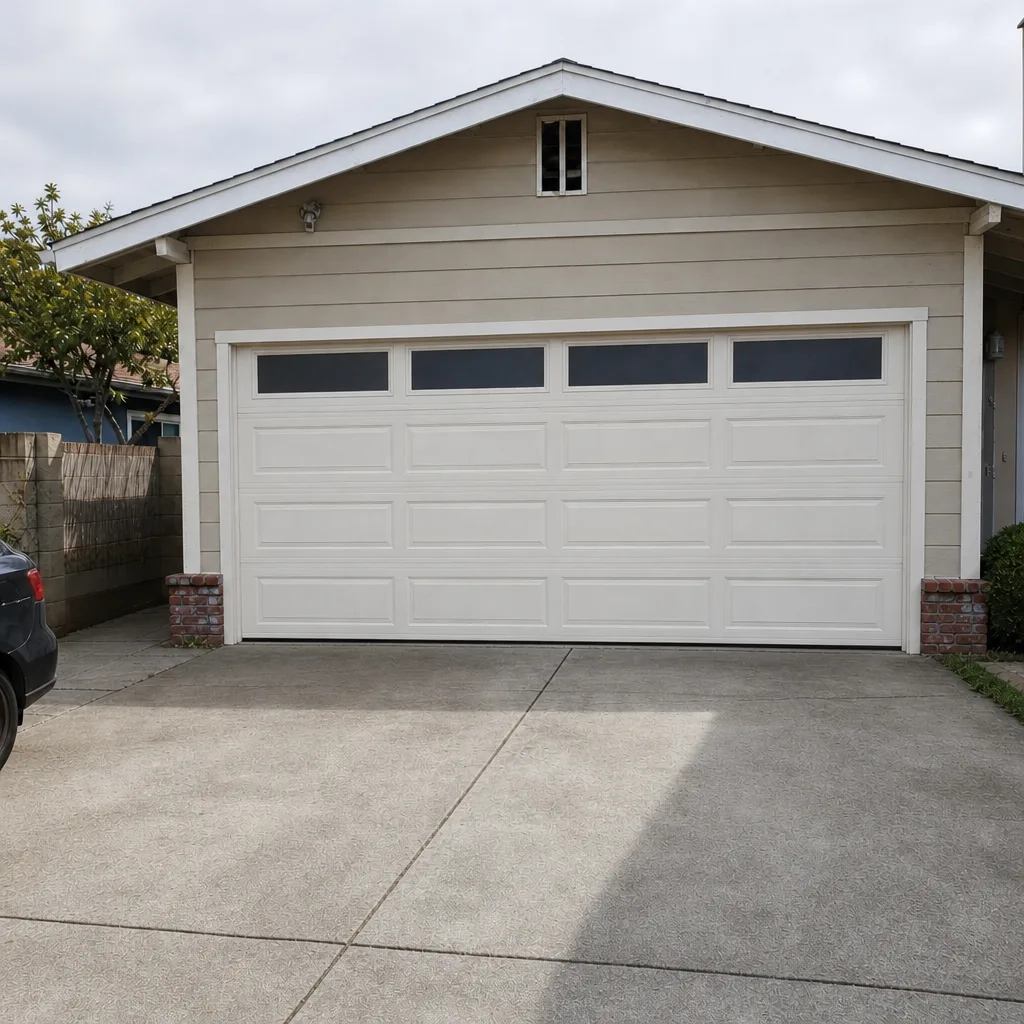 After
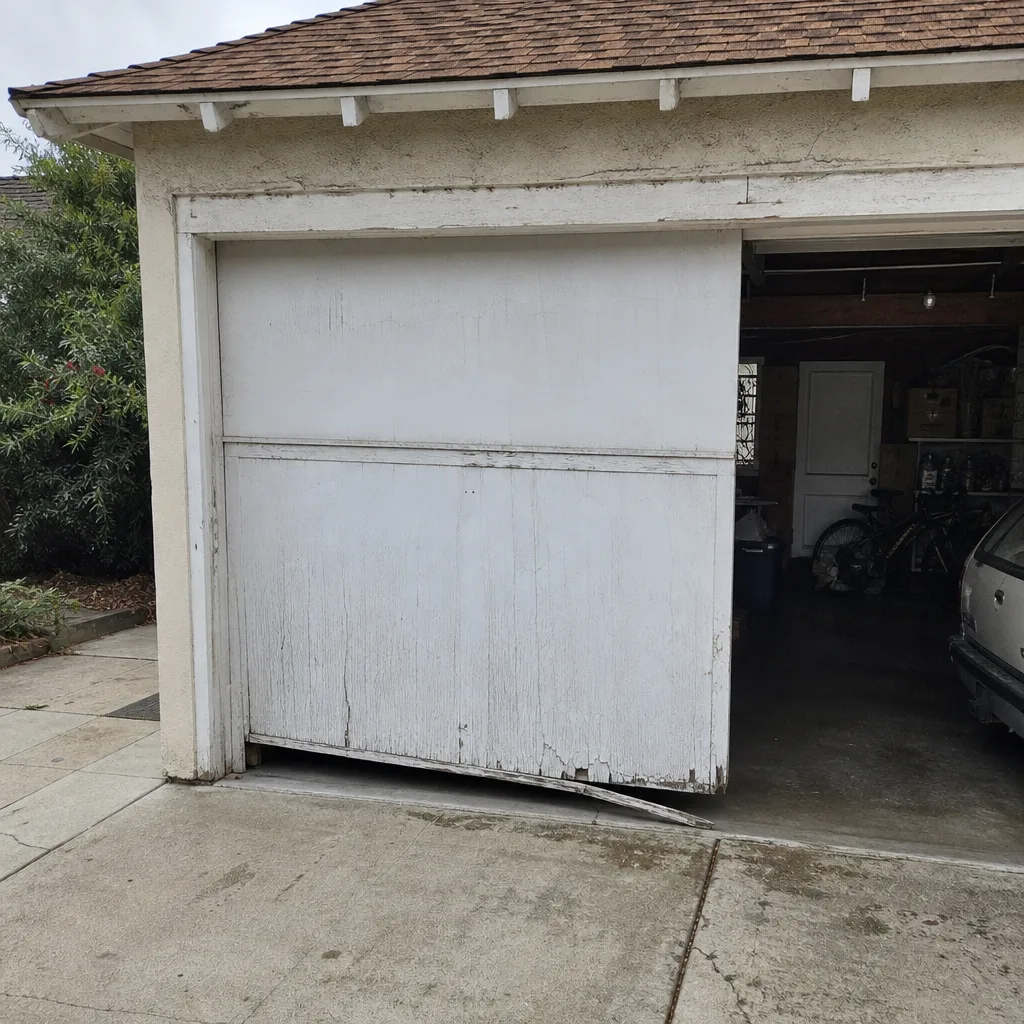 Before
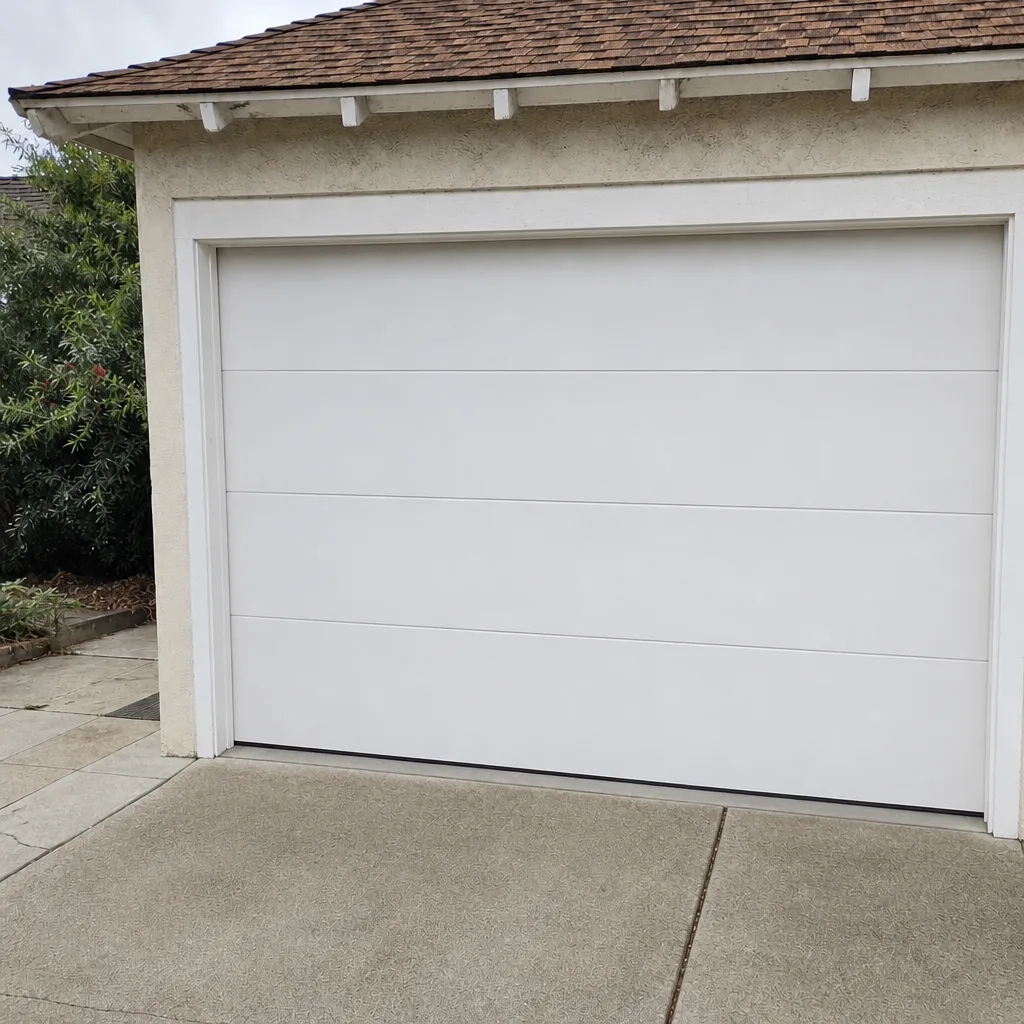 After
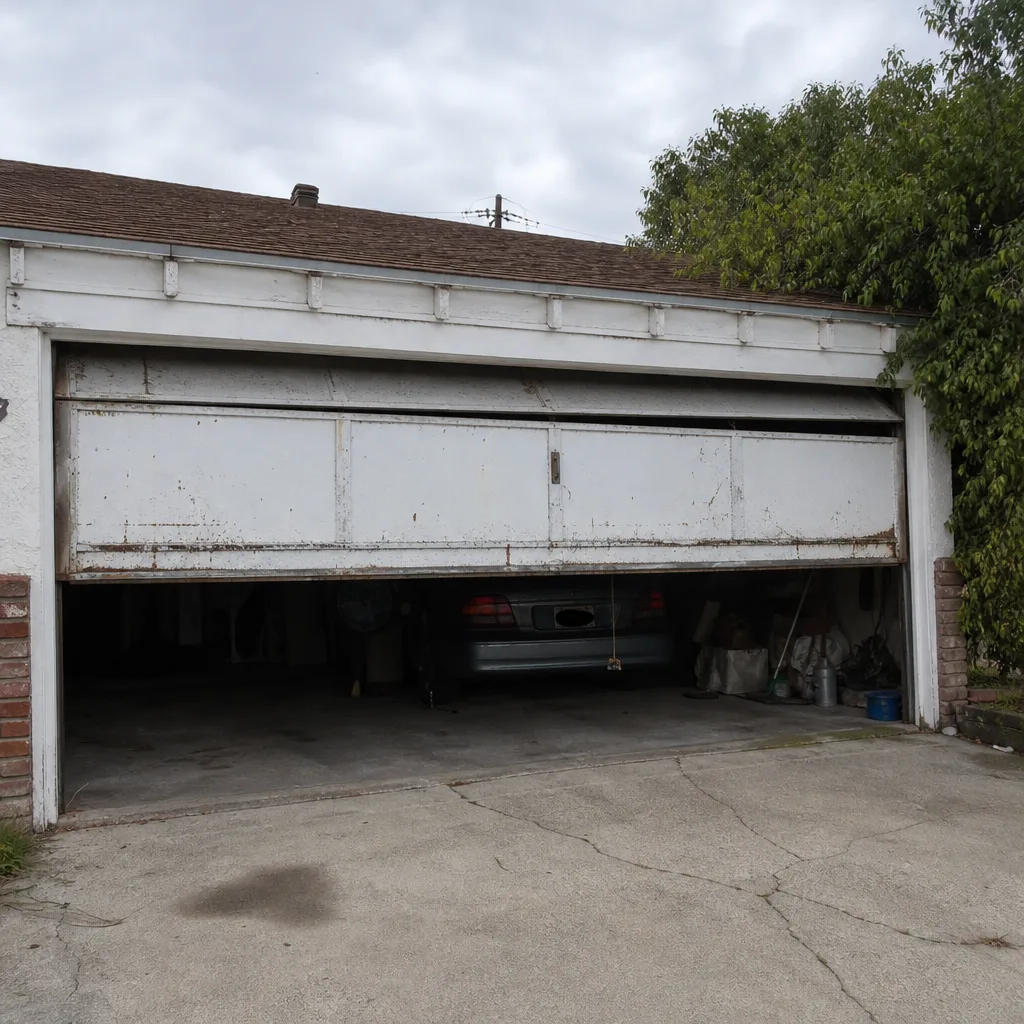 Before
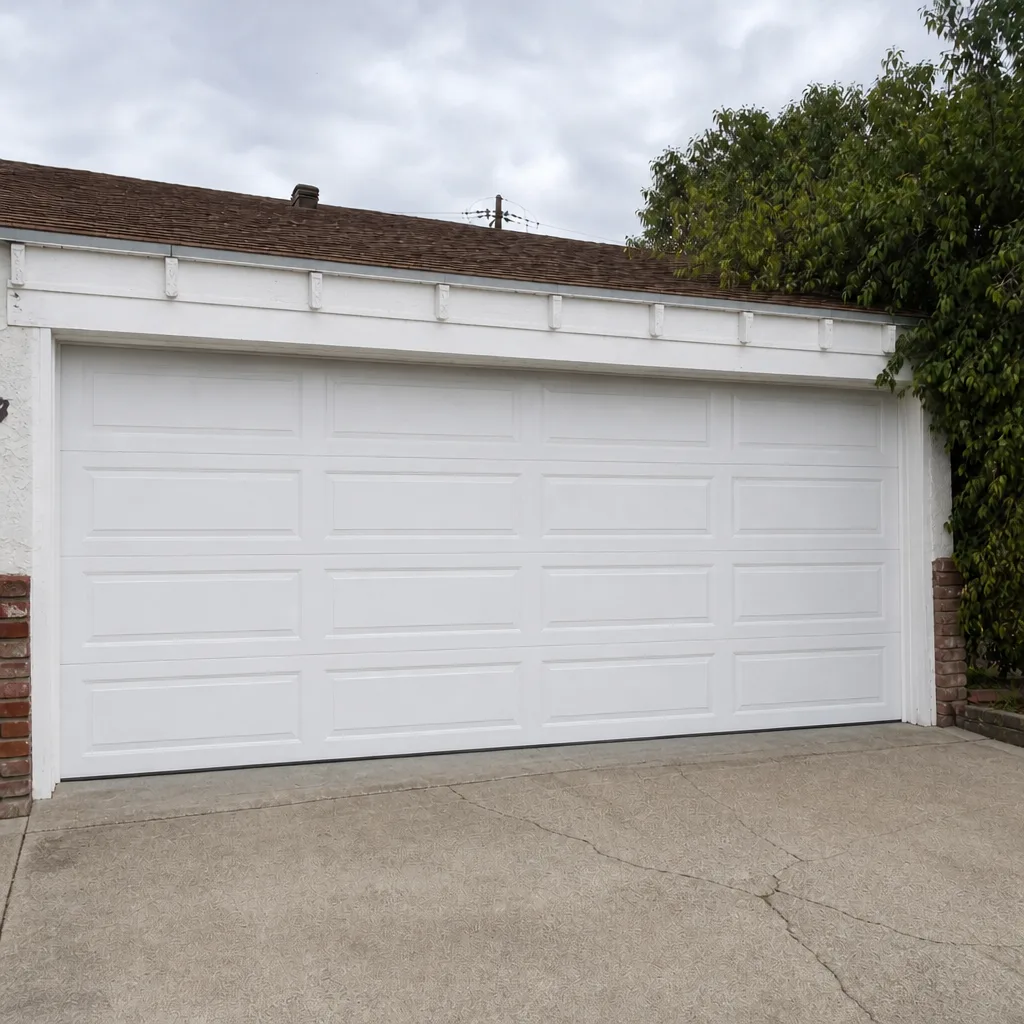 After