
Last updated November 4, 2026
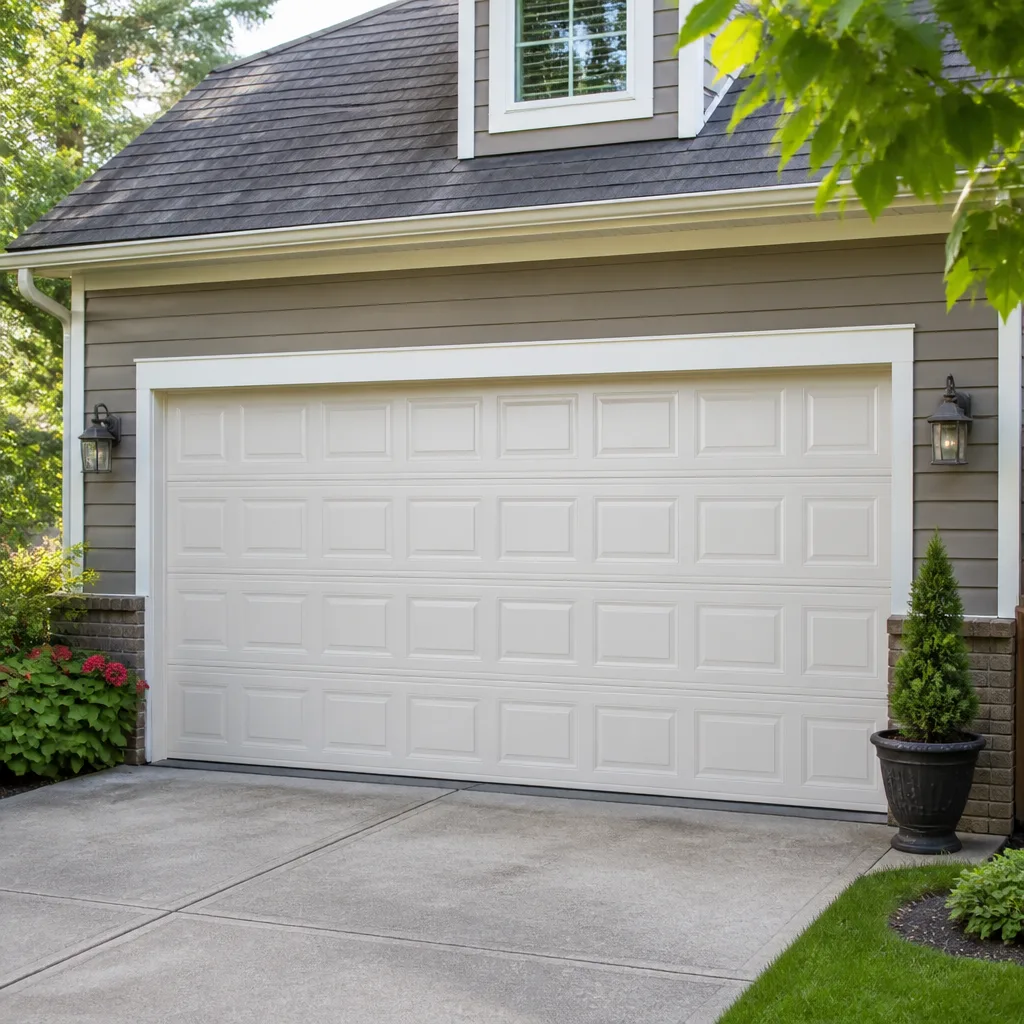 Raised-panel steel
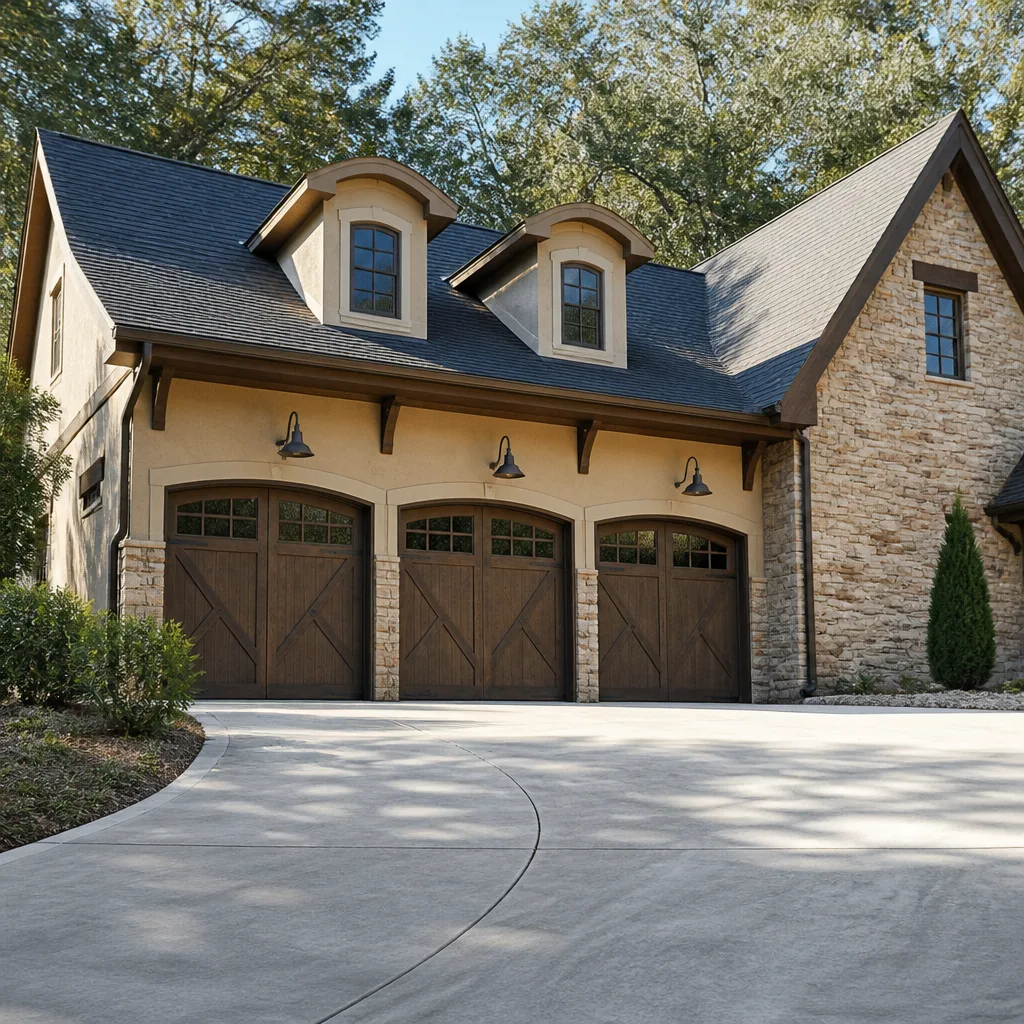 Carriage house
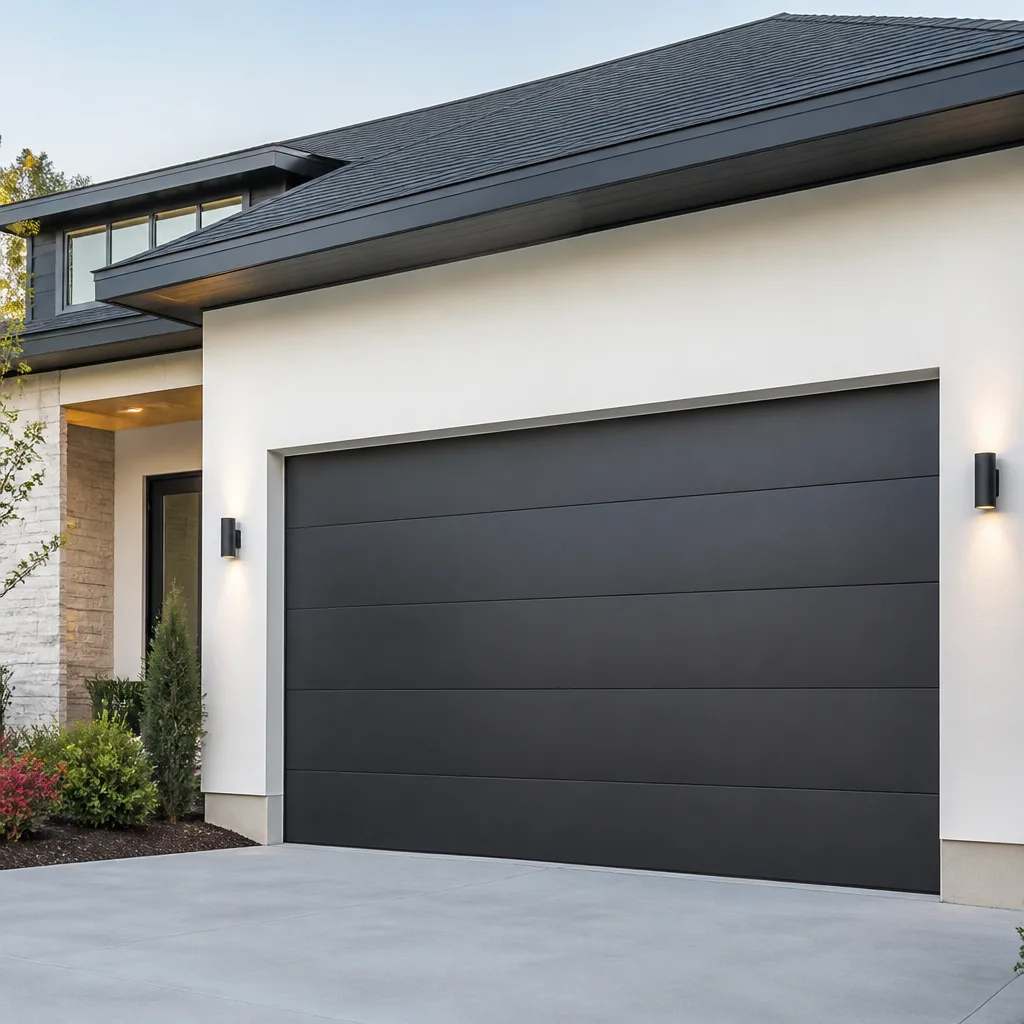 Modern flush
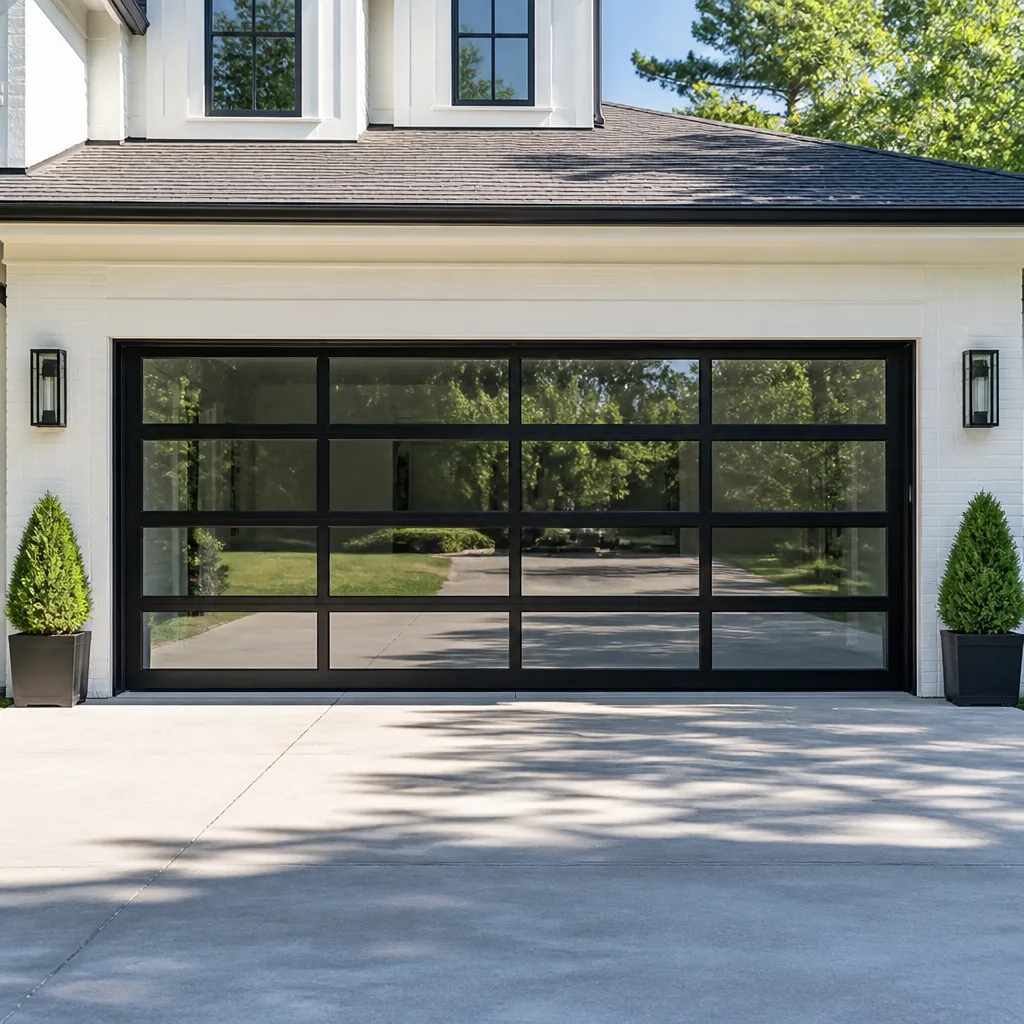 Full-view glass
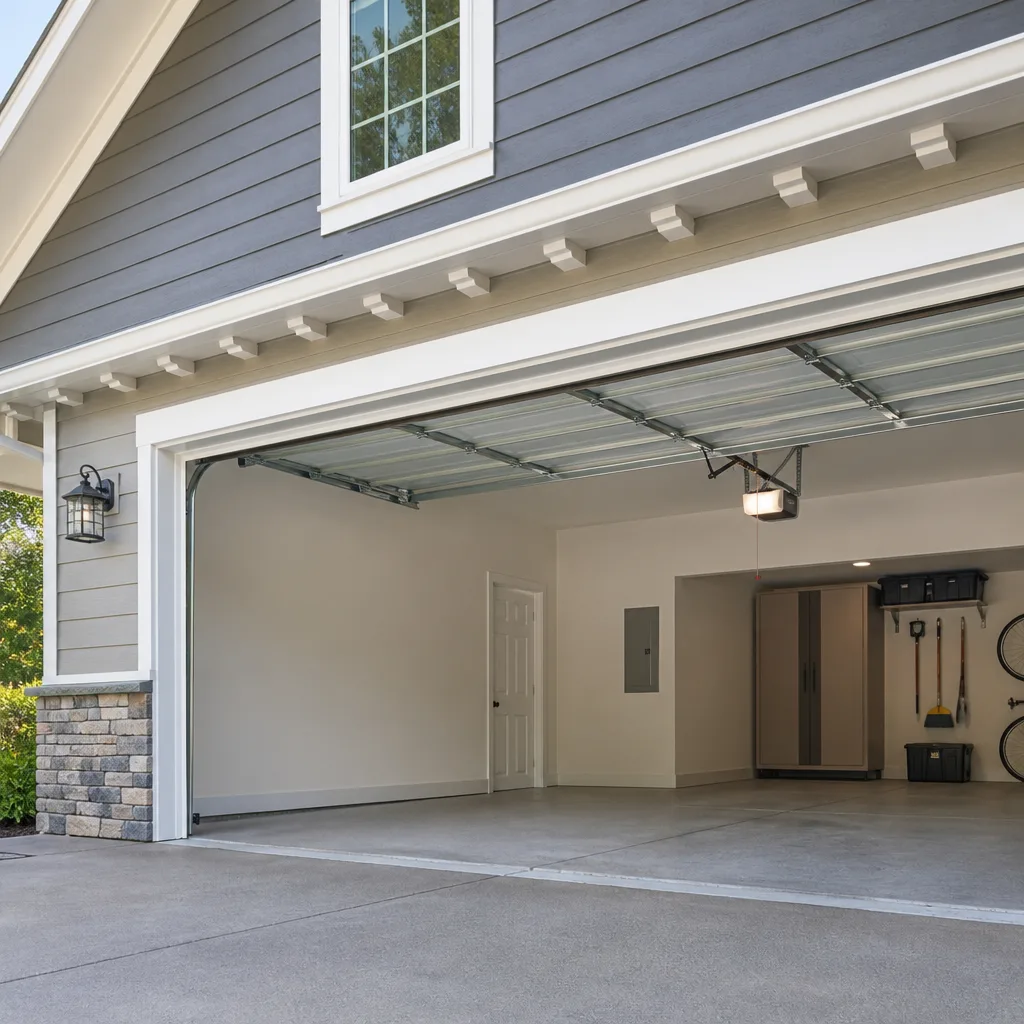 LiftMaster openers
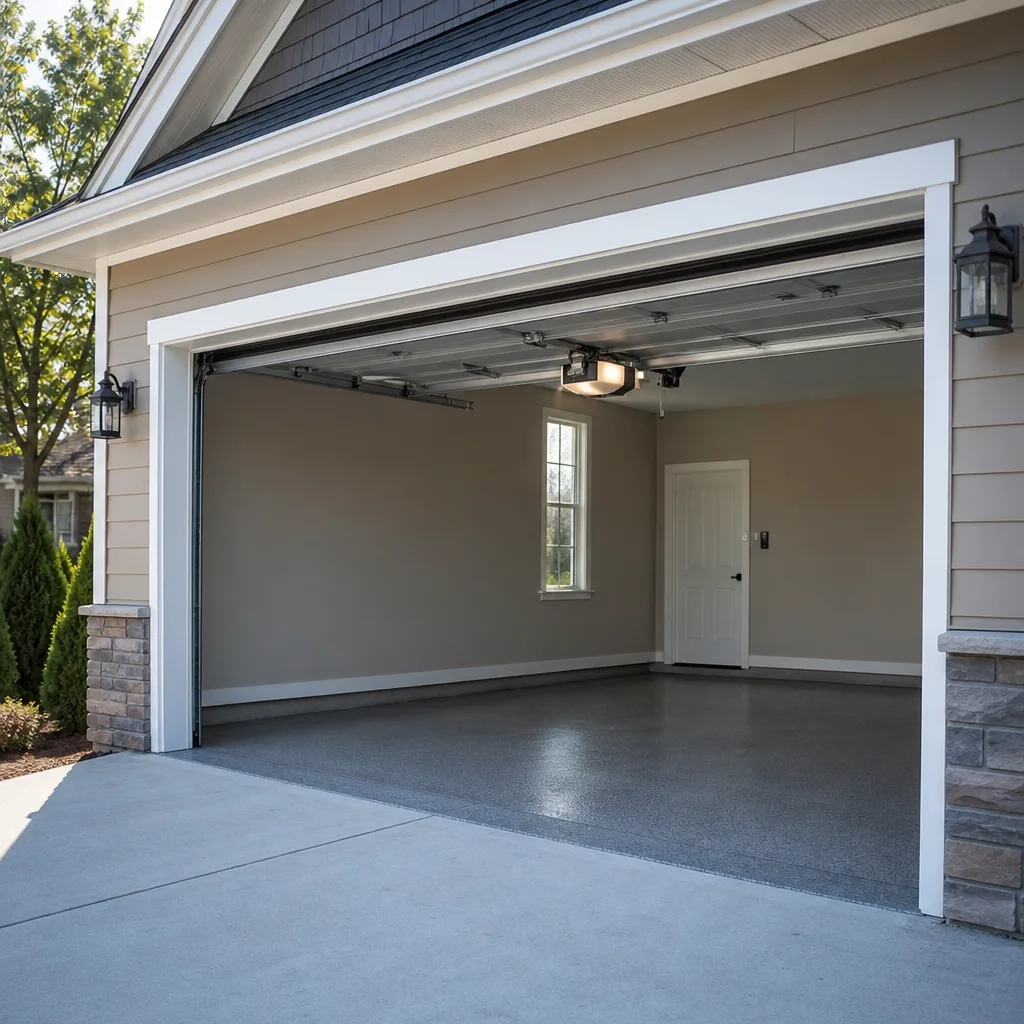 Chamberlain openers
Full 25-point door and opener safety check with every visit - springs, cables, rollers, tracks, and your LiftMaster or Chamberlain opener included
You get a price before we start. It does not change when the truck arrives.
Get your free estimateGarage Door Warning Signs: An Alhambra Homeowner’s Reference Guide
Most garage door guides talk about the day the door stops working. That’s a breakdown, not a warning. A warning is something that happens weeks before, when the door still opens and closes but does it a little differently. The half-second hesitation. The new click from the track. The door that sits slightly crooked when closed. Homeowners in Alhambra hear these things and file them under “old house, old door.” But a garage door doesn’t age gracefully the way a wood floor does. It telegraphs. This guide walks through the three stages of failure: early warning, mid-stage deterioration, and imminent failure. By the end, you’ll know which signs mean a quick adjustment and which mean you should call Garage Door Service Alhambra before the door stops mid-cycle.
Styles & brands we work with
- Raised-panel steel
- Carriage house
- Modern flush
- Full-view glass
- LiftMaster openers
- Chamberlain openers
Quick Answer
The garage door warning signs that matter most are the quiet ones: a slight hesitation before the door moves, a new sound that wasn’t there last month, the door drifting down an inch after opening, or cables that look fuzzy instead of smooth. In Alhambra, where springs work hard in dry heat and dust, these signs typically appear two to six weeks before a real failure. If you catch them early, most are repairs. If you miss them, most become replacements.
Table of Contents
- Early Warning Signs: The First Two Weeks
- Mid-Stage Deterioration: What You’ll See and Hear
- Imminent Failure: When the Door Is About to Go
- Opener Motor Strain vs. Mechanical Resistance: Two Different Sounds
- Misaligned Photo-Eye Sensors vs. a Failing Sensor Board
- Panel Stress Cracks: Cosmetic vs. Structural
- Repair or Replace: The 15-Year Question
- Common Mistakes to Avoid
- When to Call a Professional
- Frequently Asked Questions
- The Bottom Line
Early Warning Signs: The First Two Weeks
A garage door that hesitates for half a second before moving isn’t getting old. It’s telling you the spring tension is off. In most cases, that’s a spring adjustment, not a spring replacement. The problem is that half-second pause is easy to ignore because the door still works. You press the button, there’s a beat, then the door moves. Most people don’t register it as abnormal at all.
Here’s what we tell Alhambra homeowners to watch for in the first stage:
- A pause between the button press and the door moving. The opener motor runs, but the door doesn’t engage for a beat. That lag means the springs aren’t compensating for the door’s weight the way they should, so the opener is doing extra work just to start the panel moving.
- A change in the door’s usual sound. Garage doors have a baseline. Some hum, some rattle. What matters is change. If the door suddenly sounds like it’s laboring when it didn’t before, something shifted.
- The door drifts down an inch or two after reaching the open position. You watch the door open fully, then it settles back slightly on its own. The springs should hold the door in place at the top of the travel. If they don’t, tension is fading.
- The door looks very slightly uneven when closed. One side sits a fraction lower than the other. You might only notice it from inside, looking at the gap between the bottom of the door and the garage floor.
None of these signs mean the door will fail tomorrow. But in our experience, they’re the moment when a repair call is at its cheapest and fastest. The parts haven’t broken yet. They’re asking for attention.
Mid-Stage Deterioration: What You’ll See and Hear
Two to four weeks after the early signs, the clues get harder to dismiss. The door still works, but you’re now aware that something is off. This is the stage where most Alhambra homeowners finally call us, and it’s still usually a repair, not a replacement.
The mid-stage signals are more physical:
- Slow travel. The door takes noticeably longer to open or close than it used to. Not dramatically, but enough that you’ve started waiting for it. A properly balanced door on a healthy opener should move smoothly through its cycle. Slow travel means the motor is fighting the door’s weight, and that strain shortens the opener’s life.
- Visible cable wear. Look at the cables that run along the sides of the door. If you see thin strands poking out, or the cable looks fuzzy instead of tightly wound, it’s beginning to fray. Steel cables under tension don’t fray gradually and then stop. They keep going until they snap.
- Squealing or grinding when the door moves. A high-pitched squeal usually points to a roller or hinge that’s dry or worn. A lower grinding sound is more concerning: it can mean the door is dragging against the track, often because the door has shifted out of alignment.
- The door bounces or shudders while moving. You see it pause and jerk mid-cycle. That’s a sign of uneven tension or a section of track that’s no longer true.
- Loose hardware rattling onto the garage floor. You find a nut, a washer, or a small bolt under the door. That’s not normal wear. That’s a component working itself loose under regular vibration.
At this stage, the problem is still contained. The door hasn’t failed. But the margin for error is shrinking. The difference between a mid-stage repair and a full replacement is often a matter of weeks, especially in Alhambra’s dry heat, where metal parts and lubricant degrade faster than homeowners expect.
Imminent Failure: When the Door Is About to Go
There’s a point where warning signs become a countdown. The door still operates, but you’re one cycle away from it staying stuck halfway up. When these signs appear, the window for a cheap fix has closed, and the priority shifts to preventing damage or injury.
Here’s what imminent failure looks like:
1. The door won’t hold its position. You open the door, it settles back down a few inches. You close it, it bounces up a little. The springs are no longer doing their job. The full weight of the door is now on the opener every time it moves, and openers aren’t built for that. This is a sign that a spring is very near the end of its life.
2. You can see a gap in a spring. If you have torsion springs (the kind mounted on a bar above the door), look closely. A healthy spring is one continuous coil. When you see a break, the two halves separate. Sometimes the break is obvious. Sometimes it’s a small gap. Both mean the spring is done.
3. The door drops quickly when you release it manually. Pull the red emergency release cord and lift the door by hand. It should stay where you put it. If it falls, the springs are no longer counterbalancing the door’s weight. Keep your body clear when you test this.
4. The cables are visibly unwinding from the drum. At the top of the door, the cables wrap around a drum. If you see cable piling up beside the drum, or a cable that’s slack when the door is closed, the system is binding. A cable under sudden release can whip and cause serious injury. Don’t stand beside the door if you see this.
5. The door is crooked when moving. One side travels higher than the other. The door looks like it’s climbing unevenly. This can be a broken spring, a snapped cable, or a bent track. Any of those qualifies as a don’t-operate-the-door situation.
If you see any of these signs in Alhambra, stop using the door and call for service. A door in imminent failure can drop without warning. The danger isn’t just to the door; it’s to anything underneath it, including people and cars.
Opener Motor Strain vs. Mechanical Resistance: Two Different Sounds
This is the distinction most online guides miss, and it’s one of the questions we hear constantly from Alhambra homeowners. They press the button, the door makes a sound they don’t like, and they assume it’s the opener. Sometimes it is. Often it isn’t. And the two problems cost very different amounts to fix.
Opener motor strain sounds electric. It’s a high whine or a labored hum coming from the motor housing. The motor sounds like it’s working too hard, because it is. This points to an opener that’s aging, a capacitor that’s failing, or a motor that’s being asked to lift a door whose springs have lost tension. In many cases, the opener is the victim, not the cause. The springs wear out, the door gets heavy, and the opener burns itself up trying to compensate.
Mechanical resistance sounds physical. It’s a scrape, a grind, or a squeal coming from the track, the rollers, or the hinges. These sounds happen even when the motor is running normally. Mechanical resistance means something in the door’s moving parts is binding or dry. The fix is usually roller or hinge work, sometimes a track adjustment, and it’s often less expensive than opener repair.
Here’s how to tell them apart with a simple test:
- Pull the red emergency release cord to disconnect the opener from the door.
- Lift the door by hand. A balanced door should move smoothly with moderate effort and stay where you put it.
- If the door is heavy or hard to lift, the problem is mechanical or in the springs, not the opener.
- If the door moves fine by hand but the opener still whines, the problem is in the opener itself.
This test takes thirty seconds and saves you from paying for garage door opener repair when the real issue is a worn spring. It’s the kind of diagnosis we do on every call, because fixing the wrong thing doesn’t help anyone.
Misaligned Photo-Eye Sensors vs. a Failing Sensor Board
Photo-eye sensors are the small units near the bottom of the door track, usually one on each side. They send an invisible beam across the opening. If the beam is broken, the door won’t close, or it reverses. The sensors are there so the door doesn’t close on a child, a pet, or an object. They’re simple, and they’re one of the most commonly misread components on a garage door.
Alhambra homeowners misread them constantly because the symptom, the door refusing to close or reversing for no apparent reason, looks identical whether the sensors are misaligned or the sensor board is failing. But the fix and the cost are different.
Misaligned sensors are the common issue. A broom handle bumps one, vibrations shift it, or a car tire clips the track. The sensor points slightly off, the beam doesn’t line up, and the door behaves like something is in the way. This is the first thing to check. Look at the small light on each sensor. Most sensors have an indicator light: steady when aligned, blinking when not. If one is blinking, you’ve found the problem. Gently adjust the sensor until both lights are steady. That’s often the whole fix.
A failing sensor board is rarer but it happens. The sensor board is the circuit inside the opener that interprets the signal. When it fails, the door may refuse to close even when the sensors are perfectly aligned and the indicator lights are steady. You might also see the door close partway and then reverse for no reason, repeatedly. This is not an alignment problem. It’s an electronic problem inside the opener.
The practical difference matters. Misalignment usually costs nothing to fix and takes minutes. A failing sensor board usually means the opener’s logic board is on its way out, which is a repair or an opener replacement depending on the model and age. Before calling, check the sensor lights. If they’re steady and the door still reverses, it’s time for a professional diagnosis. Our techs carry diagnostic equipment for Chamberlain, LiftMaster, Genie, and Craftsman openers, so we can test the board directly rather than guess.
Panel Stress Cracks: Cosmetic vs. Structural
Steel garage doors come in gauges, and thinner panels flex more. Over years of opening and closing, that flexing can produce small cracks, especially around the panel edges where the metal is folded. In Alhambra’s dry heat, the expansion and contraction between cool mornings and hot afternoons adds to the stress. The question is whether a crack is a cosmetic blemish or a structural problem.
Here’s how to tell from the inside:
Look at the interior side of the panel. Most steel doors are a sandwich: steel skin on the outside, insulation or air in the middle, steel or composite skin on the inside. A cosmetic crack typically affects only the outer skin. From the inside, the panel looks intact. If you can see daylight through the crack when the door is closed, or if the interior skin is also split, that’s structural.
Push gently on the cracked area from inside. If the panel feels flexible and the crack closes slightly under pressure, it’s stress-related but not yet structural. If the panel feels soft, bowed, or you can see the crack widening when the door moves, the panel has lost its rigidity.
Check for diagonal cracks near panel seams. A crack that runs diagonally from a corner of a panel is more likely structural than a small straight crack in the middle of the panel. Diagonal cracks often mean the door is racking, twisting slightly with each cycle, which points to a spring or cable imbalance.
Clopay and Amarr build their premium doors with stiffer steel and better bracing, but even a good panel will crack if the door is unbalanced and flexing every time it moves. If you have a Wayne Dalton or a builder-grade door in an Alhambra home, the steel is often thinner, and stress cracks are more common. A cosmetic crack can be lived with for years. A structural crack means the panel is failing and the door’s insulation and security are compromised. At that point, you’re making a decision about replacing a panel or the whole door, and that’s a conversation worth having with someone who isn’t trying to sell you a brand you don’t need.
Repair or Replace: The 15-Year Question
Garage doors have a working life. Most steel doors in Alhambra last between 15 and 20 years with proper maintenance, and openers typically last 10 to 15. When a door hits the 15-year mark and starts showing warning signs, the math changes. A part that wears out on a five-year-old door is a repair. The same part failing on a 15-year-old door might be the first of a steady run of failures.
We take a repair-first approach. We work on the brand you already have, and we don’t recommend replacement just because a door is old. But we also don’t tell a homeowner to spend $400 replacing springs on a door whose panels are dented, whose rollers are shot, and whose track is out of true, when a new door would cost the same as two more years of patchwork repairs.
Here’s the framework we use with Alhambra homeowners:
- Is the door structurally sound? If the panels are solid and the track is straight, repairs make sense, regardless of age.
- Are the failures isolated or multiplying? One worn roller is a repair. Four worn rollers, a failing spring, and a bent track on a 15-year-old door is a pattern.
- What does the door owe you? If the door is original and the home is 20 years old, every component is at or near the end of its service life. You can repair one piece, but the next failure is coming.
- Does the door meet what you need now? An older door may not have modern safety features, and it may not be insulated for Alhambra’s summer heat. If you’re working in the garage, an insulated door makes a difference.
- What does the math say? If the quote for repairs is more than half the cost of a new door, replacement is the honest recommendation.
When replacement is the right call, we install doors from Clopay, Amarr, Wayne Dalton, and Raynor. From opener repair to full installation, we cover the whole lifecycle of the door, which means you don’t need a different contractor as your needs change.
Common Mistakes to Avoid
- Ignoring a new sound because the door still works. This is the most expensive mistake we see. A new sound is the earliest and clearest warning you’ll get. By the time the door stops working, the sound has been there for weeks.
- Oiling the springs to quiet a squeak. A squeak from the springs often means the coils are shifting under load, and lubricant can mask the sound without fixing the tension issue. The door quiets down, the spring keeps wearing, and the failure still happens.
- Diagnosing by YouTube. Every garage door manual on the internet looks easy because it doesn’t show the homeowner who released a torsion spring and spent six months recovering. Torsion springs store enormous energy. Leave them to people who handle them daily.
- Running the door “just one more time.” When the door starts sagging, dropping, or making a grinding noise, the correct move is to stop using it. Every additional cycle does more damage, and a door that drops mid-cycle is a genuine safety risk.
- Replacing the opener when the springs are the problem. A heavy door strains the opener until the opener fails. If you replace the opener without addressing the springs, the new opener burns out the same way. This is a common and costly sequence.
- Assuming all brands are the same. A Craftsman track system and a Raynor torsion system have meaningful differences. Working with a tech who knows multiple brands means the diagnosis fits the system you have, not the system the tech would prefer to sell you.
- Waiting until the weekend. If the door fails on a Sunday morning, we’re dispatched from 7am to 7pm. If it fails on a Saturday, we’re closed that day, and the car may be stuck in the garage until Sunday. Don’t let a known warning sign become a Saturday failure.
When to Call a Professional
Some garage door work is safe for a homeowner: checking the sensor alignment, listening for changes, pulling the emergency release to test the door’s balance. Some is not. If you see a broken spring, a frayed cable, or a door that won’t hold its position, call a professional. The energy stored in a torsion spring or a loaded cable can cause serious injury if released wrong, and the training to handle those components safely is the entire reason specialists exist.
We work on the brand you already have, whether it’s a Clopay door with a LiftMaster opener, a Wayne Dalton door with a Genie unit, or a Craftsman system that’s been on the house since it was built. Our techs diagnose fast, recommend honestly, and repair before replacing whenever that’s the right call. Garage door repair in Alhambra is what we do every day. Call (833) 620-4887 for a free estimate. We answer 24/7. Fast dispatch from 7am to 7pm, Sunday through Friday.
Frequently Asked Questions
The first signs are subtle: the door hesitates before moving, drifts down an inch after opening, or feels heavy when you operate it manually. In Alhambra, where dry heat accelerates metal fatigue, these signs usually appear weeks before the spring breaks. Call (833) 620-4887 for a free estimate if you notice any of them.
In most cases, the photo-eye sensors are misaligned, and one sensor will show a blinking indicator light. If both lights are steady and the door still reverses, the sensor board in the opener may be failing. Either way, the fix starts with a quick diagnostic.
Pull the emergency release cord and lift the door by hand. A balanced door stays where you put it. If it drops, the springs are not counterbalancing the weight, and the door is dangerous to operate. This is a repair priority.
Sometimes. A dry roller or hinge will quiet down with proper lubrication. But a grinding or squealing sound can also mean a mechanical problem that lubrication will only mask. In our experience, a sound change is worth checking, not just silencing.
Spring replacement in Alhambra typically runs $180 to $340 per spring, and springs are usually replaced in matched pairs, so a full spring job is typically $360 to $680. The written estimate sets the final price, and it’s quoted and agreed before any work starts. Call (833) 620-4887 for an exact quote.
No. A frayed cable is a loaded cable, and it can snap without warning. The cables run along the door sides under high tension, and a snapped cable can whip and cause injury. Stop using the door and call for service. We answer 24/7 and dispatch from 7am to 7pm, Sunday through Friday.
Most steel garage doors in Alhambra last 15 to 20 years, and openers typically last 10 to 15. Alhambra’s dry heat and fine dust put extra wear on moving parts, so springs and rollers often need replacing before the door panel itself gives out.
The Bottom Line
A garage door rarely fails without warning. It hesitates, it drifts, it changes its sound, it shows its cable wear. The homeowners who catch those signals early get a spring adjustment or a roller replacement instead of a snapped spring and a door stuck open. The homeowners who ignore them get an emergency, and a failed part is a bigger repair than an early adjustment.
This guide exists so you know what to look and listen for. When you notice one of the signs, don’t wait to see what happens next. Call (833) 620-4887. We answer 24/7. Fast dispatch from 7am to 7pm, Sunday through Friday. The estimate is free, the price is set before the work begins, and the recommendation is always repair first when repair is the right call.
Written by the team at Garage Door Service Alhambra, serving Alhambra since 2015.
See the difference
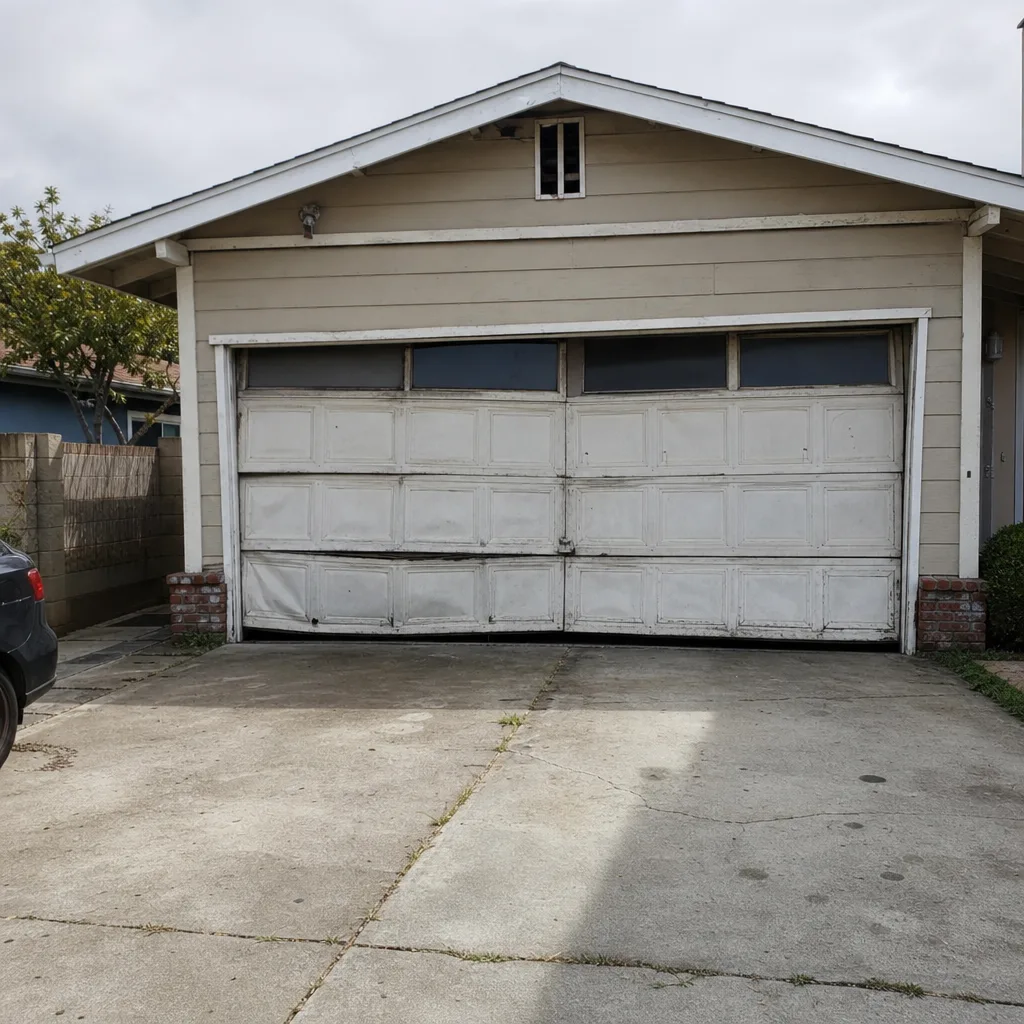 Before
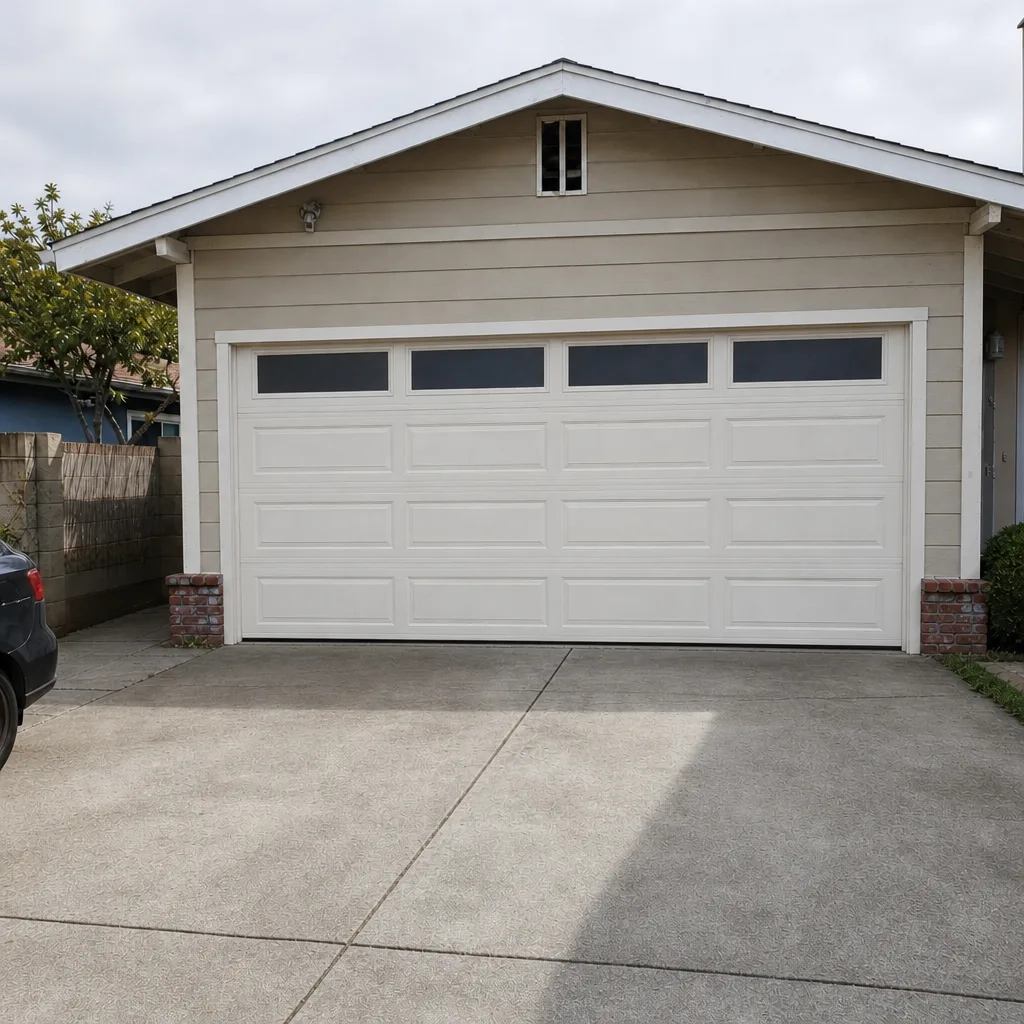 After
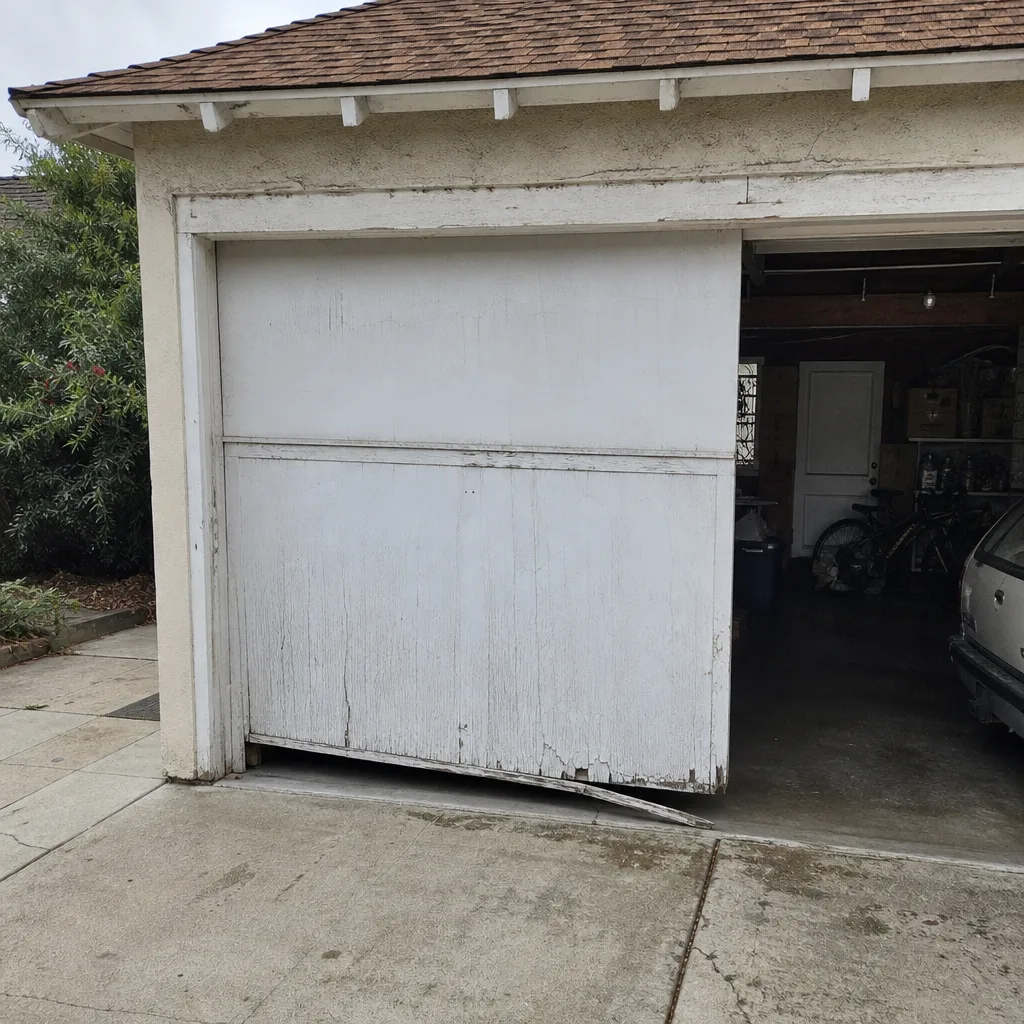 Before
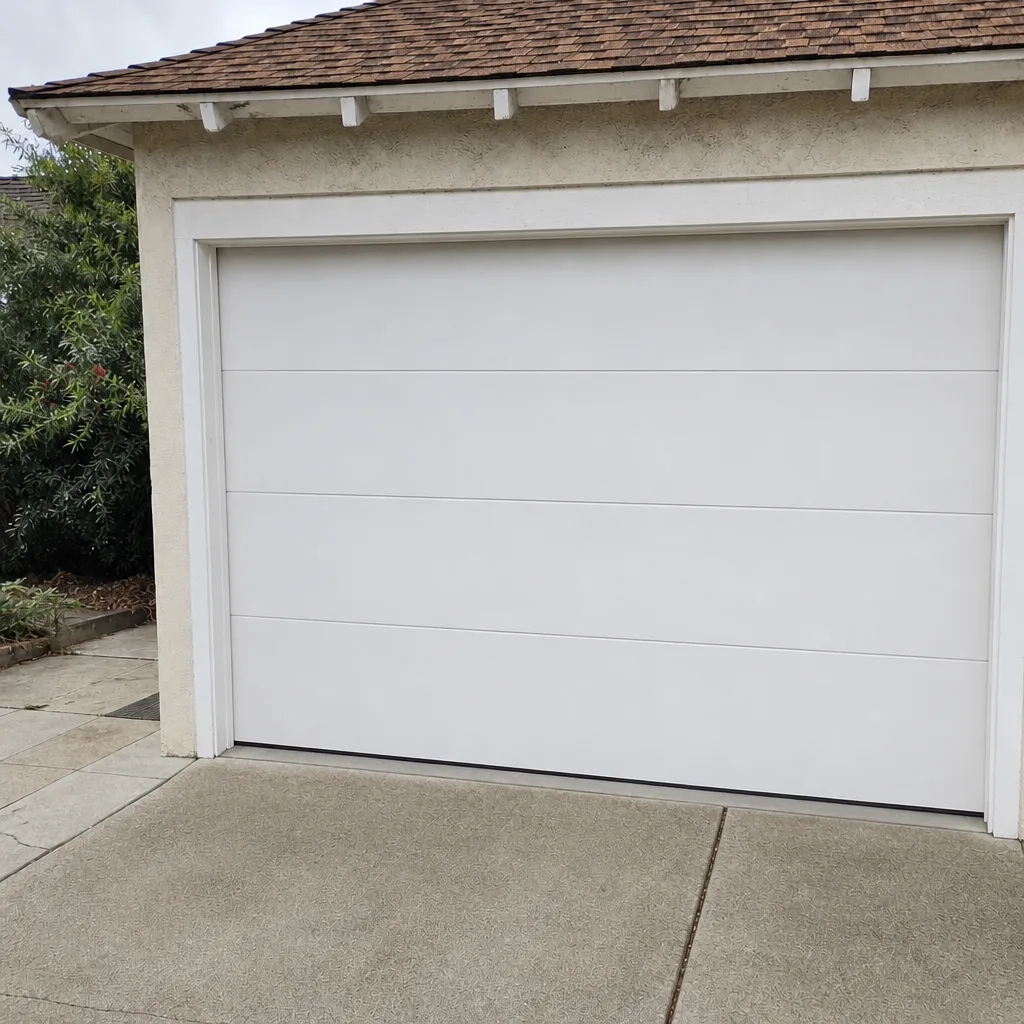 After
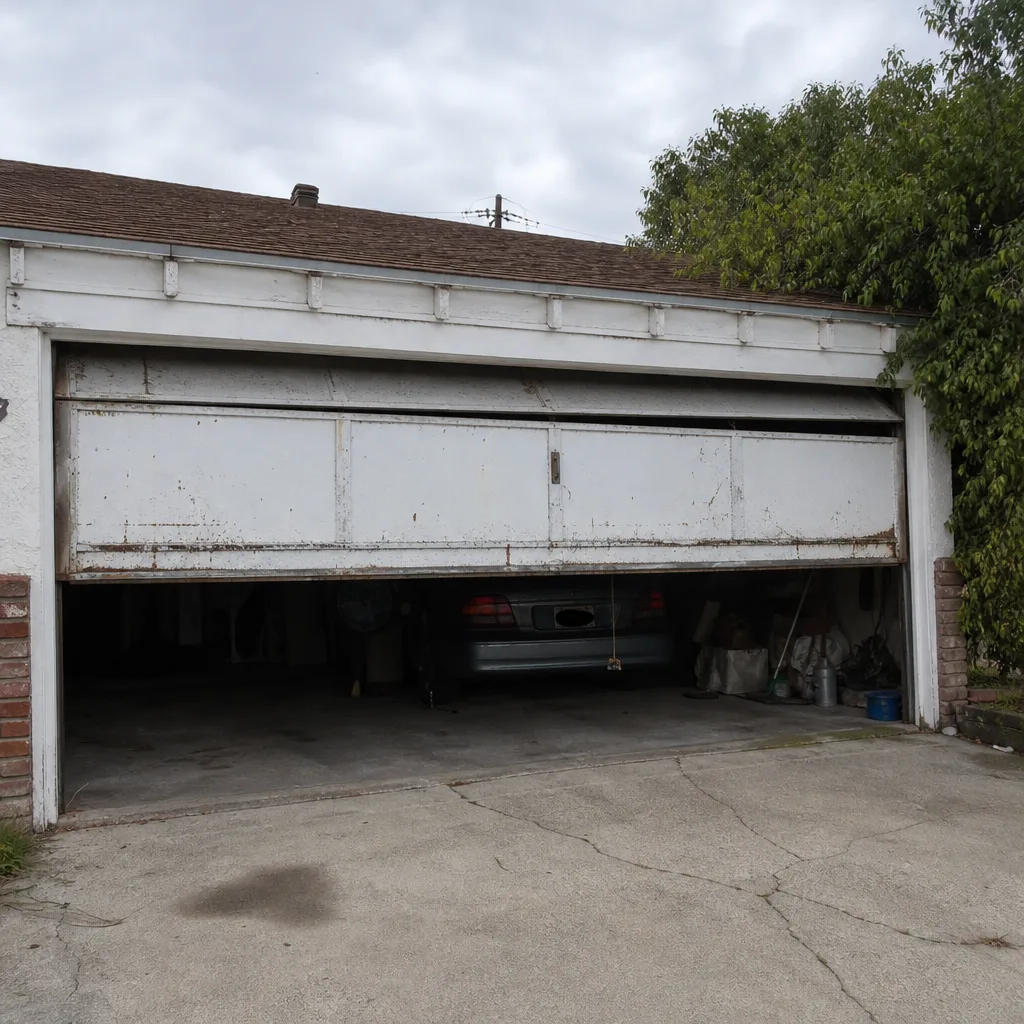 Before
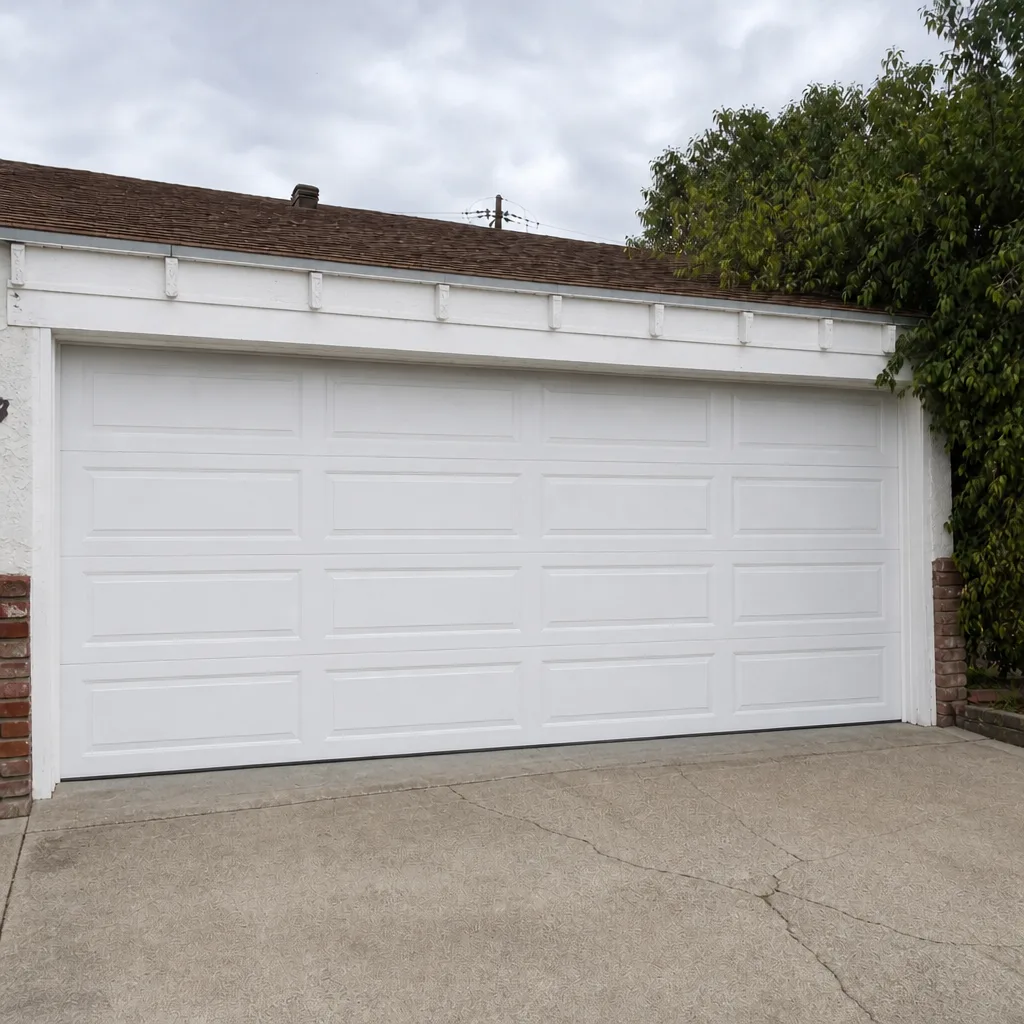 After