
Last updated November 4, 2026
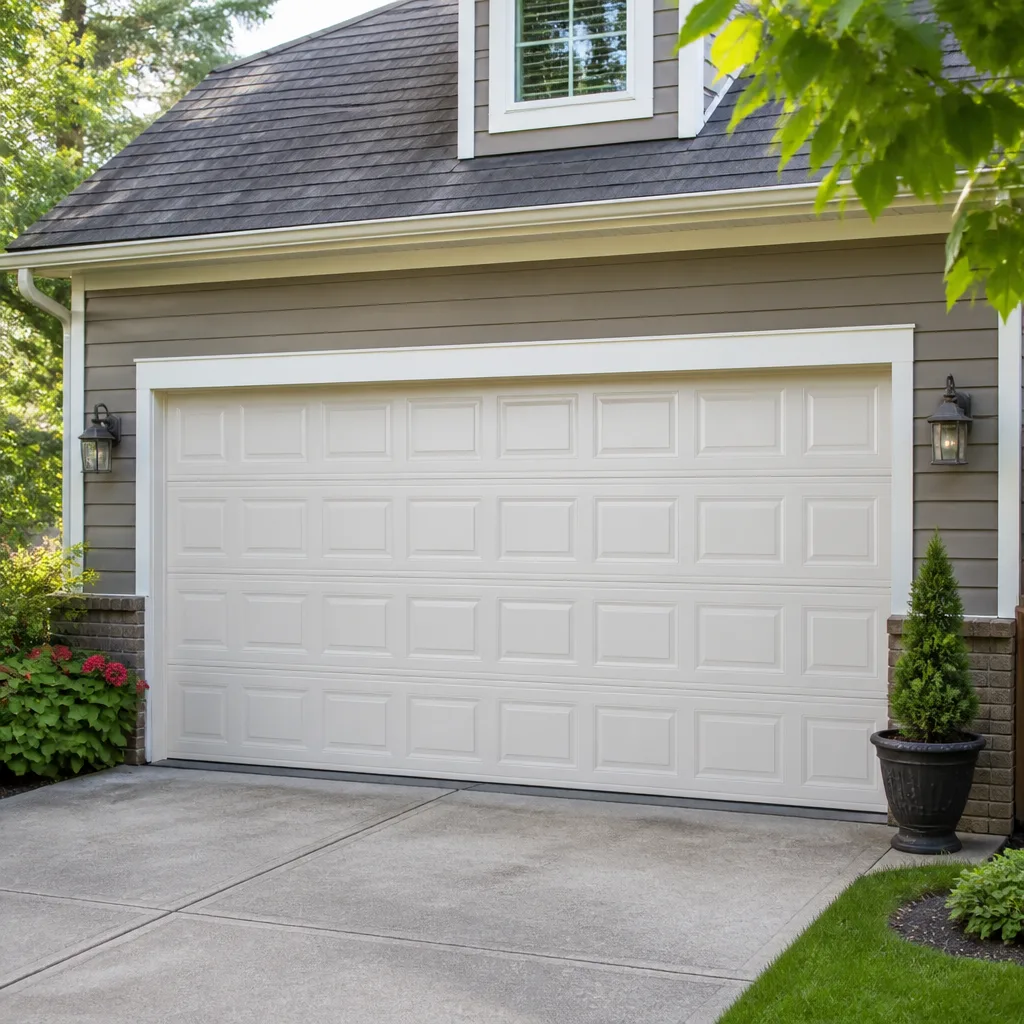 Raised-panel steel
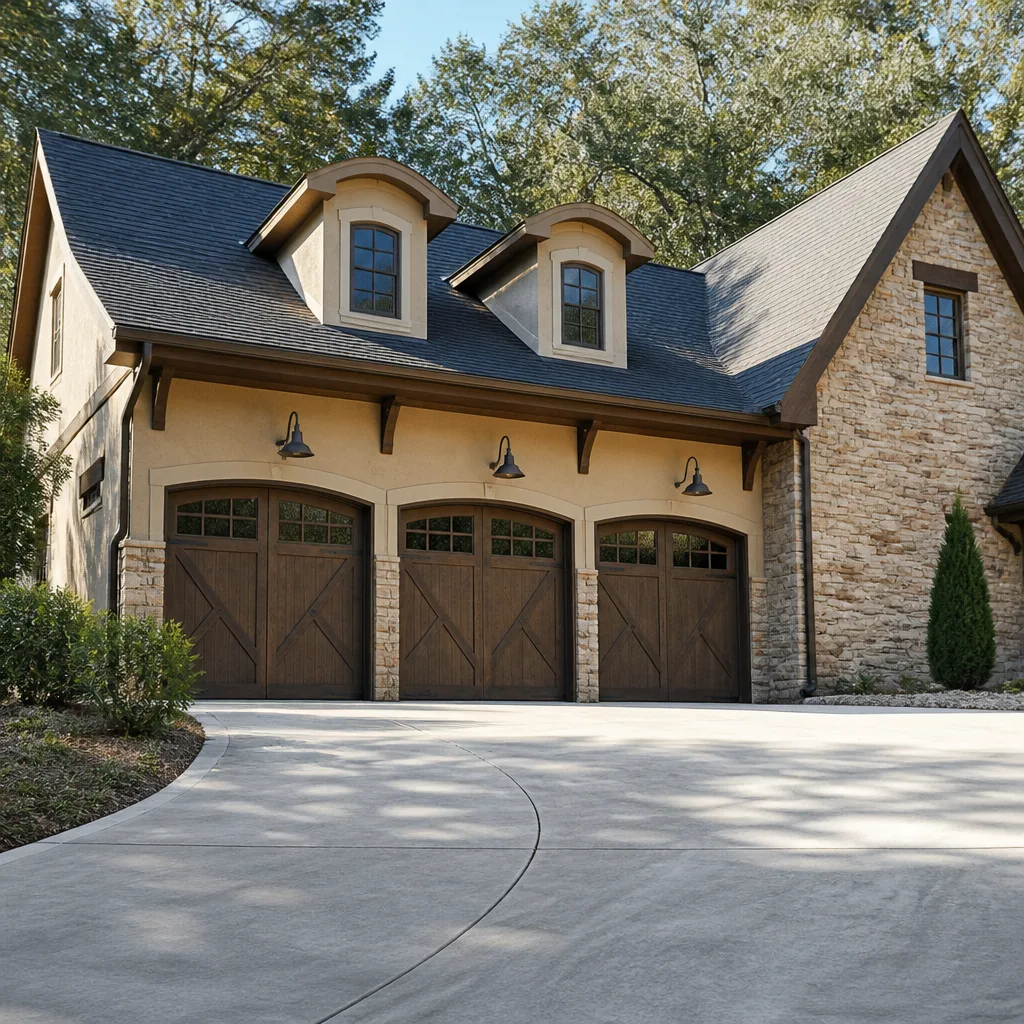 Carriage house
 Modern flush
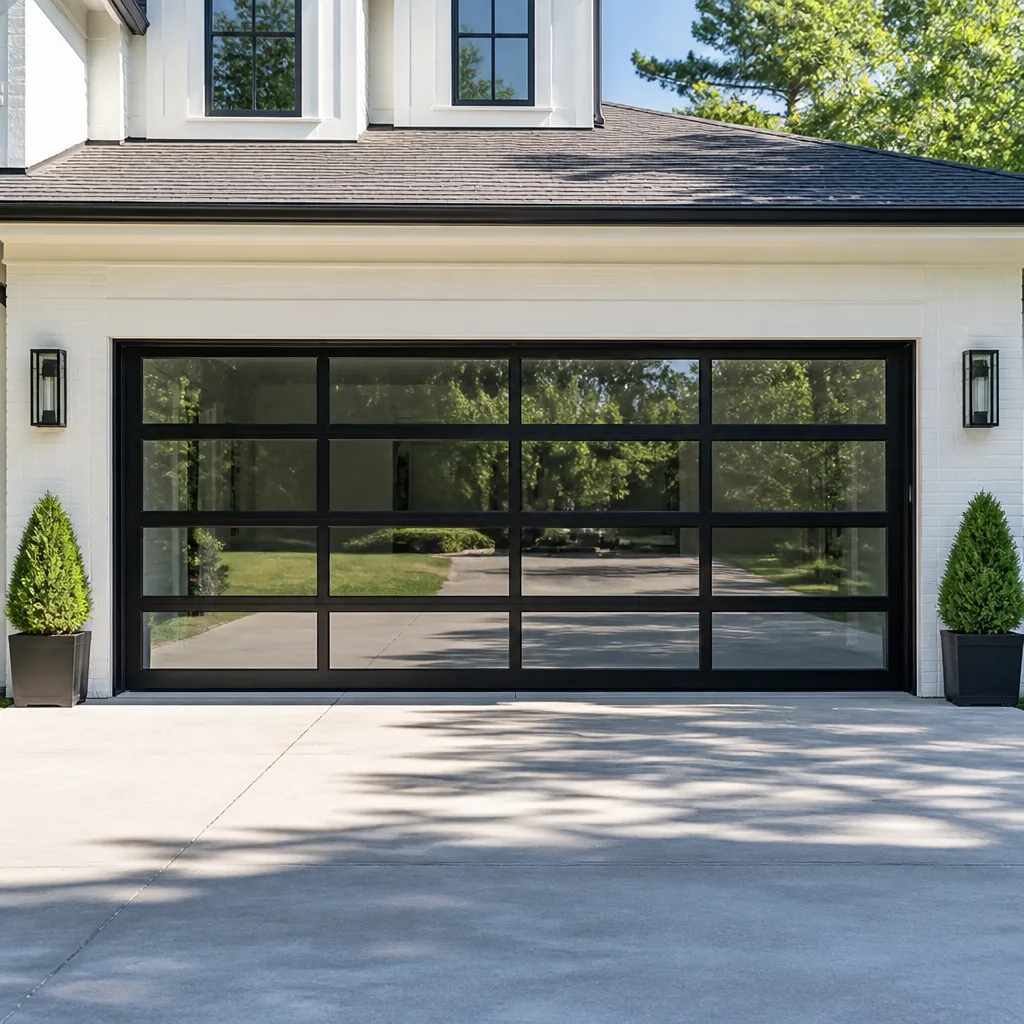 Full-view glass
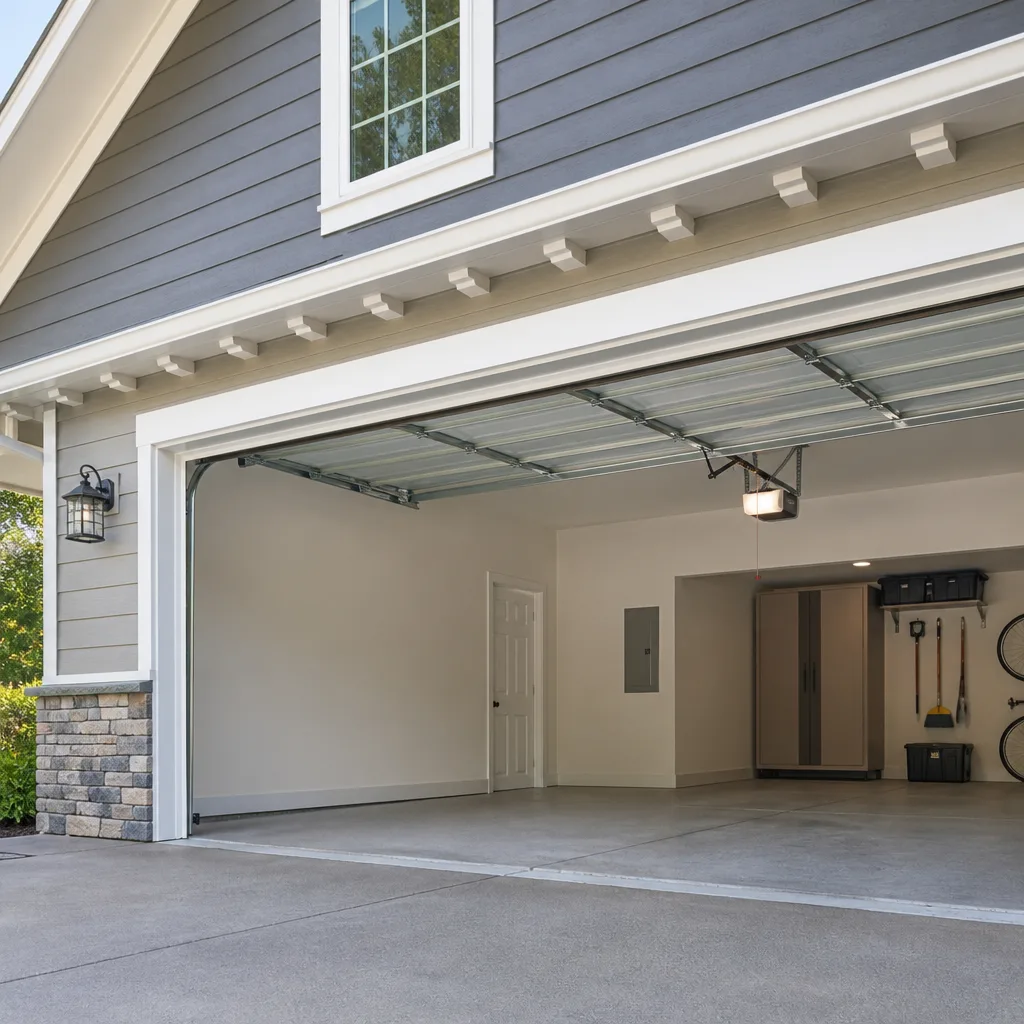 LiftMaster openers
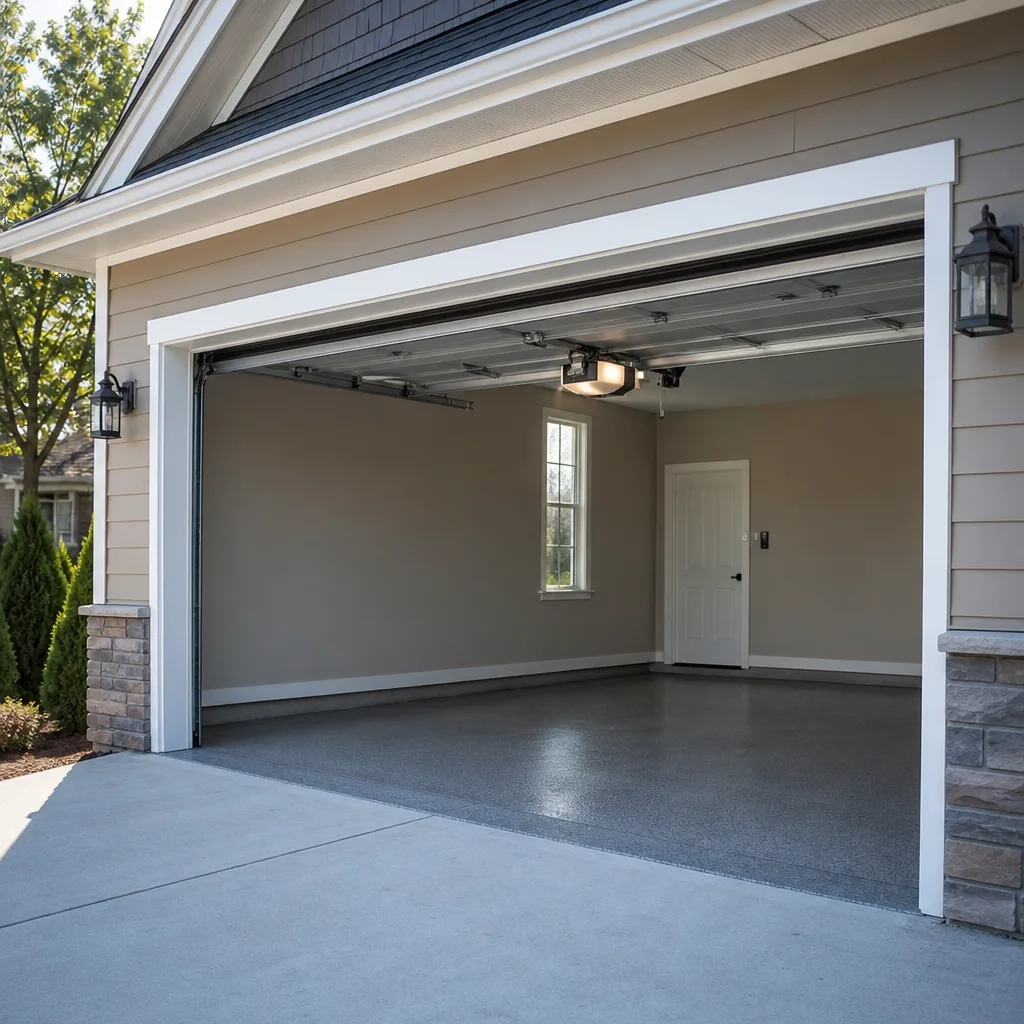 Chamberlain openers
Full 25-point door and opener safety check with every visit - springs, cables, rollers, tracks, and your LiftMaster or Chamberlain opener included
You get a price before we start. It does not change when the truck arrives.
Get your free estimateGarage Door Emergency Preparedness Guide for Alhambra Homes
Most Alhambra homeowners think of their garage door as a convenience feature until the ground shakes. Then it becomes something else entirely: the largest moving object in the house, a potential exit route, and a barrier that can trap vehicles inside when you need them most. The reality is that garage doors fail in predictable ways after seismic events, and nearly all those failures have simple, pre-event countermeasures. This guide covers what actually happens to garage doors during and after earthquakes, how manual releases work on common opener brands, what to inspect before operating a door post-event, and what California code says about seismic bracing. We’ll give you the practical knowledge to prepare now so you’re not learning it at 3 a.m. with the power out.
Styles & brands we work with
- Raised-panel steel
- Carriage house
- Modern flush
- Full-view glass
- LiftMaster openers
- Chamberlain openers
Quick Answer
Garage door emergency preparedness for Alhambra homes comes down to four things: knowing how to operate your opener’s manual release cord correctly, having a battery backup or an alternative power plan, knowing what to inspect after an earthquake before you operate the door, and keeping your door’s seismic bracing current. A garage door that works after an earthquake isn’t luck, it’s preparation. Most post-earthquake garage door failures we see in Alhambra are opener-related, not structural, which means the door itself is usually fine and the fix is faster than homeowners expect.
Table of Contents
- Manual Release Operation: The Skill Most Homeowners Skip
- Post-Earthquake Inspection Protocol for Alhambra Homes
- Seismic Garage Door Bracing in California: What Code Requires
- Battery Backup Openers: What Actually Works During an Outage
- Emergency Contact Preparation: What to Have on Hand Before You Need It
- Why Alhambra’s Geography and Housing Stock Change the Math
- Common Mistakes to Avoid
- When to Call a Professional
- Frequently Asked Questions
- The Bottom Line
Manual Release Operation: The Skill Most Homeowners Skip
The manual release cord on your garage door opener is the red handle hanging from a rope near the motor. It disengages the opener’s trolley carriage from the door’s drive arm so you can lift the door by hand when the power is out or the opener fails. This simple mechanism becomes critical after an earthquake, when power outages are common and openers may be damaged. Yet most homeowners we talk to in Alhambra have never pulled it, aren’t sure which position it should be in, and don’t know how to re-engage it without causing damage.
Here’s how the manual release actually works. The opener carriage travels along a rail and connects to the door through a drive arm. When engaged, the carriage pulls the door open and pushes it closed. The release cord pulls a small lever inside the carriage that separates the carriage from the drive arm. Once disengaged, the door moves freely by hand, independent of the opener. The key detail most guides gloss over: you should only pull the release cord when the door is fully closed. Pulling it while the door is open can send a damaged door crashing down, especially if a spring is broken.
How to Disengage and Re-engage Correctly
- Confirm the door is fully closed. If it’s partially open and the opener has failed, call a technician before forcing it. A door with a broken spring or bent track can fall hard when released.
- Pull the red release cord straight down, not at an angle. The cord should click or move the lever. On most LiftMaster, Chamberlain, Genie, and Craftsman openers, you’ll feel a distinct release.
- Lift the door manually a few inches to confirm it moves freely. If it’s heavy or refuses to move, a spring has failed. Stop and call a professional, don’t muscle it.
- Open the door fully by hand. A properly balanced door will stay up on its own. If it drifts down or feels unbalanced, the springs need attention.
- To re-engage, with the door closed, pull the release cord toward the door. The carriage should click back into place. On most models, the opener will re-connect automatically the next time you run it, either by running the motor until the carriage latches or by pulling the cord again while running the opener. Check your opener manual for your exact model’s procedure.
We service opener systems from LiftMaster, Chamberlain, Genie, and Craftsman regularly, and the release mechanisms are similar across all of them, but the re-engagement feel varies. Some click firmly, some need the opener to cycle once. If you’ve never tested yours, do it this weekend. Ten minutes now beats an hour of fumbling in the dark after an earthquake. If your door won’t re-engage or the carriage slams into the door, stop and call for garage door opener repair before you damage the trolley.
Post-Earthquake Inspection Protocol for Alhambra Homes
After a significant earthquake, your first instinct might be to open the garage and check on things. Resist it for five minutes and inspect first. A garage door that shifted on its tracks during shaking can bind, buckle, or drop when you operate it. The inspection below takes ten minutes and catches the problems that cause damage or injury.
Step-by-Step Post-Event Inspection
- Look at the door from inside, without touching it. Check whether it sits evenly in the opening or hangs crooked. A crooked door usually means a track shifted or a cable came off.
- Check the torsion spring above the door. Look for gaps in the coil, a visibly snapped spring, or loose anchor brackets where the spring mounts to the header. A broken torsion spring is under extreme tension when intact; if it’s snapped, the door is dead weight and should not be lifted manually.
- Inspect both vertical tracks and the horizontal rails. Look for gaps between the track and the wall or ceiling, visible bends, or loose bolts. Seismic shaking can pull lag screws out of framing, especially in older Alhambra homes with wood framing.
- Check the cables on both sides. Cables should be tight and seated in the drums. A frayed or kinked cable is a warning sign. If a cable has come off the drum, do not operate the door; the door can drop unevenly.
- Look at the header above the door opening. Check for cracks in the drywall or stucco around the header, and any visible separation between the header framing and the wall. New cracks after an earthquake are a structural red flag.
- Test the manual release only after all of the above check out. Disengage the opener as described in the previous section and lift the door by hand slowly. It should move smoothly and stay balanced. If it doesn’t, stop and call a professional.
One point we emphasize with Alhambra homeowners: a door that operated fine before an earthquake can still have hidden damage from violent shaking, especially to spring anchor points and track brackets. The inspection is not optional. And if you find damage, the right call is to leave the door closed and locked out rather than force it open. A damaged door under tension is dangerous. We’d rather come out and set it right than see someone hurt.
Seismic Garage Door Bracing in California: What Code Requires
California building code treats garage doors as part of the lateral load path in a structure. That means the door opening itself, and the framing around it, must resist the horizontal forces of an earthquake. In practice, this translates into requirements for how the door’s track system is anchored to the wall and how the header above the door is tied into the surrounding framing. Most Alhambra homes built before the early 2000s predate the current seismic detailing requirements, and even newer homes can have retrofits done incorrectly.
The core concept is simple: the vertical tracks must be anchored into structural framing, not just drywall or stucco, and the header above the opening must be tied to the wall framing with metal connectors. Several manufacturers, including Amarr and Wayne Dalton, offer seismic bracing kits and track reinforcement options for their door lines. These kits typically add steel angle brackets at key stress points and upgrade anchor bolts to handle lateral movement. If your door predates those options being standard, the hardware may not be present.
We can’t tell you from a guide whether your specific door meets current code without seeing it. What we can tell you: if your door was installed more than two decades ago or you’ve never had the track anchors inspected, it’s worth having a professional look at the mounting points. Ask your city’s building department about current seismic retrofit requirements for garage doors in Alhambra. The code details matter, and they’ve changed over the years. A visual check of your track anchors and header connectors now costs far less than a structural repair after the next earthquake.
Battery Backup Openers: What Actually Works During an Outage
California code has required battery backup on new residential garage door openers since 2019, which means newer homes in Alhambra installed after that date should have one. But “battery backup” doesn’t mean unlimited operation, and that’s where homeowners get tripped up. A battery backup opener is designed to give you a limited number of open and close cycles during a power outage, typically in the range of 24 to 48 hours of standby time with a handful of operating cycles. It is not a generator.
The systems we work on from LiftMaster, Chamberlain, Genie, and Craftsman all offer battery backup units, but they vary in how they’re installed and maintained. Some are integrated into the opener housing. Some are a separate battery tray that mounts alongside the motor. The most common failure point is not the battery itself but the fact that the battery was never replaced after five to seven years and has lost its capacity. A battery backup that reads as installed but delivers zero cycles is functionally no backup at all.
Here’s what to know if you’re evaluating your current setup:
- Test the backup annually. Unplug the opener or cut power at the breaker, then operate the door. If it won’t move or moves slowly, the battery is dead or failing.
- Understand the cycle limit. Backup batteries are sized for occasional use, not dozens of cycles. If an outage lasts several days, plan to open the door manually after the first few backup cycles.
- Replace older batteries proactively. If your opener’s battery is older than five years, replacement is cheap insurance. The date is usually printed on the battery housing.
- Don’t confuse battery backup with surge protection. A backup battery does not protect the opener’s control board from power surges, which can occur when power returns after an earthquake. Consider a dedicated surge protector for the opener outlet if you live in an area with frequent outages.
If you have an older opener without battery backup and want to add it, the approach depends on your opener model. Some openers are battery-backup compatible and just need the accessory kit. Others are too old to accept the add-on and would require a full opener replacement. We’re happy to check your exact model and tell you honestly which category it falls into. No guesswork, no upsell.
Emergency Contact Preparation: What to Have on Hand Before You Need It
When your garage door fails after an earthquake, you don’t want to be searching through a drawer for the opener manual or trying to read a faded label on the motor. The information below is what a technician will ask for when you call, and having it ready saves time when every hour matters. Write it down now, before the event, and keep it somewhere obvious.
Information to Document Now
- Opener brand and model number. Usually printed on a label on the motor housing. Common brands in Alhambra include LiftMaster, Chamberlain, Genie, and Craftsman. The model number tells a technician what parts to bring.
- Door brand and approximate size. Check for a label on the inside of the door panel or on the edge of a section. Doors from Clopay, Amarr, Wayne Dalton, and Raynor are all common locally, and knowing the brand helps with track and hardware compatibility.
- Spring type and size, if visible. Torsion spring dimensions are usually printed on the spring itself. This is crucial for same-day garage door repair because the right spring has to match the door’s weight and cycle rating.
- Photos of the current setup. Take clear photos of the opener, the spring assembly, and the track system. After an earthquake, being able to send these to a technician before they arrive speeds up diagnosis.
- The manual release cord location. Know exactly where it is and practice using it. Mark it with a bright tag or ribbon if it’s hard to reach.
One more preparation point that matters in Alhambra specifically: know when to lock out the door rather than operate it. If after an earthquake you see a broken spring, a cable off its drum, or a track that has pulled away from the wall, leave the door closed and unplug the opener if it’s safe to do so. A door in that condition can drop without warning. It’s better to leave a vehicle trapped inside than to have the door come down on someone. We answer 24/7. Fast dispatch from 7am to 7pm, Sunday through Friday. Call (833) 620-4887 when you need us.
Why Alhambra’s Geography and Housing Stock Change the Math
Alhambra sits in the western San Gabriel Valley, within the shaking zone of multiple fault systems. Unlike the coastal areas, Alhambra experiences significant ground motion from inland faults, and the shaking here tends to arrive as sharp, short-duration jolts rather than long rolling motion. That matters for garage doors because high-acceleration shaking is what shifts tracks, snaps spring anchor brackets, and knocks opener rails out of alignment.
The housing stock in Alhambra also shapes the risk profile. Many homes in the city date from the 1920s through the 1960s, which means wood framing, older garage door installations, and retrofit histories that vary from house to house. Some garages have been upgraded multiple times. Some still have their original track hardware. The age of the home doesn’t automatically mean the door isn’t seismically adequate, but homes built before modern seismic detailing often need track anchor upgrades to perform well in a major event.
We also see a lot of doors in Alhambra that were installed as builder-grade units thirty or forty years ago and have been maintained just enough to keep working. That maintenance gap shows up fast when the ground moves. A door that was already marginal, with loose anchors or worn rollers, will fail more dramatically under seismic load than a door that was recently inspected and tightened. None of this requires fear. It just argues for preparation. You live in earthquake country, and your garage door is part of that reality.
Our approach is straightforward. We work on the brand you already have. If your door is from Amarr, Wayne Dalton, Raynor, or another manufacturer, we service it. Fast diagnosis, honest recommendation. If a track anchor needs replacing, we replace it. If the door just needs adjustment, we adjust it. We’re not here to sell you a new door when a repair will do, but when a replacement genuinely makes sense, we’ll tell you that too, with the reasoning laid out clearly. That’s the kind of transparency that matters in Garage Door Service Alhambra.
Common Mistakes to Avoid
- Pulling the manual release with the door partially open. If the door has a broken spring or shifted track, it can drop suddenly. Always close the door fully before disengaging the opener, and if you can’t close it, call for help.
- Assuming battery backup means unlimited use. Backup openers provide a limited number of cycles. After a few uses, the door should be operated manually to preserve battery capacity for when you really need it.
- Skipping the post-earthquake visual inspection. A door that looks fine from the outside can have a snapped spring or loose track anchor on the inside. The ten-minute inspection we outlined earlier catches these problems before they become injuries.
- Trying to force open a door that won’t move. If you disengage the opener and the door won’t lift, a spring has failed. Forcing it can damage the panels, the tracks, and you.
- Storing heavy items against the emergency release cord. The release cord needs to be reachable in the dark, by feel, without moving boxes or climbing over clutter. Keep the area around it clear.
- Ignoring track anchor maintenance on older Alhambra homes. The vertical tracks on older garage doors often have undersized or corroded anchor bolts. Have them checked as part of your earthquake preparation, not after the shaking starts.
When to Call a Professional
Some garage door issues are safe to assess yourself. Others are not. Call a professional if you see a broken torsion spring, a cable off its drum, a track that has pulled away from the wall, or a door that won’t stay balanced when you lift it manually. These are not DIY repairs; garage door springs and cables are under enough tension to cause serious injury. If you’re uncertain whether your door is safe to operate after an earthquake, the conservative call is to leave it closed and have it inspected. Garage Door Service Alhambra offers free estimates in Alhambra. Call (833) 620-4887. We answer 24/7. Fast dispatch from 7am to 7pm, Sunday through Friday.
Frequently Asked Questions
Pull the red emergency release cord while the door is fully closed to disengage the opener, then lift the door manually. If the door feels heavy or won’t move, stop and call (833) 620-4887, because a broken spring means the door is not safe to lift by hand.
It depends on your opener model. Newer LiftMaster, Chamberlain, and Genie openers are often battery-backup compatible with an accessory kit, while older units may require a full opener replacement. Call (833) 620-4887 with your model number and we’ll tell you plainly which category yours falls into.
Check the spring for gaps or breakage, the tracks for bends or separation from the wall, the cables for seating, and the header for new cracks. Then test the door manually with the opener disengaged. If anything looks off, leave the door closed and call for an inspection.
Current California code requires garage door tracks and headers to be anchored to structural framing to resist lateral earthquake forces. Homes built before modern seismic detailing may need retrofit anchor upgrades. Ask Alhambra’s building department for current requirements or have a professional assess your existing installation.
Battery backup units provide a limited number of open and close cycles during an outage, not continuous operation. The battery itself typically needs replacement every five to seven years. Test yours annually by cutting power and operating the door.
Small earthquakes are unlikely to cause structural damage, but a visual check is always smart. If the door operated normally before and looks normal now, proceed. If you notice any new gap, bend, or unevenness, disengage the opener and call (833) 620-4887 for guidance before operating it further.
The Bottom Line
Garage door emergency preparedness in Alhambra is about knowing your equipment, testing it before you need it, and having a plan for the day it’s put to the test. Learn your manual release. Inspect your door after any significant earthquake. Know what your battery backup can and can’t do. Keep your documentation ready. Most garage door failures after seismic events are opener-related and repairable, but a few are structural and serious. The difference between a manageable inconvenience and a dangerous situation is awareness. Prepare now, and when you need help, call (833) 620-4887 for a free estimate. We answer 24/7. Fast dispatch from 7am to 7pm, Sunday through Friday.
Written by the team at Garage Door Service Alhambra, serving Alhambra since 2015.
See the difference
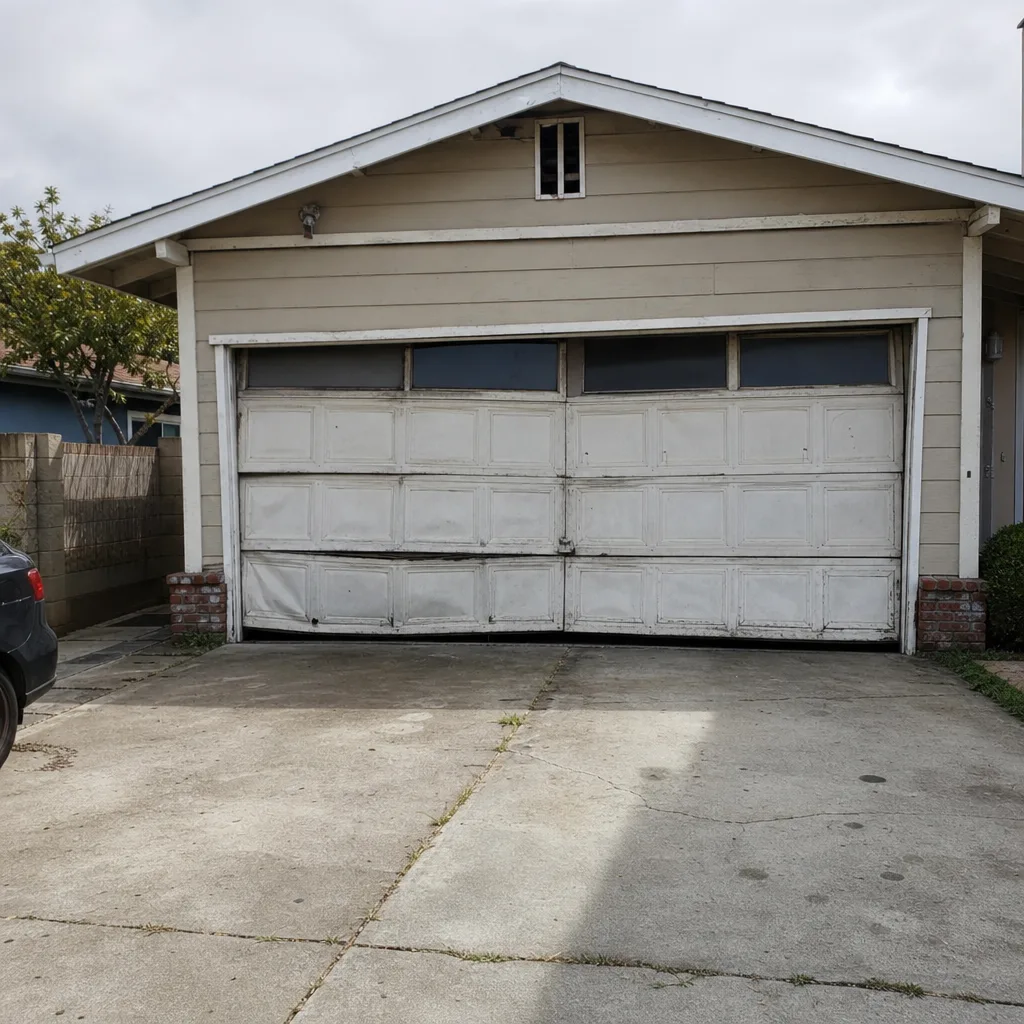 Before
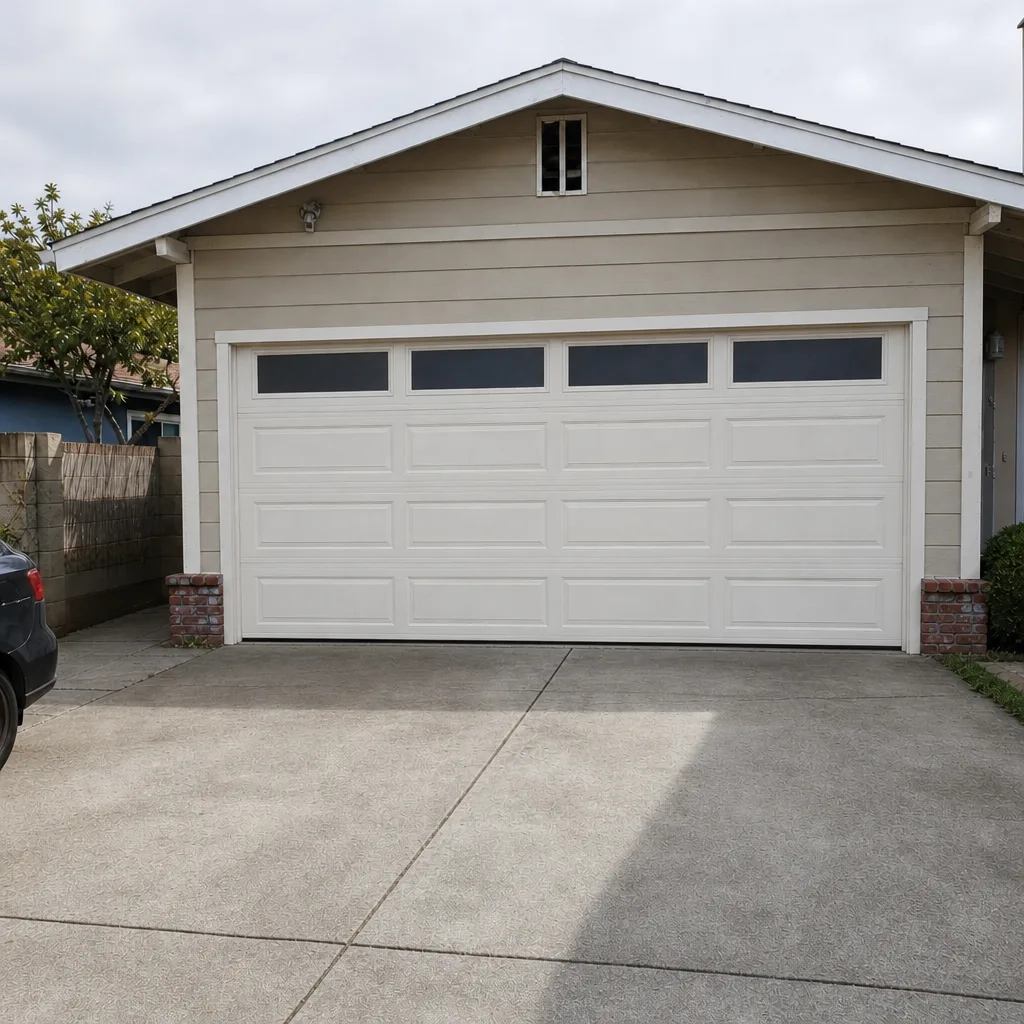 After
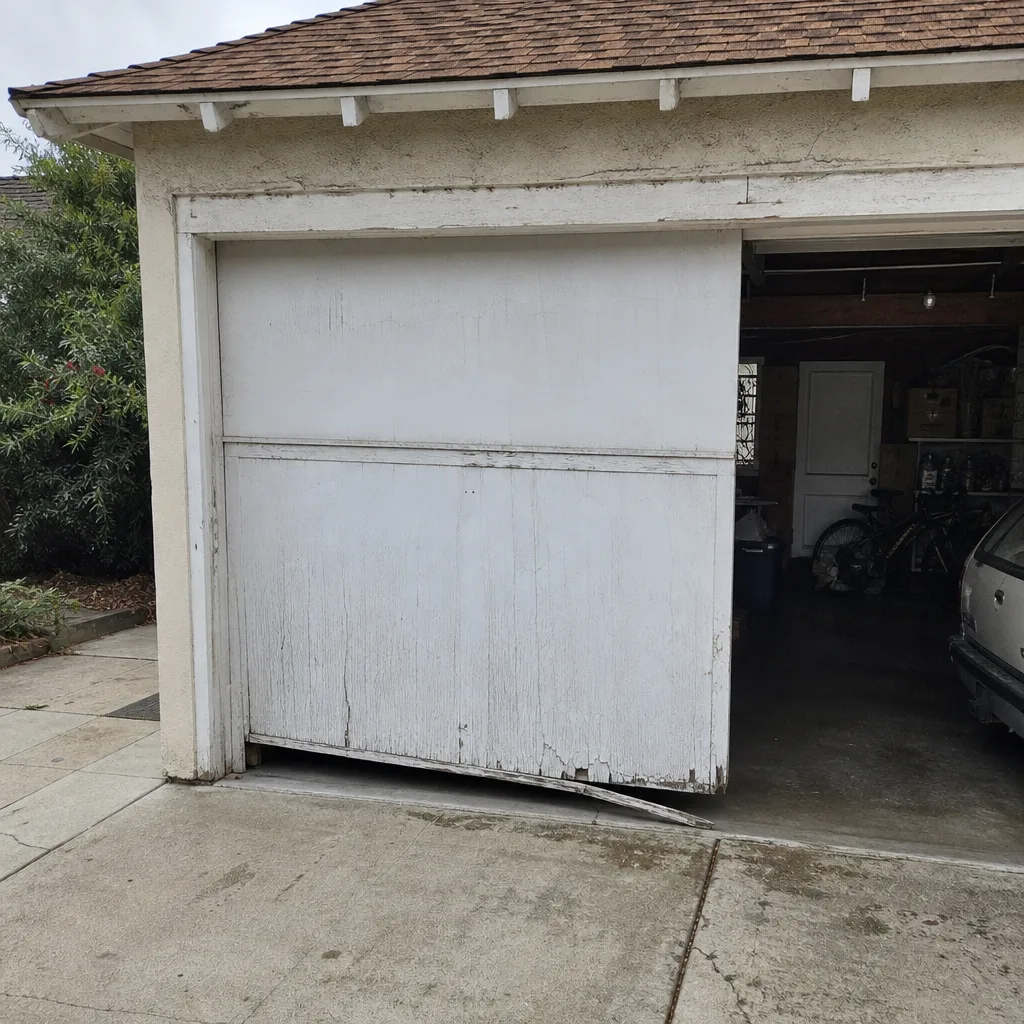 Before
 After
 Before
 After