
Last updated November 4, 2026
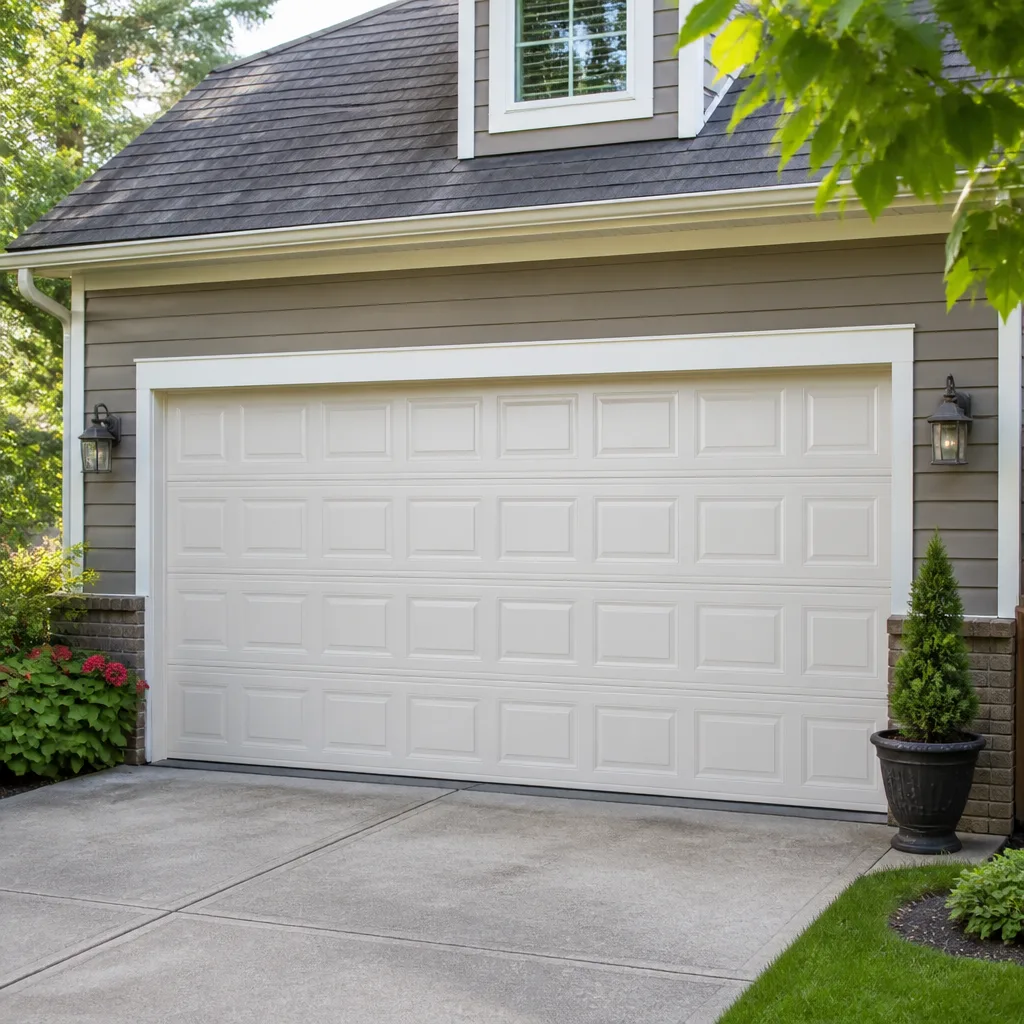 Raised-panel steel
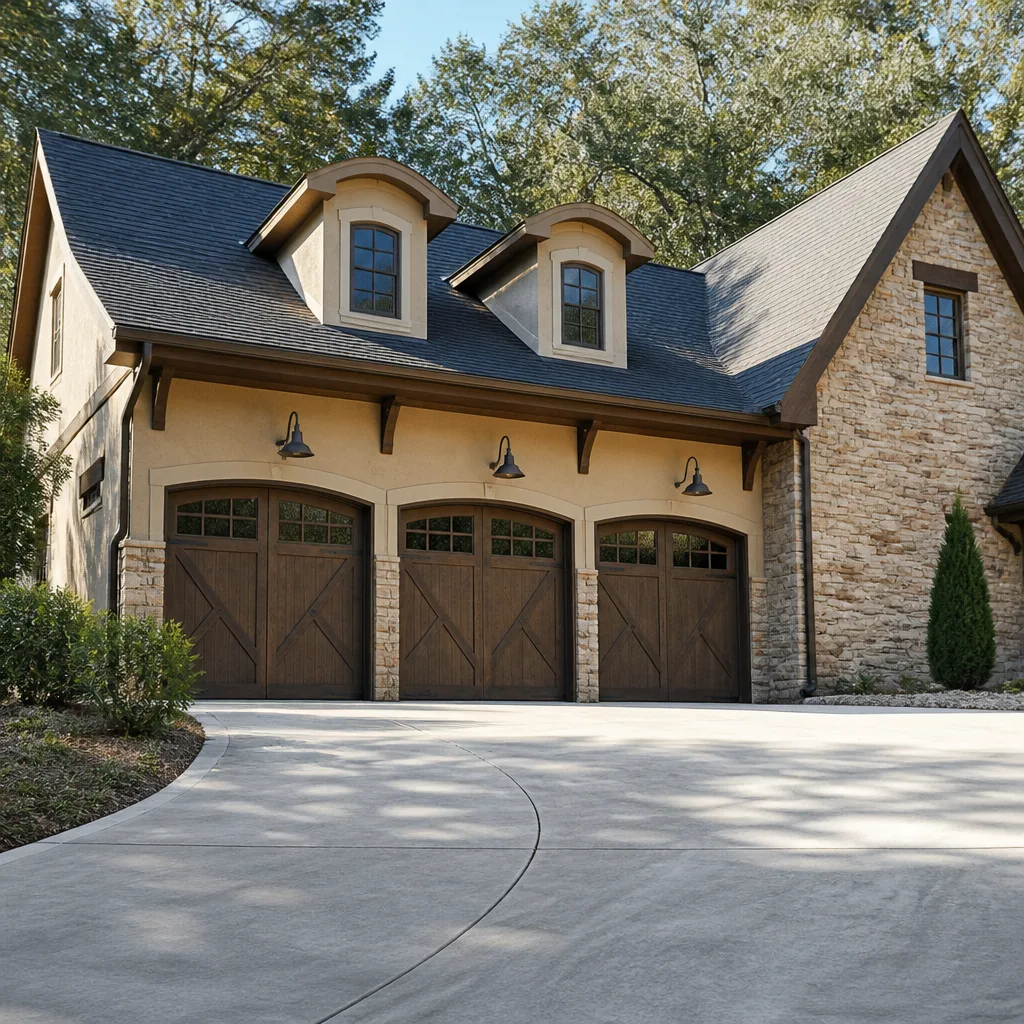 Carriage house
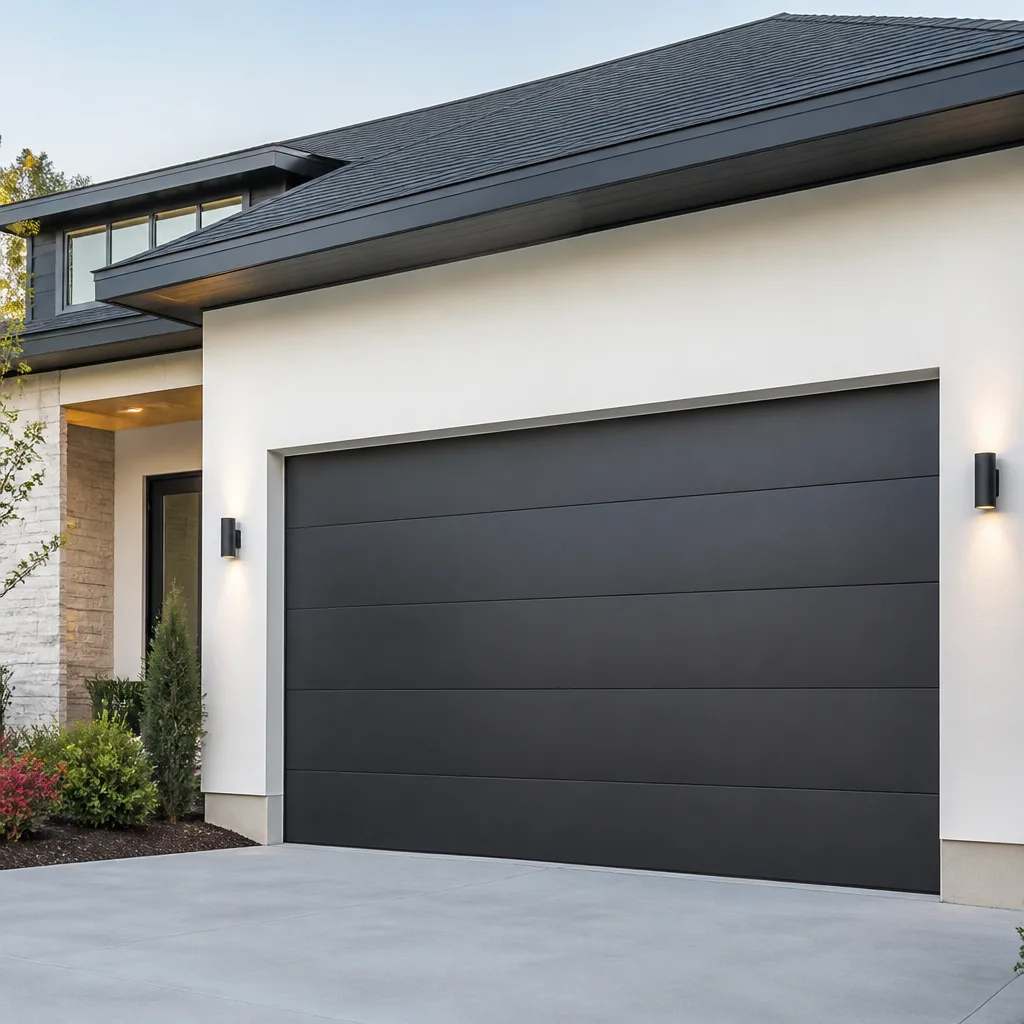 Modern flush
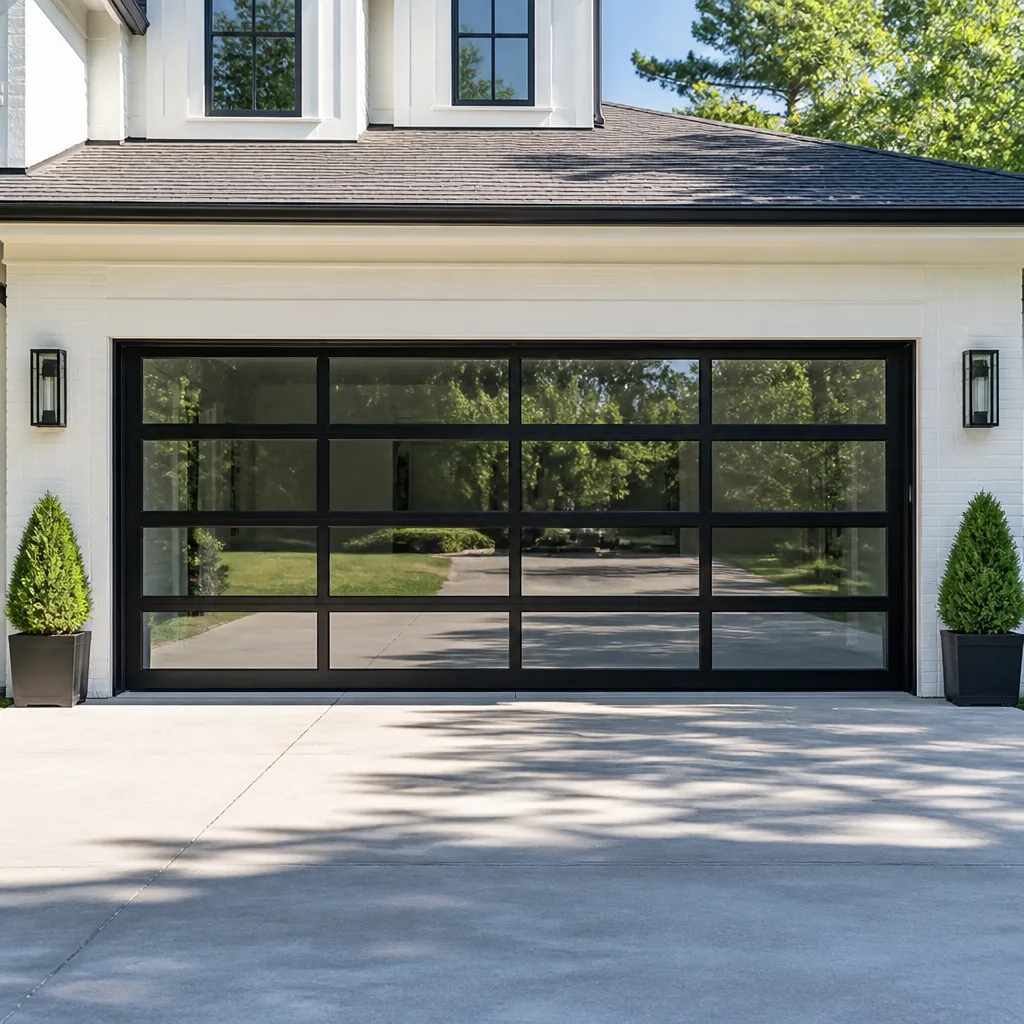 Full-view glass
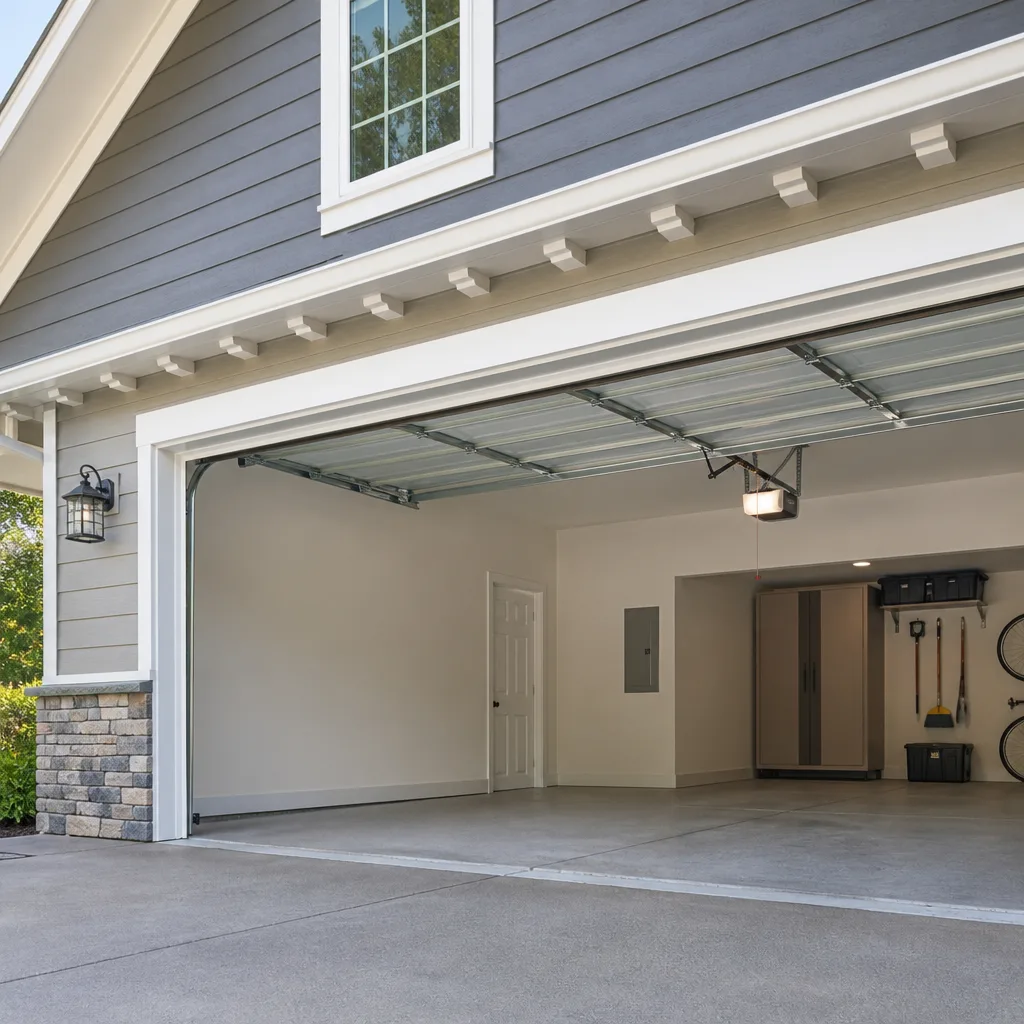 LiftMaster openers
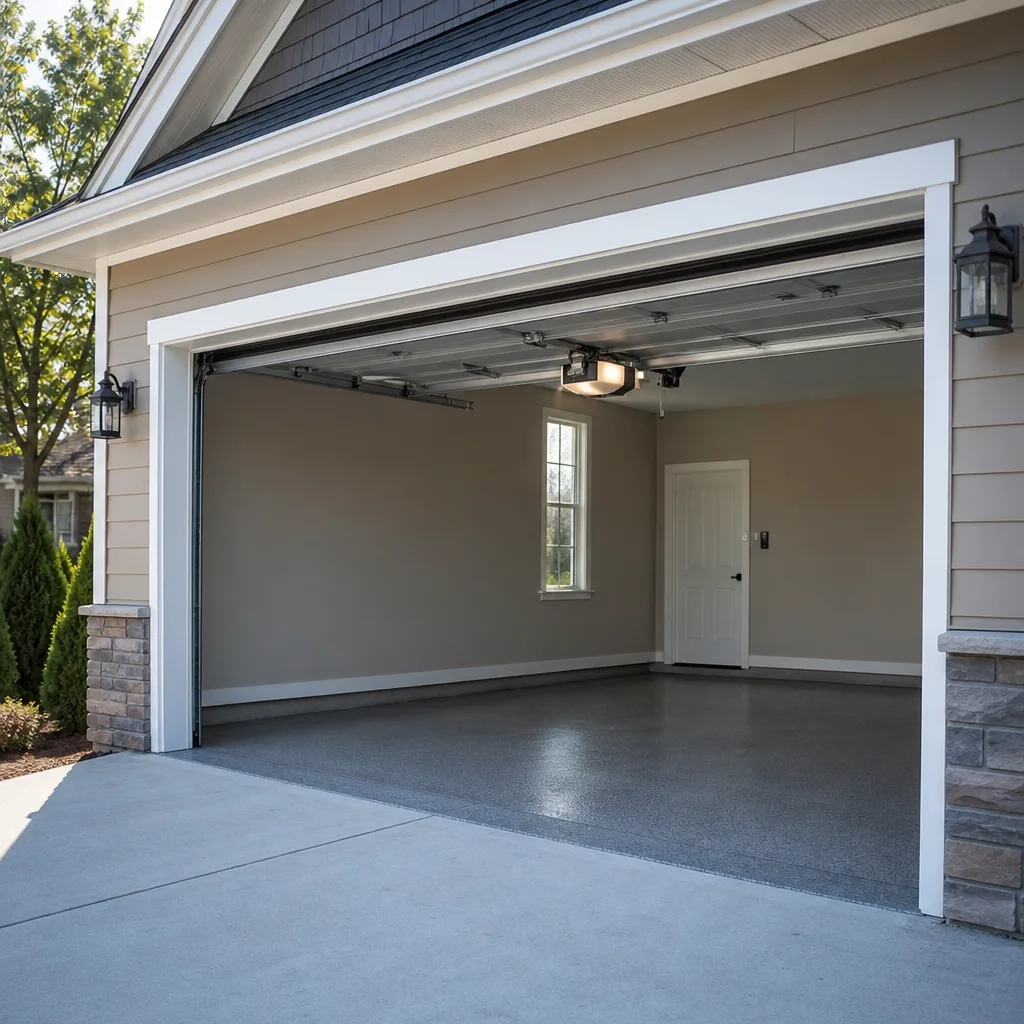 Chamberlain openers
Full 25-point door and opener safety check with every visit - springs, cables, rollers, tracks, and your LiftMaster or Chamberlain opener included
You get a price before we start. It does not change when the truck arrives.
Get your free estimateGarage Door Repair Maintenance Schedule: What to Do and When
Most maintenance advice you’ll find online reads like it was written for a garage in Ohio or Michigan. It tells you to lubricate twice a year and check your weather seal before winter. But a garage door in Alhambra lives a different life. Our dry summer heat pulls lubricant out of metal components faster than any freeze-thaw cycle ever could, and the Santa Ana winds deliver a fine, gritty dust that settles into tracks and hinges in ways coastal fog never does. This guide is built around what actually degrades here, in what order, and what to do about it before a fifteen-minute task becomes a full spring replacement.
Quick Answer
A garage door maintenance schedule in Alhambra should include a 20-minute visual and lubrication check every three months, a deeper inspection of springs and cables twice a year (before Santa Ana season in September and after winter dampness in March), and a battery and sensor test on your opener every six months. If you do nothing else, lubricate your rollers, hinges, and springs in early September and again in late April to counteract Southern California’s dry heat.
Styles & brands we work with
- Raised-panel steel
- Carriage house
- Modern flush
- Full-view glass
- LiftMaster openers
- Chamberlain openers
Table of Contents
- Why Alhambra’s Climate Changes the Schedule
- The Monthly 10-Minute Check
- The Quarterly 20-Minute Service
- Pre-Santa Ana Inspection (September)
- Post-Summer Lubrication (October)
- Winter Dampness Check (January – February)
- Spring Tune-Up (March – April)
- Opener Battery and Backup Checks
- Common Mistakes to Avoid
- When to Call a Professional
- Frequently Asked Questions
Why Alhambra’s Climate Changes the Schedule
Alhambra sits inland enough that summer temperatures regularly climb into the 90s, but close enough to the coast that winter brings cool, damp mornings from the marine layer. That combination creates a maintenance rhythm that generic guides miss. Dry heat accelerates the breakdown of petroleum-based lubricants, which thin out and drip away or harden into a gummy residue. Then the Santa Ana winds, typically arriving in the fall, push fine dust and grit into every moving part. A door that ran quietly in July can sound like it’s grinding gravel by November.
We’ve worked on doors throughout Alhambra, from the streets near Almansor Park to the hillside homes above Main Street, and the pattern is consistent: neglected lubrication in late summer is the single most common cause of premature roller and hinge wear. The fix is not complicated. It’s a matter of timing and using the right product.
What Actually Wears Out in Alhambra
- Rollers – Nylon rollers last longer than steel, but both fail faster when lubrication breaks down and dust acts as an abrasive.
- Hinges – The hinge where the door bends most (usually the top panel) takes the most stress and is often the first to seize.
- Springs – Torsion springs lose tension gradually over thousands of cycles. Dry heat does not cause springs to snap, but a dry spring with surface rust is a warning sign.
- Cables – Fraying is what you watch for. A cable that looks fuzzy near the bottom bracket needs professional attention.
- Weather seal – The rubber strip along the bottom dries out and cracks in prolonged heat, then lets winter moisture and dust underneath.
The Monthly 10-Minute Check
You don’t need tools for this one. Once a month, stand inside the garage with the door closed and run through this list. It catches small problems before they become expensive garage door repair jobs.
- Listen. Open and close the door once. A smooth, even sound is what you want. Grinding, squealing, or a rhythmic thump means something is dry, loose, or out of alignment.
- Watch the cables. Both sides should move evenly. If one side lags or the door hesitates at any point, note it.
- Look at the brackets. The hinges and brackets that connect panels to the track should be tight. You can’t fix a loose bracket on a spring-loaded door safely, but you can spot it early.
- Test the auto-reverse. Place a roll of paper towels flat on the floor under the door. Close it. The door should reverse when it contacts the roll. If it doesn’t, stop using the opener and call a technician.
- Check the seal. Run your hand along the bottom rubber seal. Cracks, brittleness, or gaps mean it’s time for a replacement.
This routine takes about ten minutes and requires no lubricant, no ladder, and no risk. It’s the highest-value maintenance you can do on a regular basis.
The Quarterly 20-Minute Service
Every three months, add lubrication and a few slightly more involved checks. In Alhambra’s climate, quarterly lubrication is more appropriate than the “twice a year” advice written for humid regions. The dry air simply pulls moisture out of lubricants faster.
What to Lubricate (and What Not to Touch)
- Rollers – Use a silicone-based spray or a white lithium grease. Avoid WD-40 as a lubricant; it’s a solvent and will strip existing lubrication.
- Hinges – A light application of silicone spray at each pivot point.
- Springs – Torsion springs need a thin coat of lubricant to prevent surface rust. Spray along the length of the spring, not just one spot.
- Track – Do not lubricate the track. The rollers need friction against the track to spin properly. A greasy track collects dust and causes the rollers to slide instead of roll.
Lubricants That Hold Up in Heat
Cheap aerosol sprays gum up fast in California sun. Heat causes the solvent carrier to evaporate and leaves behind a sticky residue that attracts dust. We recommend silicone-based lubricants or white lithium grease specifically rated for metal-on-metal contact in high-temperature conditions. These products stay put through 100-degree afternoons and don’t break down into the tacky film that makes doors bind in October.
After lubricating, run the door through two full cycles to distribute the lubricant evenly.
Pre-Santa Ana Inspection (September)
Santa Ana winds in Alhambra arrive most often between September and November. They bring two problems for garage doors: airborne dust that infiltrates every mechanism, and pressure changes that can cause a poorly sealed door to rattle or shift. Spend thirty minutes in early September preparing.
- Check and clean the tracks. Wipe the interior of the track with a dry cloth. Remove any visible grit. Do not use water, which can promote rust.
- Inspect the bottom seal. A compromised seal lets dust and fine debris blow under the door, coating everything you store inside with a layer of grit.
- Tighten what you can reach safely. With the door closed, check the bolts on the track brackets where they mount to the wall. A loose bracket allows the track to flex in high wind, which causes the door to bind.
- Lubricate hinges and rollers. The pre-wind season is not the time to skip lubrication. A well-lubricated door resists dust adhesion better than a dry one.
- Run a balance test. Pull the manual release cord (with the door closed) and lift the door to waist height. It should stay put or move slowly. A door that drops or shoots up has a spring tension problem.
This is the single most important seasonal check for Alhambra garages. The wind season is predictable, and so are the failures that follow it.
Post-Summer Lubrication (October)
By late October, the summer heat has done its work. Lubricant applied in April has thinned, evaporated, or broken down. The dust from early Santa Ana events has settled into hinges and roller bearings. This second full lubrication of the year resets the door before the cooler, damper winter months.
Use a silicone-based spray on hinges and rollers, and a light coating of white lithium grease on the torsion spring. Run the door twice to distribute. Listen for any change in sound. A door that was quiet after the September service but now sounds dry is telling you something: either the lubricant is the wrong type for Alhambra’s conditions, or there’s mechanical wear that lubrication alone won’t fix.
If you have a Genie or Chamberlain opener, this is also a good time to check the opener’s rail. A dry rail makes the opener work harder and shortens its life. Apply a thin coat of white lithium grease to the rail and run the opener through a full cycle. Older Craftsman and LiftMaster chain-drive models benefit from this treatment especially, since chain slack combined with a dry rail is a common source of jerky operation.
Winter Dampness Check (January – February)
Alhambra winters are mild, but the marine layer brings cool, damp mornings from December through February. Metal parts that sat in that moisture overnight can develop light surface rust, particularly on springs and cables. The dampness also affects wood and composite doors, which can swell slightly and change how the door seats against the frame.
What to Check in Winter
- Springs for surface rust – Light rust on a torsion spring is cosmetic, but it signals that lubrication has worn off. Reapply a thin coat. Heavy rust or visible pitting means the spring is aging and should be evaluated.
- Cables for fraying – Use a flashlight to inspect the cables where they meet the bottom bracket. Fraying here is the most common cable failure point. Never touch a cable under tension.
- Bottom seal for drying – The rubber seal cracks over repeated heat-cool cycles. Winter is when gaps become obvious because you’ll feel cold air and see light under the door.
- Opener force settings – A door that moves stiffly in damp weather may need more force from the opener to close. If the opener reverses for no apparent reason, the force setting or the door balance needs attention.
Winter is also the season when we see the most calls for garage door opener repair in Alhambra. Cold, damp mornings cause electrical contacts to behave unpredictably, and openers that are ten years or older often struggle. If your opener makes a clicking sound but doesn’t move the door, that’s a capacitor or logic board issue, not a door problem.
Spring Tune-Up (March – April)
Once the damp mornings fade and temperatures start climbing, the cycle begins again. The spring tune-up is the most comprehensive maintenance of the year, and it’s the one where professional help makes the most sense. A technician can check spring tension safely, measure door balance precisely, and inspect components you can’t reach without risk.
We recommend a professional tune-up in March or April for every garage door in Alhambra, regardless of brand. Clopay, Amarr, and Wayne Dalton doors all have different hardware specs, and a technician who knows these systems can catch wear patterns specific to each brand. Our team at Garage Door Service Alhambra services all of them, along with Raynor doors, which are less common in Southern California but do appear in older Alhambra homes near the downtown area.
What a Spring Tune-Up Includes
- Full balance test with the springs tested under tension
- Inspection of all rollers, hinges, and brackets, with worn parts flagged for replacement
- Lubrication with heat-stable, dust-resistant products
- Opener force and travel limit calibration
- Safety sensor alignment and auto-reverse test
- Weather seal condition check and replacement recommendation
For most Alhambra homeowners, a spring tune-up combined with the quarterly lubrication you do yourself is enough to keep a door running smoothly for a decade or more.
Opener Battery and Backup Checks
Older Alhambra neighborhoods, particularly the streets with mature trees and overhead utility lines, see more frequent brownouts than newer developments. A brief power dip is usually harmless, but it can reset the travel limits on an opener, causing the door to reverse at the wrong point or slam at the bottom of travel.
Twice-Yearly Opener Checks
- Test the battery backup – If your opener has a battery backup, unplug the opener and operate the door once. The battery should lift the door slowly but completely. If it struggles, replace the battery. Most backup batteries last two to three years.
- Check the safety sensors – The two units near the floor on either side of the door should have solid lights. A blinking light means misalignment or obstruction. Wipe the lenses clean with a dry cloth.
- Re-test auto-reverse – The paper towel roll test mentioned earlier should be done again. This is a safety feature, not a convenience feature.
- Inspect the remote and wall button – Weak or intermittent operation often means a dying battery in the remote, which is a ninety-second fix.
If you have a Chamberlain, LiftMaster, or Genie smart opener with Wi-Fi, also check that the app still connects and that firmware updates haven’t reset your settings. We’ve seen several cases in Alhambra where a firmware update altered the travel limits and caused a door to reverse unexpectedly. The fix is simple if caught early.
Common Mistakes to Avoid
- Skipping lubrication because “it worked last year.” Alhambra’s dry heat breaks down lubricant predictably. A door that ran fine for two years suddenly seizes because the lubrication quietly disappeared. Quarterly is the right interval here, not annually.
- Using WD-40 as a lubricant. WD-40 is a solvent and water displacer. It strips existing lubrication and evaporates fast in heat. Use silicone spray or white lithium grease.
- Lubricating the track. The track should be clean and dry. Grease on the track collects dust and causes the rollers to slide instead of roll, which accelerates flat-spotting.
- Ignoring a change in sound. A door that gets louder over time is telling you something. Grinding usually means dry or worn rollers. Squealing means dry hinges. A loud bang is almost always a spring failure, and you should call a local Alhambra technician immediately.
- Disconnecting the opener for a manual-lift balance test without knowing how to reconnect. The manual release cord disengages the door from the opener. If you don’t re-engage it properly, the door can crash down on the next opener use.
- Attempting spring or cable work yourself. Torsion springs and lift cables are under extreme tension. One wrong move with a winding bar can cause serious injury. This is the one repair that should always go to a trained professional.
When to Call a Professional
Some maintenance tasks are genuinely safe for a homeowner. Others are not. If you see fraying cables, a visibly worn or rusted spring, a door that sits crooked when closed, or a door that reverses for no reason, stop using the door and call for service. These are not tune-up items. They’re failure warnings.
Spring tension work, cable replacement, and panel replacement all require specialized tools and training. The risks are real. Garage Door Service Alhambra offers free estimates in Alhambra. Call (833) 620-4887 and we’ll assess what’s needed. We answer 24/7. Fast dispatch from 7am to 7pm, Sunday through Friday.
Frequently Asked Questions
Every three months is the right interval for Alhambra’s dry climate. The heat pulls moisture out of lubricant faster than humid regions, so quarterly application of a silicone-based spray on rollers and hinges and white lithium grease on the spring keeps everything protected. Skip the cheap aerosol sprays; they gum up in the heat.
The pre-Santa Ana inspection in September matters more than anything else because it prepares the door for the dust and wind that define fall in this area. A clean, well-lubricated door resists the abrasive grit that causes most premature wear.
Yes, the monthly check and quarterly lubrication are safe for a homeowner. What’s not safe is anything involving the springs or cables, which are under extreme tension. If you’re unsure, err on the side of calling a technician rather than risking injury.
Standard torsion springs are rated for about 10,000 cycles, which translates to roughly seven to ten years of normal use for most Alhambra homeowners. Dry heat doesn’t shorten the spring’s cycle life directly, but surface rust from winter dampness can indicate that lubrication has failed, and that accelerates fatigue.
Usually, the travel limit setting has drifted or the door has become harder to move and the opener’s force sensor is detecting resistance. Dirty tracks, worn rollers, or a dry opener rail can all cause it. Start with lubrication, then check the sensors. If it persists, the door balance or the opener itself needs professional attention.
We service every major brand, including Clopay, Amarr, Wayne Dalton, Raynor, Genie, Chamberlain, LiftMaster, and Craftsman. Our technicians are brand-agnostic, which means we repair the system you have rather than pushing a replacement. A free estimate is always available at (833) 620-4887.
The Bottom Line
A garage door in Alhambra rewards consistent, well-timed attention more than it rewards expensive products or elaborate systems. Ten minutes a month, twenty minutes every quarter, and two thirty-minute seasonal inspections are enough to keep most doors running for a decade or more. The keys are using the right lubricant for heat, paying attention to sound changes, and knowing which tasks belong to a technician. Get the schedule right and you’ll rarely deal with a breakdown at all.
Written by the team at Garage Door Service Alhambra, serving Alhambra since 2015.
See the difference
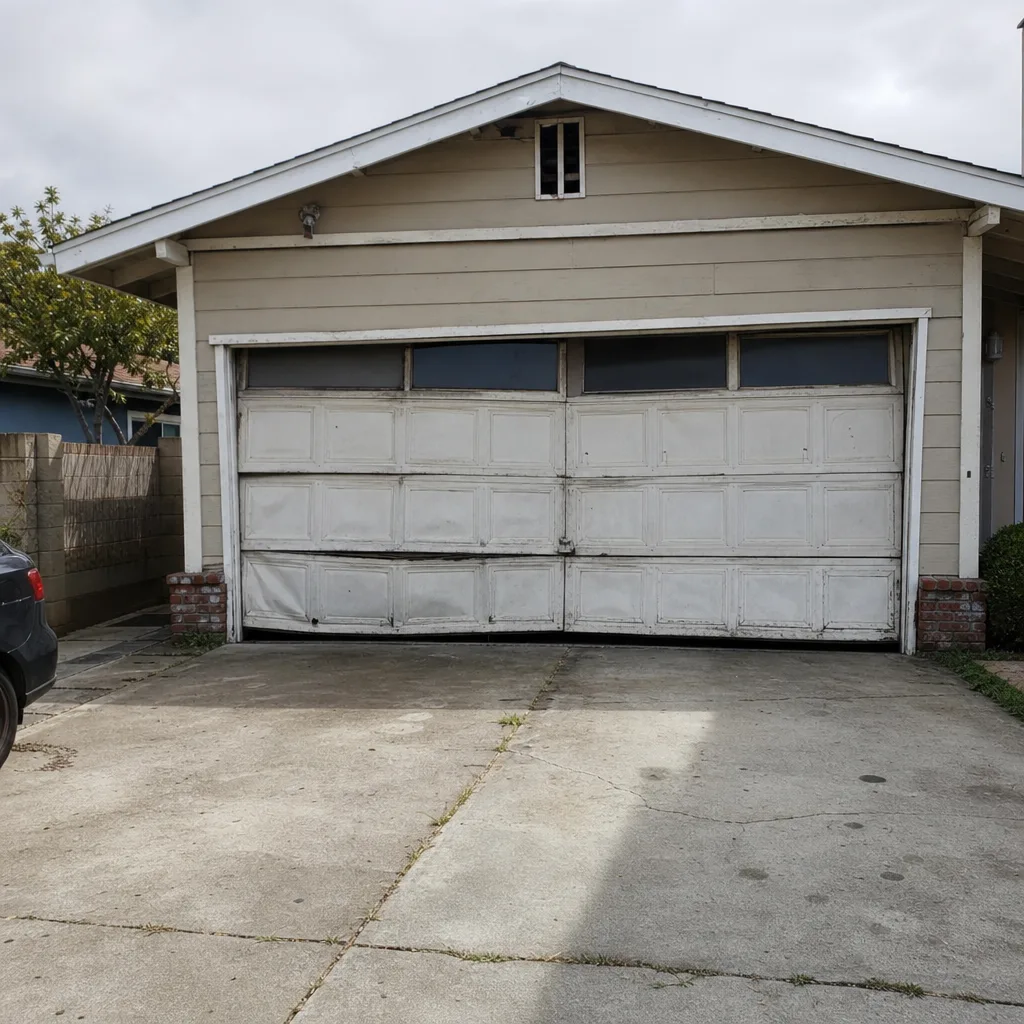 Before
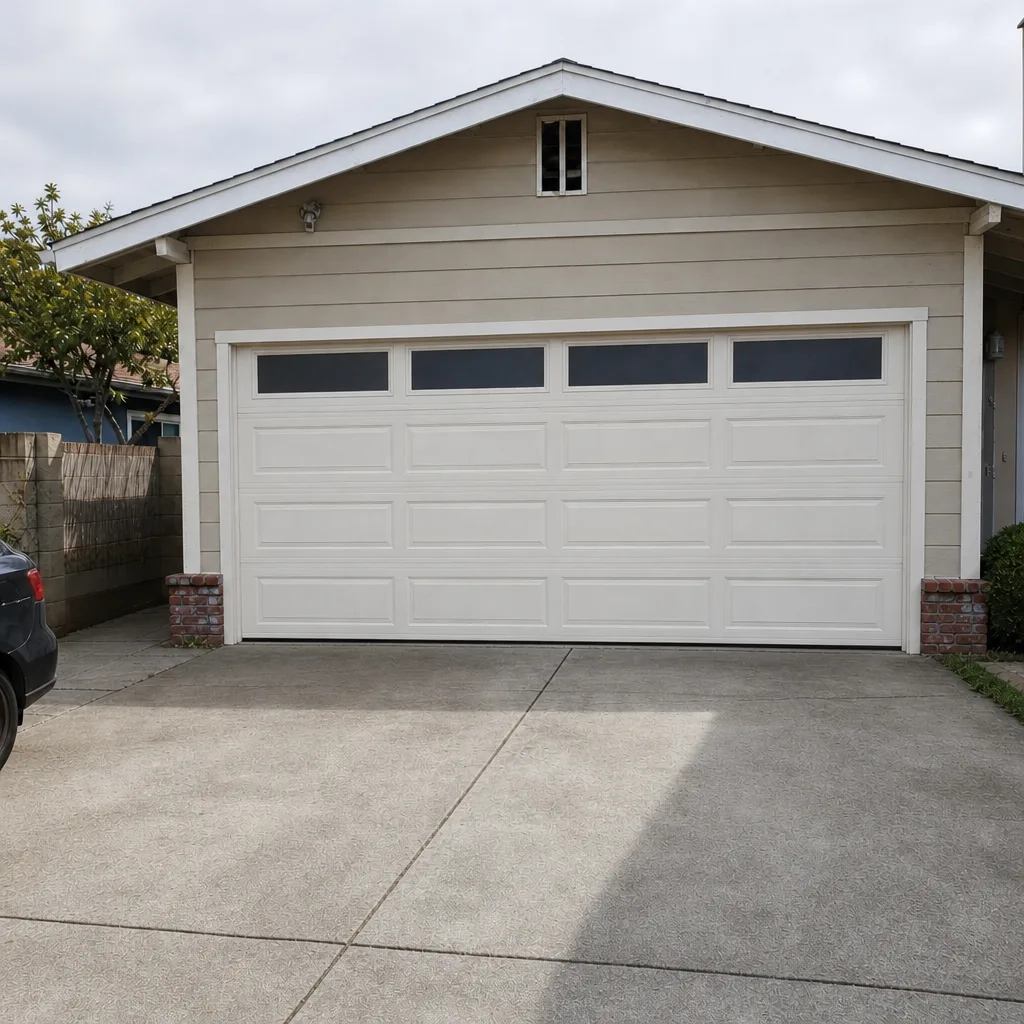 After
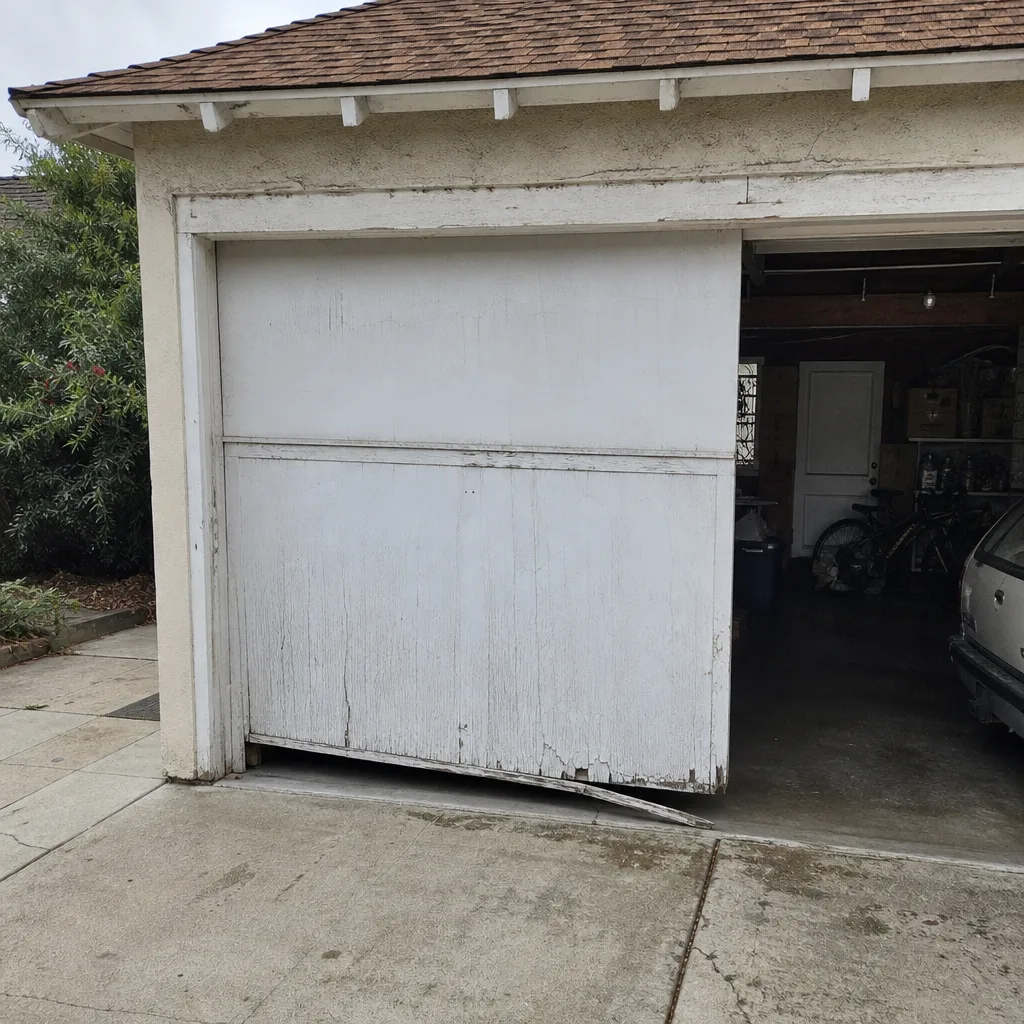 Before
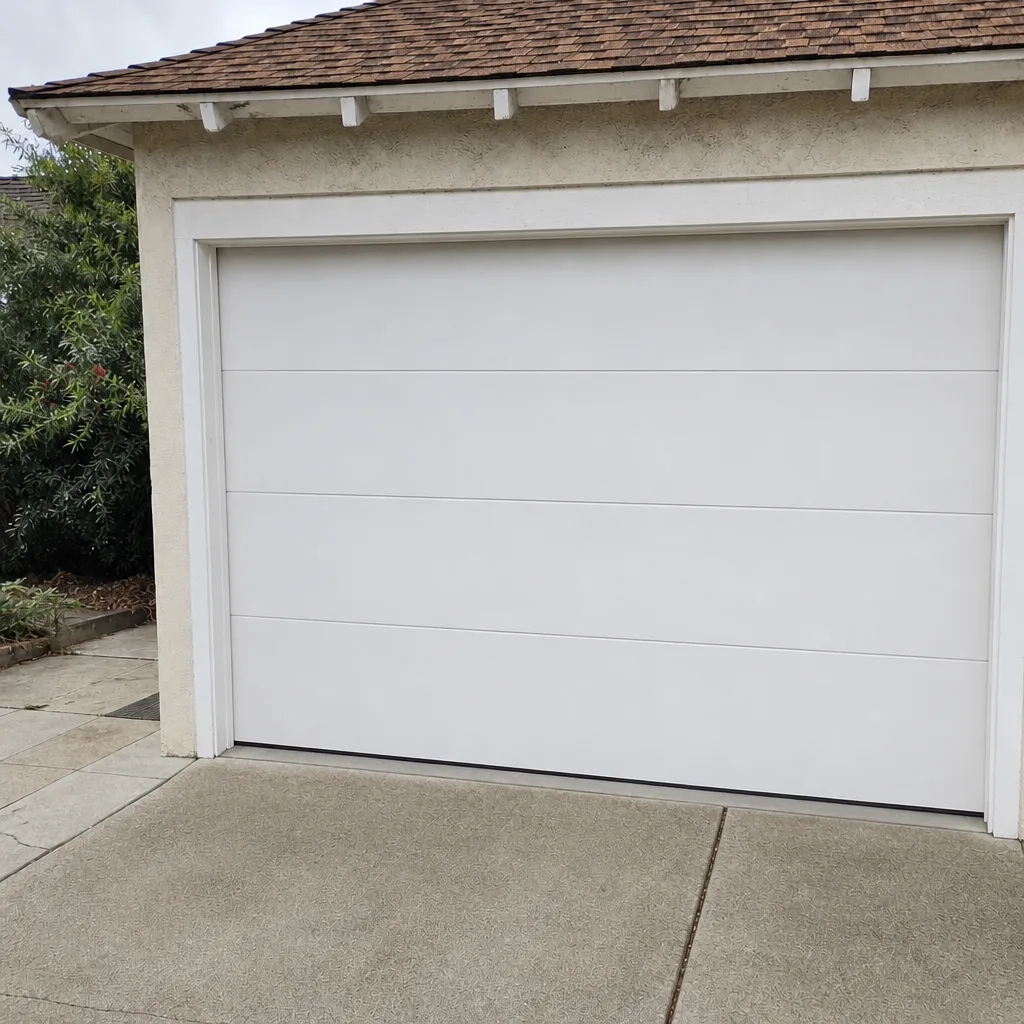 After
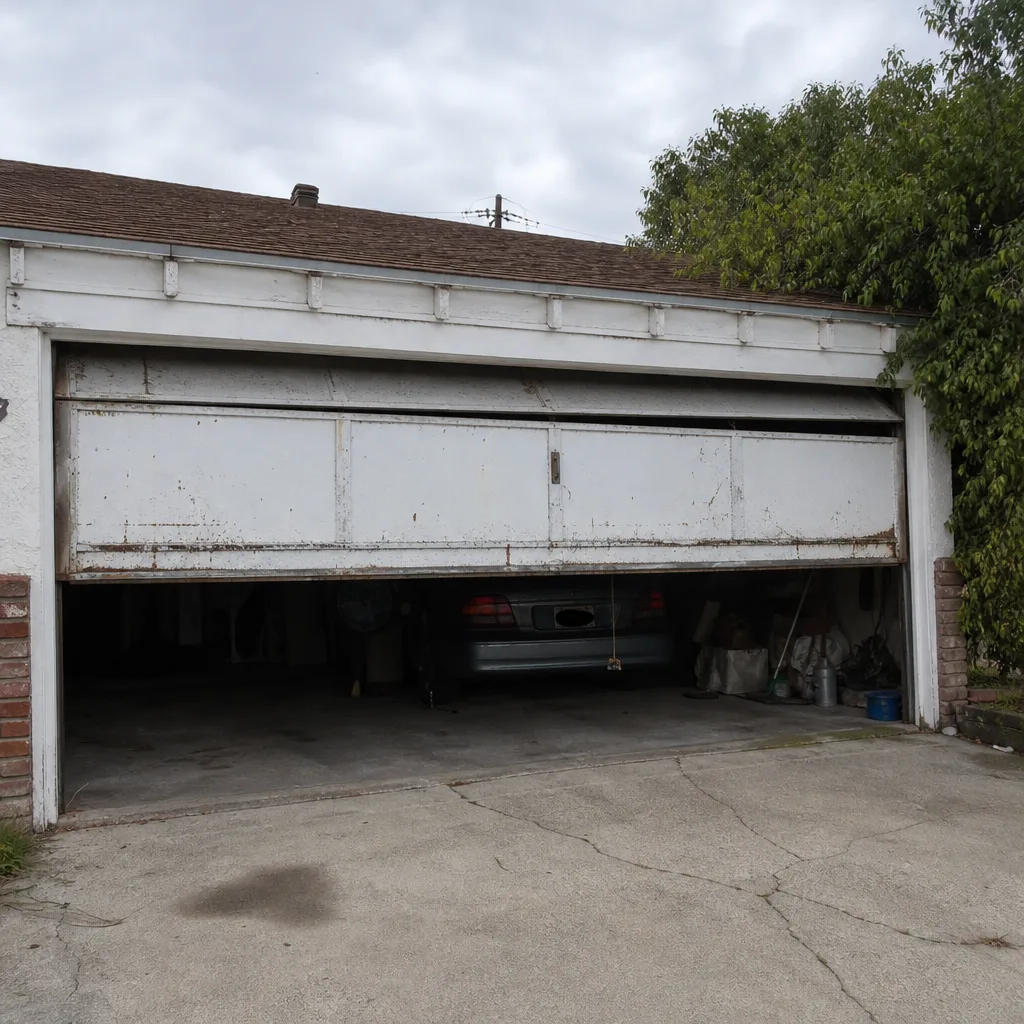 Before
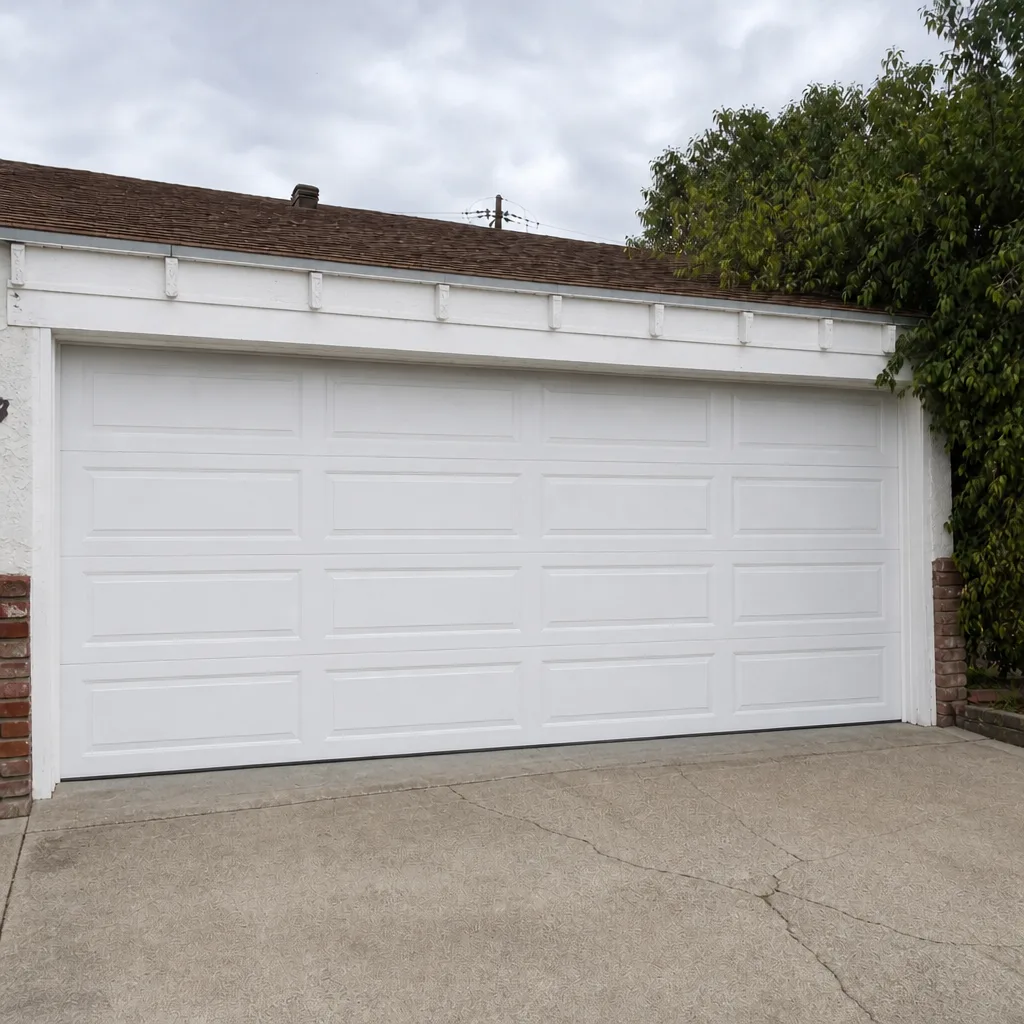 After