
Last updated November 4, 2026
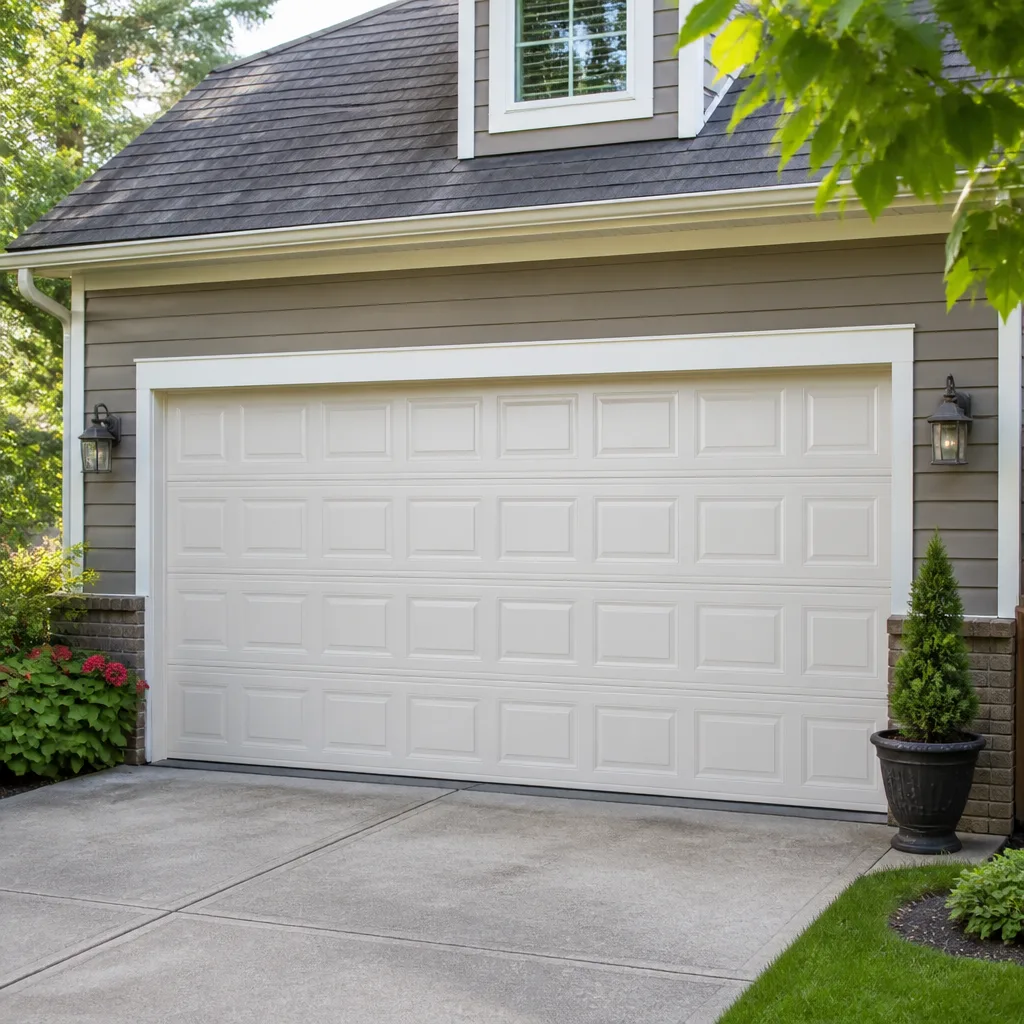 Raised-panel steel
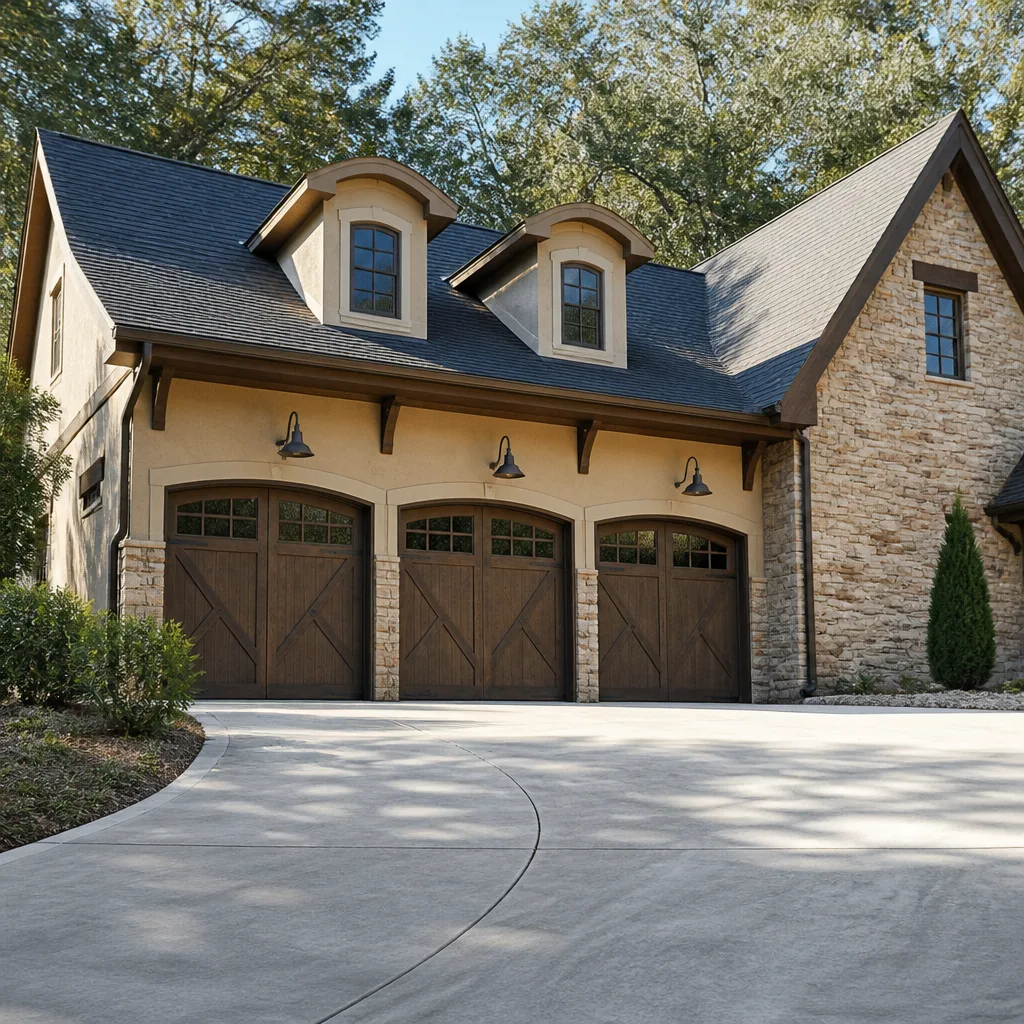 Carriage house
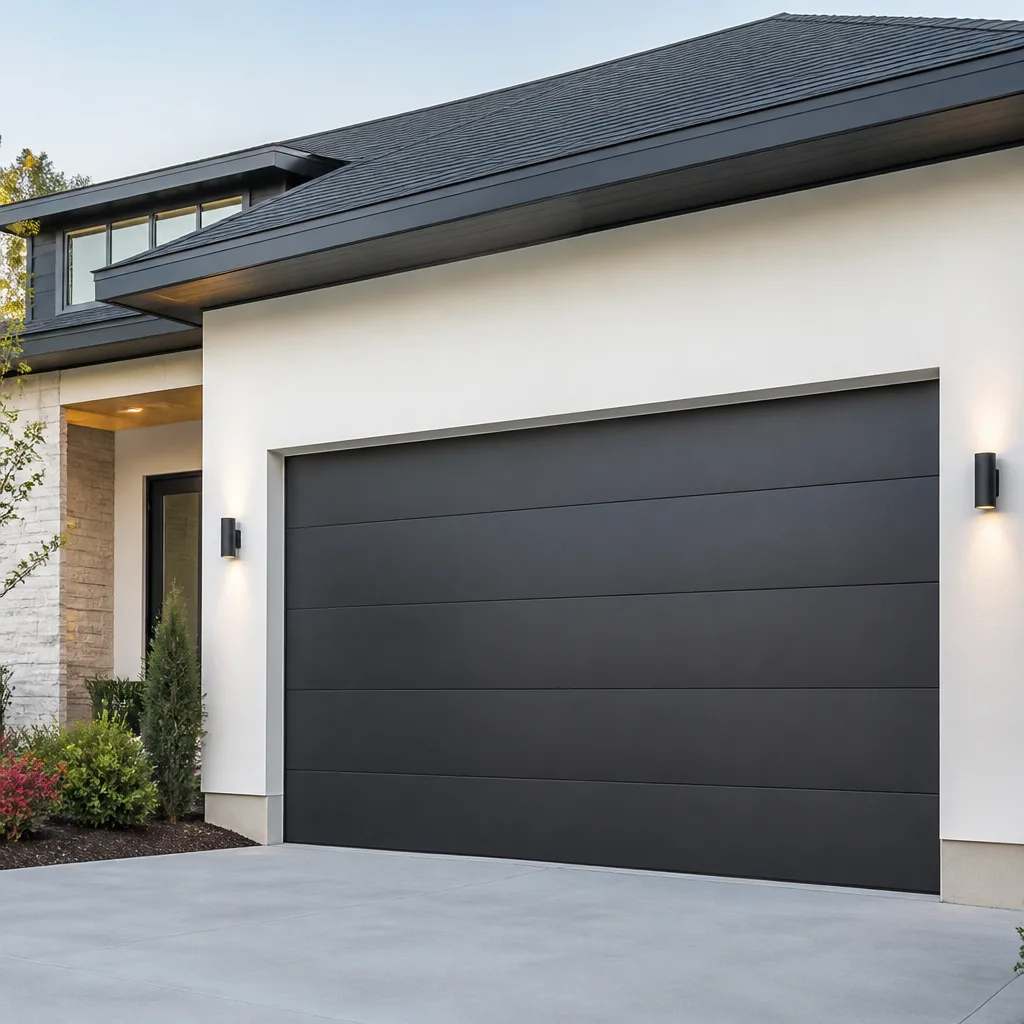 Modern flush
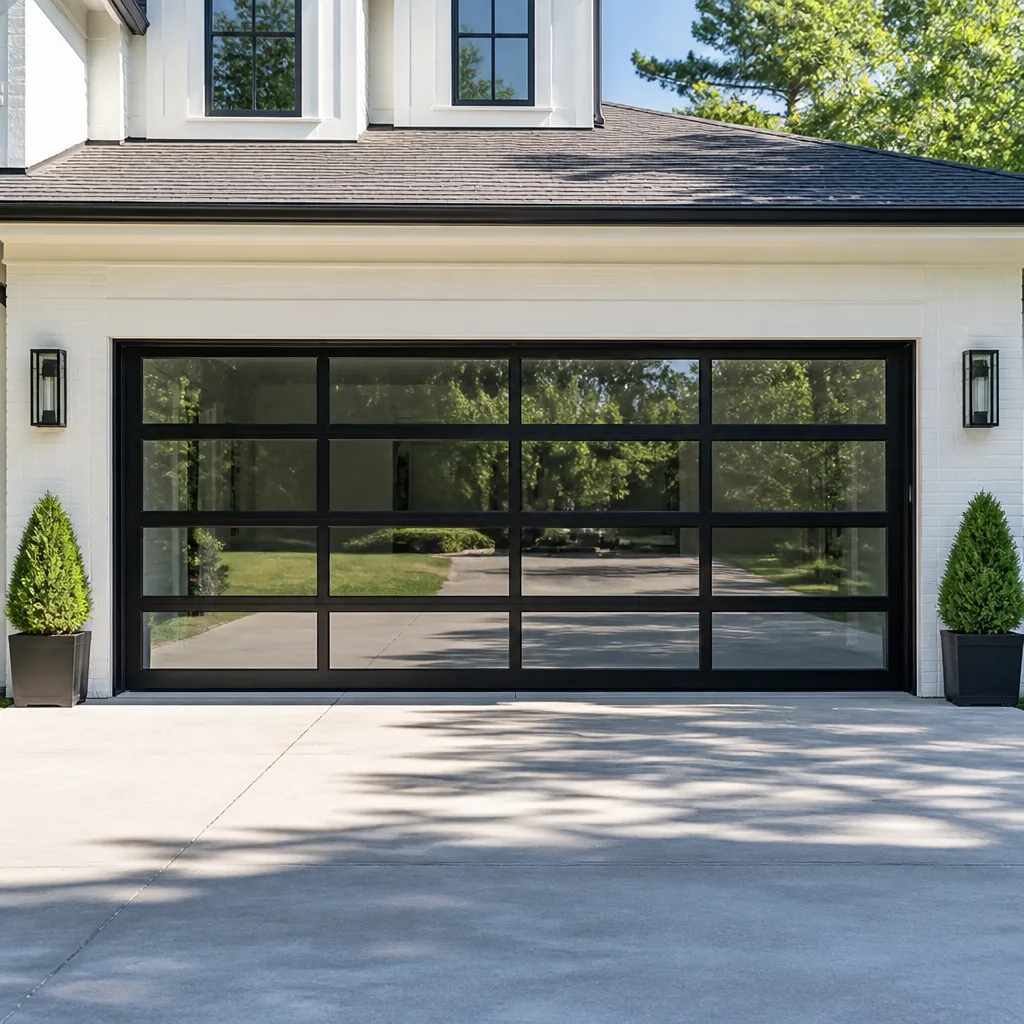 Full-view glass
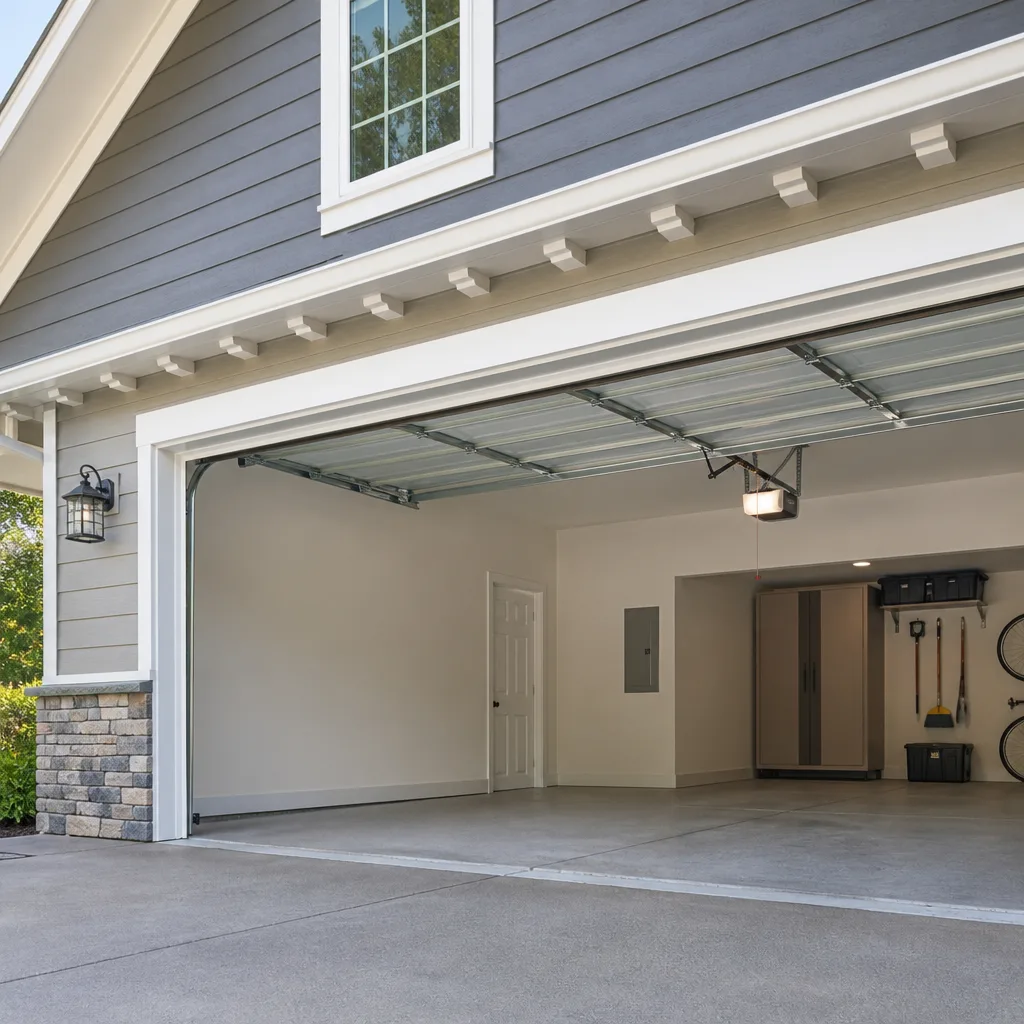 LiftMaster openers
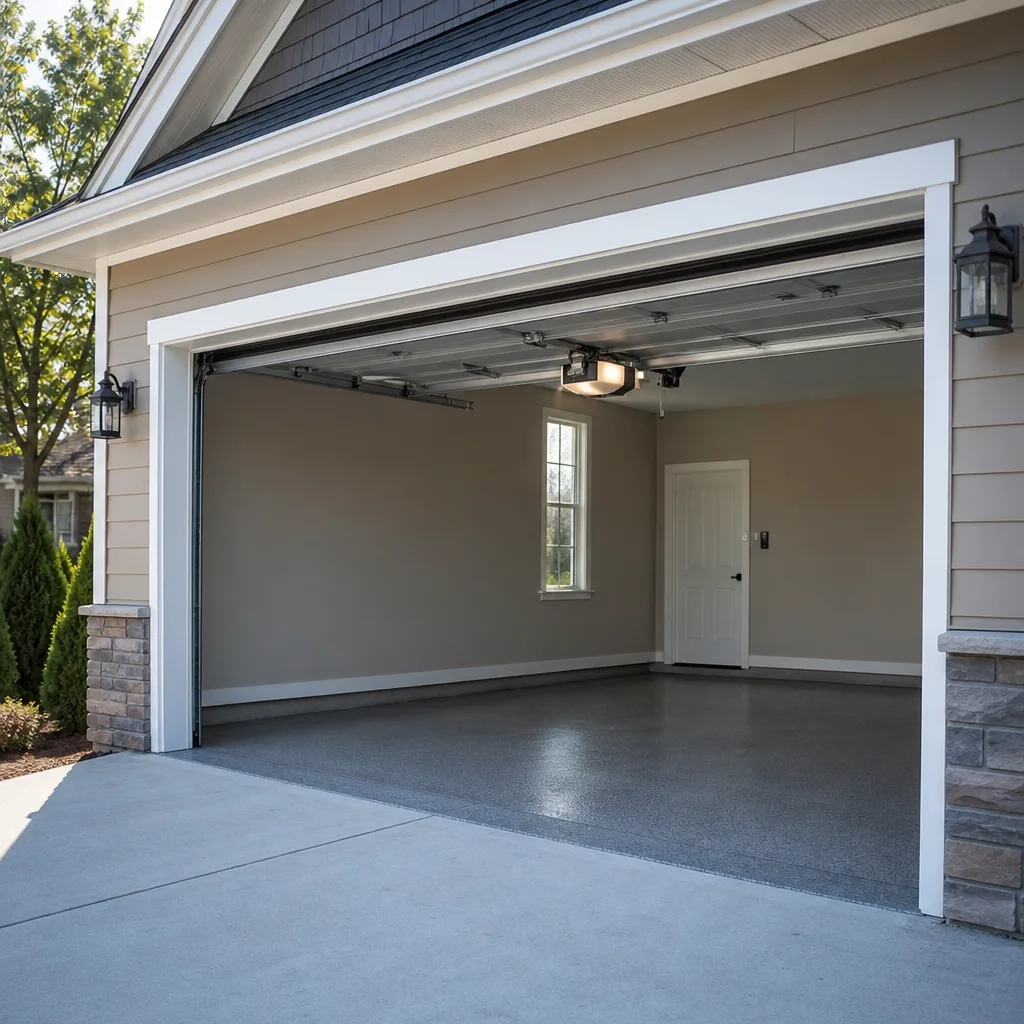 Chamberlain openers
Full 25-point door and opener safety check with every visit - springs, cables, rollers, tracks, and your LiftMaster or Chamberlain opener included
You get a price before we start. It does not change when the truck arrives.
Get your free estimateGarage Door Repair Troubleshooting in Alhambra: Common Problems and How to Fix Them
The number-one wasted service call we see in Alhambra is a homeowner who already bought replacement parts for the wrong component. They chased a symptom, not a system. A garage door has maybe a dozen core parts that actually fail, and most of them announce themselves in very specific ways. This guide walks through the symptom-to-component mapping, which fixes are genuinely safe to do yourself, which ones carry real injury risk, and how to test whether the problem lives in the opener or the door itself. If you live in Alhambra, where summer heat and cool nights put a particular kind of strain on springs and cables, this will save you time and money.
Styles & brands we work with
- Raised-panel steel
- Carriage house
- Modern flush
- Full-view glass
- LiftMaster openers
- Chamberlain openers
Quick Answer
Garage door troubleshooting in Alhambra starts with identifying the symptom: a grinding noise usually points to rollers or bearings, a jerky door usually points to spring tension or a bent track, and a door that reverses for no reason usually points to photo-eye alignment or a failing opener logic board. Test the door by pulling the manual release cord and lifting it halfway: if it stays put, the door hardware is balanced and the opener is the likely culprit. If it drops or rises, the springs or cables need attention. For anything involving springs, cables, or track brackets, call a professional.
Table of Contents
- Symptom-to-Component Mapping: Start With the Right Part
- How Alhambra’s Temperature Swings Affect Your Door
- What’s Safe to Fix Yourself in Alhambra
- What Not to Touch: Springs, Cables, and Track Brackets
- The Manual-Lift Test: Is It the Opener or the Door?
- The Intermittent Failure Diagnostic (Why Your Door “Works Sometimes”)
- Opener-Specific Troubleshooting: LiftMaster, Craftsman, and More
- Common Mistakes to Avoid
- When to Call a Professional
- Frequently Asked Questions
Symptom-to-Component Mapping: Start With the Right Part
Most troubleshooting guides start with a list of “10 common problems.” The issue is that the same symptom can come from three different components, and guessing wrong means buying a part you don’t need. Here’s the mapping we use in the field, organized by what you hear and what you see. This is the foundation of good garage door repair work: match the symptom to the system, then hunt down the specific failed part.
What You Hear: Noise Type Maps to Part
- Grinding or metal-on-metal scraping: Rollers are usually the culprit. Nylon rollers wear down over time, especially in Alhambra where heat hardens the bearings. If the grinding persists right after you replace rollers, check the hinges and the opener rail.
- Squealing or high-pitched whine: This almost always comes from the opener. If you have a belt-drive LiftMaster or Craftsman unit, the belt tensioner or the motor bearings are the likely source. A chain-drive opener that squeals usually needs the chain lubricated or re-tensioned.
- Loud bang or snap: A torsion spring just broke. This is a distinct sound, not a gradual squeak. If you hear this once and the door suddenly gets very heavy, the spring is gone. Do not attempt to fix it yourself.
- Rattling or loose clatter: Bolts and nuts have backed out of the hinge plates or the track mounting brackets. The door vibrates on every cycle, and over time the hardware works loose. This is common on wood doors and on homes near Fremont Avenue where older door frames have settled.
- Thumping at one spot in the cycle: One section of track is bent or misaligned. The roller hits that spot every time the door passes it. You can often see a slight gap or a shiny wear mark at the exact point of contact.
What You See: Movement Problems Map to Hardware
- Door jerks or shudders on the way up: Spring tension is uneven or one cable has stretched. The door is fighting itself. In Alhambra’s heat, extension springs lose tension unevenly over a single summer.
- Door stops halfway and reverses: The opener’s force setting is too low, or the door itself has become harder to lift because of worn rollers or dry bearings. Photo-eye misalignment can also cause this if the reversal happens right at the bottom of travel.
- Door closes unevenly, one side first: A cable has slipped on the drum or stretched. The door will tilt as it runs. This gets worse in the cooling months when metal parts contract slightly after the summer heat.
- Door opens a few inches then stops: The opener’s limit settings may be wrong, or the door encountered too much resistance and the force monitor kicked in. This is more common with older Genie and Chamberlain units in Alhambra garages that get very hot in the afternoon.
How Alhambra’s Temperature Swings Affect Your Door
Alhambra sits far enough inland that it gets genuinely hot in the summer, often into the 90s, and then cools down sharply at night. Those temperature swings do specific things to garage door hardware. Understanding this helps you diagnose problems before they become failures.
Steel expands when it’s hot and contracts when it cools. The torsion spring above your door is a coiled piece of steel under constant tension. Over the course of a single Alhambra summer, that spring expands and contracts hundreds of times. Each cycle works a tiny bit of fatigue into the metal. The spring doesn’t fail because of one dramatic event; it fails because ten years of Alhambra summers have worked through the metal’s fatigue life. When we replace a spring, we look at the door’s cycle rating and the age, and we know from the wear pattern whether the spring died of old age or an underlying balance issue.
Cables have a different problem. The steel cables that run up the sides of the door don’t carry much tension when the door is open. When it’s closed, they carry real load. The repeated tension and release, combined with the dry heat, makes cable strands fray at the drum where the cable wraps and unwraps. If you inspect your cables once a year, in the fall, you’ll usually see the fraying before it becomes a snapped cable. Look for individual strands poking out near the drum. That’s the warning sign we look for on every Garage Door Service Alhambra inspection.
Lubrication matters more in Alhambra than in coastal cities. The heat bakes the lubricant out of rollers and hinges, leaving them dry and grinding. A homeowner who lubricates their door twice a year will get noticeably longer life out of their rollers than one who doesn’t. The heat also hardens plastic parts, which is why older nylon rollers crack and chip. When a roller chips, the door runs rough, and the vibration shortens the life of every other part on the door.
What’s Safe to Fix Yourself in Alhambra
There’s a real list of garage door maintenance tasks that a competent homeowner can do safely, without specialist tools or risk of injury. Here’s what we tell our customers is fair game, and how to do it right.
- Lubricate the rollers, hinges, and springs. Use a white lithium or silicone-based garage door lubricant, not WD-40. WD-40 is a solvent and will strip whatever lubrication is left. Spray the roller bearings, the hinges, and a light coat on the spring. Do this twice a year. In Alhambra’s heat, the lubricant dries out faster than the manufacturer’s schedule might suggest.
- Check and tighten bolts. With the door closed, go around with a socket set and check every bolt and nut on the hinges, the track brackets, and the opener rail. They loosen over time from vibration. Don’t overtighten; snug is enough. You’re preventing rattles and keeping the track aligned.
- Clean and align the photo-eye sensors. The sensors at the bottom of each track get dusty and drifted out of alignment. Wipe the lenses with a dry cloth. Check that both small LED lights are solid, not blinking. If one blinks, adjust the sensor until the light goes solid. This fixes most “door won’t close” and “door reverses for no reason” calls.
- Test the balance with the manual release. Pull the red release cord, which disengages the opener from the door. Lift the door by hand. It should move smoothly and stay put about halfway up. This test tells you whether the springs are doing their job. It’s the single most useful diagnostic tool in this whole guide, and we’ll cover it in detail below.
- Inspect the cables, rollers, and track for visible wear. This isn’t really a fix, it’s a diagnostic. But it’s safe and smart. Look for frayed cables, cracked rollers, and bent track. You’re not going to fix any of these yourself, but catching them early means a smaller repair bill later.
Every one of these is genuinely low-risk. If you’re in a neighborhood like Alhambra’s Midwick Tract or up near Emery Park, the process is the same: take your time, use the right lubricant, and if anything feels wrong, stop.
What Not to Touch: Springs, Cables, and Track Brackets
Now the part we want you to take seriously. Torsion springs hold an enormous amount of energy. A single spring on a double-wide door in Alhambra is wound to perhaps seven or eight full turns under load. That’s enough stored energy to break bones or take off fingers if it releases suddenly. Extension springs carry similar loads. Cables run under tension at all times. Track brackets bolt into the wall and carry the weight of the entire door assembly.
We don’t say this to scare you. We say it because we’ve seen the results when a homeowner tries to save a few hundred dollars and winds up in the emergency room. The spring is not a do-it-yourself part. It requires winding bars, specific technique, and a sense for the release point of the spring under tension. Even experienced technicians respect a torsion spring. It’s the one part on the door where a mistake doesn’t just cost you money; it hurts you.
The same goes for replacing a cable. What looks like a simple loop of steel is actually under load at the drum, and when you release the wrong bolt, the entire spring system can unload its force into your hands. Track brackets are slightly safer, but if the door comes off the track while you’re working on it, you have a heavy, falling object with no support. Leave springs, cables, and track work to a professional. It’s not about capability; it’s about not gambling with stored mechanical energy.
If you have a Wayne Dalton door with a TorqueMaster spring system, this is even more true. Wayne Dalton uses a spring inside a tube, not an exposed spring across the header. It looks less intimidating, but the tube encloses the same stored energy. Many homeowners try to wind one themselves because it looks contained, and they don’t know the tube needs a specific tool and a very particular winding sequence. Don’t make that mistake. Wayne Dalton, Raynor, Clopay, Amarr: every brand has its own spring system, and we service all of them in Alhambra, but none of them are safely repaired by anyone without the right training and tools.
The Manual-Lift Test: Is It the Opener or the Door?
Here’s the single most useful diagnostic a homeowner can run. It separates opener problems from door hardware problems in less than a minute, and it prevents the classic mistake of replacing an opener when the springs are shot.
- Close the door all the way first. This is the safe starting position. Don’t run this test with the door open, because if the springs are broken, you’ll be holding the full weight of the door.
- Pull the red manual release cord. It hangs down from the opener rail. Pulling it disengages the carriage from the drive mechanism, and now the door moves freely by hand.
- Lift the door to about waist height. If the springs are healthy, the door should feel almost weightless. It should lift smoothly and stay roughly where you leave it. A well-balanced door will hold at the halfway point without you supporting it.
- Repeat the test at a few heights. A door that’s properly balanced should hold at any point. If it creeps up or down, the springs are either over-tensioned or under-tensioned.
Here’s how to read the result. If the door lifts easily and holds position, the door hardware is fine, which means the problem is in the opener: the gears, the logic board, the drive belt or chain, the limit switches. That sends you to garage door opener repair rather than door work. If the door is heavy, drops when you let go, or shoots upward, the springs aren’t right, and the opener has been wearing itself out compensating for a door it was never meant to lift. We see this constantly in Alhambra: an opener that burned out its motor after two years because the springs died first and nobody noticed.
This test works the same on a Raynor, a Clopay, an Amarr, and an older Wayne Dalton. It’s purely about the physics of the door and the springs. Run it once a year as a maintenance check, and any time the door starts misbehaving.
The Intermittent Failure Diagnostic (Why Your Door “Works Sometimes”)
The hardest garage door problems to diagnose are the ones that happen sometimes. A door that closes fine ten times and then reverses on the eleventh. A wall button that works most mornings but not others. An opener that opens from the keypad but not the remote. Intermittent failures frustrate homeowners, and they’re easy to misdiagnose if you don’t approach them systematically.
The key principle: intermittent problems are almost never in the springs or cables. Those parts fail continuously. A broken spring doesn’t work sometimes. What fails intermittently is electronics, sensors, connections, and force-sensing adjustments that sit right at the edge of their tolerance. Here’s how to run the diagnostic.
Step 1: Log the exact symptom. When the door acts up, write down what happened: which control you used (wall button, keypad, remote), what the door did, and what the opener’s lights did. Patterns hide in details. “Door reverses when I use the remote from my car in the morning” is a much better clue than “door sometimes doesn’t work.”
Step 2: Test each input independently. Use the wall button ten times. Then the remote ten times. Then the keypad. If the wall button always works and the remote fails occasionally, you have a remote or receiver issue, not a door issue. If every input fails intermittently, the problem is in the opener’s logic board or power supply. This matters for Alhambra homes where garage door openers are often on GFCI-protected circuits in older neighborhoods, and a GFCI that’s starting to fail can trip intermittently.
Step 3: Check the photo-eyes under different light conditions. Direct afternoon sun in Alhambra hits many garage door sensors at a low angle and can swamp the receiver. The open on the north side of the garage may see no issue in the morning but fail at 4pm when the sun hits it. If your intermittent failure happens at the same time of day, sunlight is a strong suspect. Shade the sensor with a piece of cardboard and see if the problem goes away.
Step 4: Look at the opener’s force settings. If the door reverses only when it’s very hot, or only when it’s very cold, the force setting may be right at the edge. The door gets marginally harder to lift in one condition, the opener senses the extra resistance, and reverses as a safety response. Adjusting the force one level up often solves this, but you want to test the door balance first. If the door is balanced and the force setting is the final culprit, that’s a safe fix.
Step 5: Suspect the capacitor. Older LiftMaster and Craftsman openers use a start capacitor. When it’s failing, the opener may start fine sometimes and just hum without moving at other times. This is a classic intermittent failure on openers that are ten or fifteen years old. Our technicians test capacitors early on these units, because it’s cheaper to replace a capacitor than to fight an intermittent problem for months.
We work on LiftMaster, Chamberlain, Genie, and Craftsman openers in Alhambra constantly, and the intermittent pattern is the same across all of them: it’s almost never the big mechanical parts, it’s the electronics, the inputs, the sensors, or the settings sitting at a threshold.
Opener-Specific Troubleshooting: LiftMaster, Craftsman, and More
Most of the troubleshooting in this guide is brand-agnostic, which is appropriate, because the physics of a garage door don’t care whose logo is on the motor. But openers have brand-specific failure patterns, and knowing yours saves you diagnostic time. We service virtually any opener system, and our technicians are factory-familiar with eight major brands, including LiftMaster, Craftsman, and Genie. We work on the brand you already have.
LiftMaster openers are workhorses, but the older chain-drive units develop a specific problem: the drive gear, a plastic gear inside the motor housing, strips over time. The symptom is a motor that runs but a door that doesn’t move, or a door that shudders and only moves a few inches. The gear is replaceable by a technician. It’s a repair first situation, not a replacement, unless the opener is genuinely at the end of its life. Newer LiftMaster openers with MyQ and Wi-Fi have a different issue: firmware and connectivity problems that make the opener work fine from the wall button but fail from the phone app. That’s a setup or network issue, not a mechanical failure.
Craftsman openers share many internal parts with older Chamberlain and some LiftMaster models, because they were built in the same factories. The capacitors are a common failure, as described above. Craftsman units also have a specific limit-switch problem on belt-drive models: the limit mechanism wears, and the door stops in the wrong place, which makes it look like the door is misbehaving when it’s really just the opener forgetting where the travel limits are. Re-teaching the limits is a quick fix.
Genie openers have a different architecture, with the screw-drive models most common in older Alhambra homes. A Genie screw-drive opener is durable but loud, and if the carriage teeth wear, the door may open but fail to close, or grind halfway through the cycle. Genie’s newer belt-drive models are quieter and have fewer carriage problems, but their wall consoles are prone to button failures.
If you’re not sure which opener you have, the brand is on the motor housing. Knowing whether you have a chain, belt, or screw drive is the first step. The manual-lift test above works on all of them. From opener repair to full installation, the goal is to fix what you have rather than replace it unless replacement genuinely makes sense.
Common Mistakes to Avoid
- Buying parts before diagnosing. This is the root mistake. A “door won’t close” problem might be a sensor, a spring, an opener gear, or a track issue. Replacing the rollers because the door jerks and finding out the spring is worn is money wasted.
- Lubricating with the wrong product. WD-40, penetrating oil, or motor oil all do damage. Use a garage-door-specific lithium or silicone lubricant. The wrong product attracts dust and accelerates wear, especially in Alhambra’s dry, dusty summers.
- Adjusting spring tension without training. Serious injury risk. Never do this. It’s the one thing where we say, flatly, don’t even try.
- Ignoring a noisy door until it stops working. Noise is the early warning system. A grinding roller is a cheap fix. A roller that seizes and drags the door out of alignment becomes a track repair and maybe a new panel.
- Replacing an opener when the door is out of balance. A heavy door kills an opener’s motor. If you replace the opener without fixing the spring, the new opener dies early too. Run the manual-lift test first.
- Failing to test the photo-eyes before calling. A huge percentage of “door won’t close” calls in Alhambra are just misaligned or dirty sensors. Cleaning and realigning them takes two minutes and might save you the service call entirely.
When to Call a Professional
If the manual-lift test shows a heavy or unbalanced door, call a professional. That means spring or cable work, and it’s not safe to do yourself. If the door is off the track, if a cable is frayed, if a spring is visibly broken, or if the door is binding and you can’t identify where, stop and call. If the opener runs but the door doesn’t move, or if you hear a grinding inside the opener motor, that’s also a call. The one exception is a door that’s simply noisy and you can lubricate it yourself: try that first, and call if the noise persists. Garage Door Service Alhambra offers free estimates in Alhambra, and we’ll tell you honestly whether it’s a repair or a replacement. Call (833) 620-4887 for a free estimate. We answer 24/7. Fast dispatch from 7am to 7pm, Sunday through Friday.
Frequently Asked Questions
Typical garage door repairs in Alhambra run from $120 for minor fixes like sensor realignment or track adjustments to $400 – $650 for a spring replacement and rebalance. Roller replacement is usually $150 – $250. Opener gear or capacitor repairs typically fall in the $180 – $280 range. Every job is priced by the written estimate before any work starts. Call (833) 620-4887 for an exact quote; estimates are free.
In most cases, yes. For repair work, we carry common parts on the truck: springs, rollers, hinges, cables, and opener components. That means many jobs are completed in one visit. Call (833) 620-4887 and we’ll let you know what’s possible. We answer 24/7. Fast dispatch from 7am to 7pm, Sunday through Friday.
No. The price you agree to before we start is the price you pay. We set the job by the written estimate, and if we find something unexpected during the work, we’ll stop and talk to you before any additional work happens. You’ll never get an invoice that’s bigger than what you approved.
Very likely, yes. Our technicians work on LiftMaster, Chamberlain, Genie, Craftsman, and more. We service the system you already have. If you’re not sure what brand you have, the name is printed on the motor housing, and we can confirm it over the phone.
Listen for a loud bang from the garage, then try to open the door. If the door is suddenly very heavy and will barely lift, the spring is broken. On a torsion spring system, you can also see a visible gap in the spring coil above the door. If you suspect a broken spring, don’t try to open the door repeatedly, and don’t attempt the repair yourself. Call a professional.
If the opener motor runs but the door doesn’t move, the drive gear or carriage has likely failed. This is common on older LiftMaster and Craftsman chain-drive units. The repair involves replacing the failed part, not the entire opener. Call (833) 620-4887 and we’ll diagnose it in one visit.
The Bottom Line
Garage door troubleshooting in Alhambra comes down to matching the symptom to the right component, not the other way around. Run the manual-lift test to separate door problems from opener problems. Lubricate twice a year and inspect your cables and rollers. Leave springs, cables, and track work to a professional. And if the door works sometimes and not others, check the sensors, the force settings, and the capacitor before you assume the worst. A methodical approach saves you money and keeps a small problem from becoming a big one. When you need a trained eye, Garage Door Service Alhambra covers Alhambra and the surrounding area. Call (833) 620-4887 for a free estimate. We answer 24/7. Fast dispatch from 7am to 7pm, Sunday through Friday.
Written by the team at Garage Door Service Alhambra, serving Alhambra since 2015.
See the difference
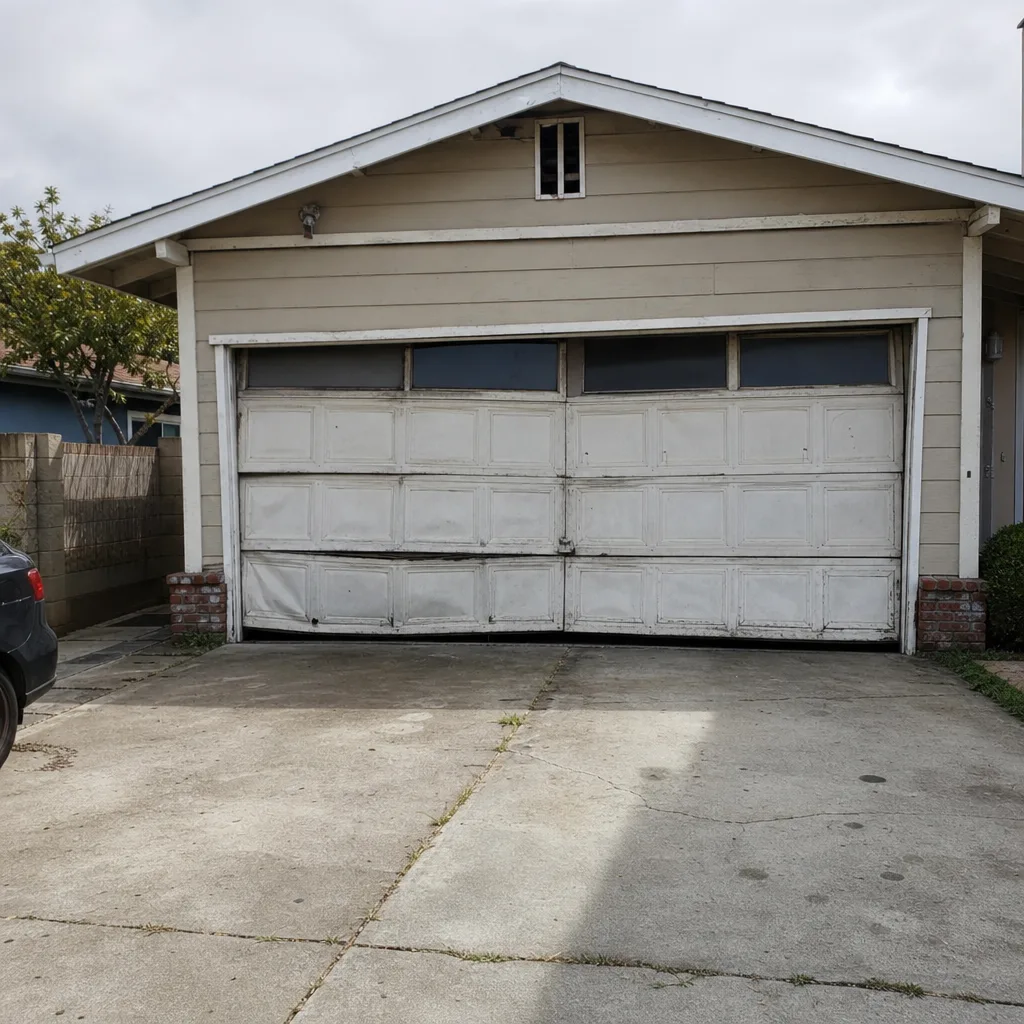 Before
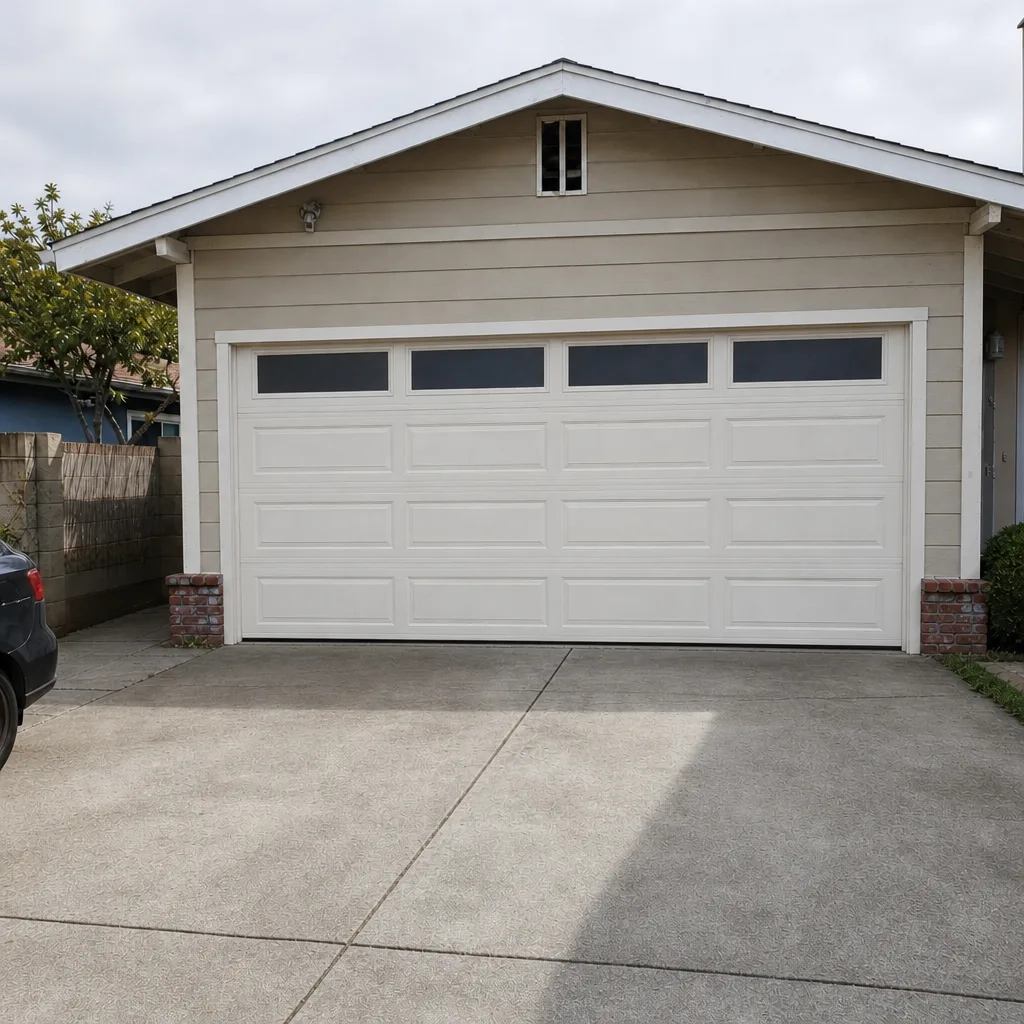 After
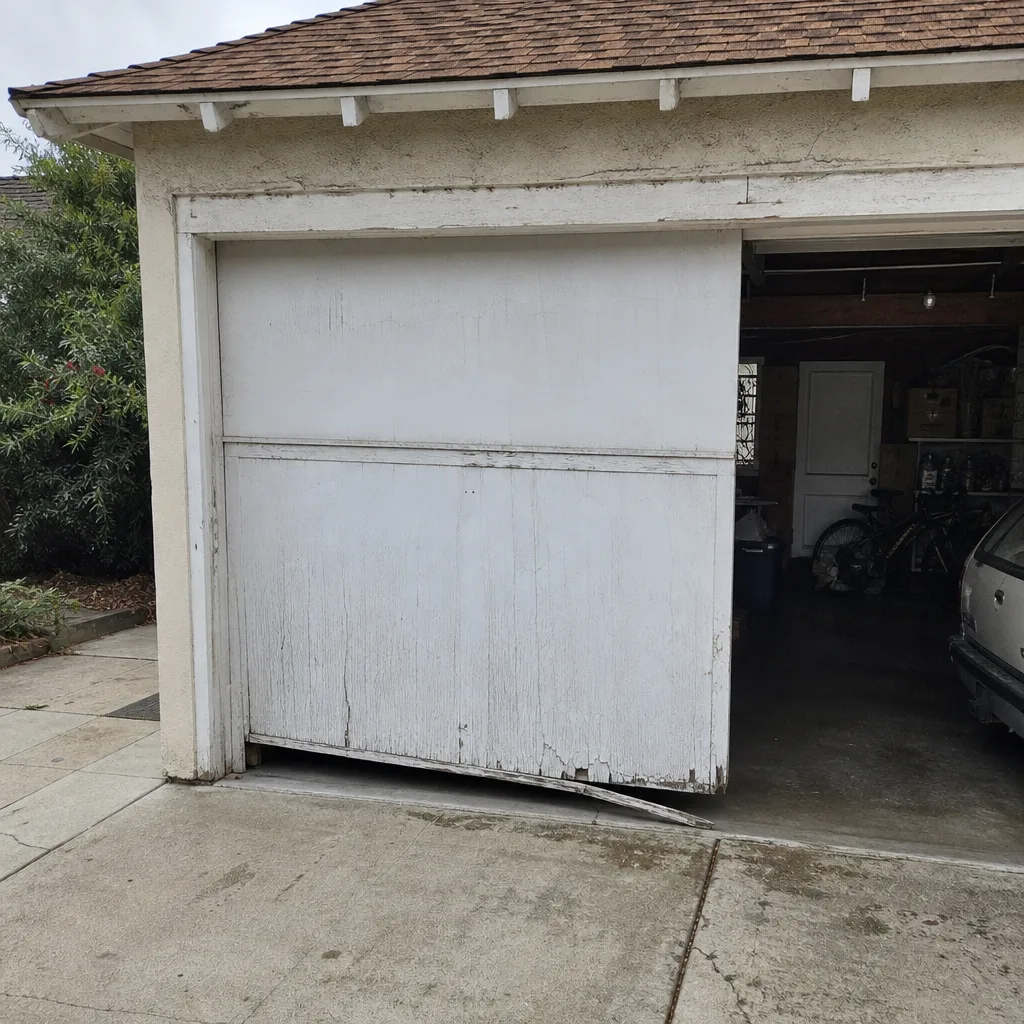 Before
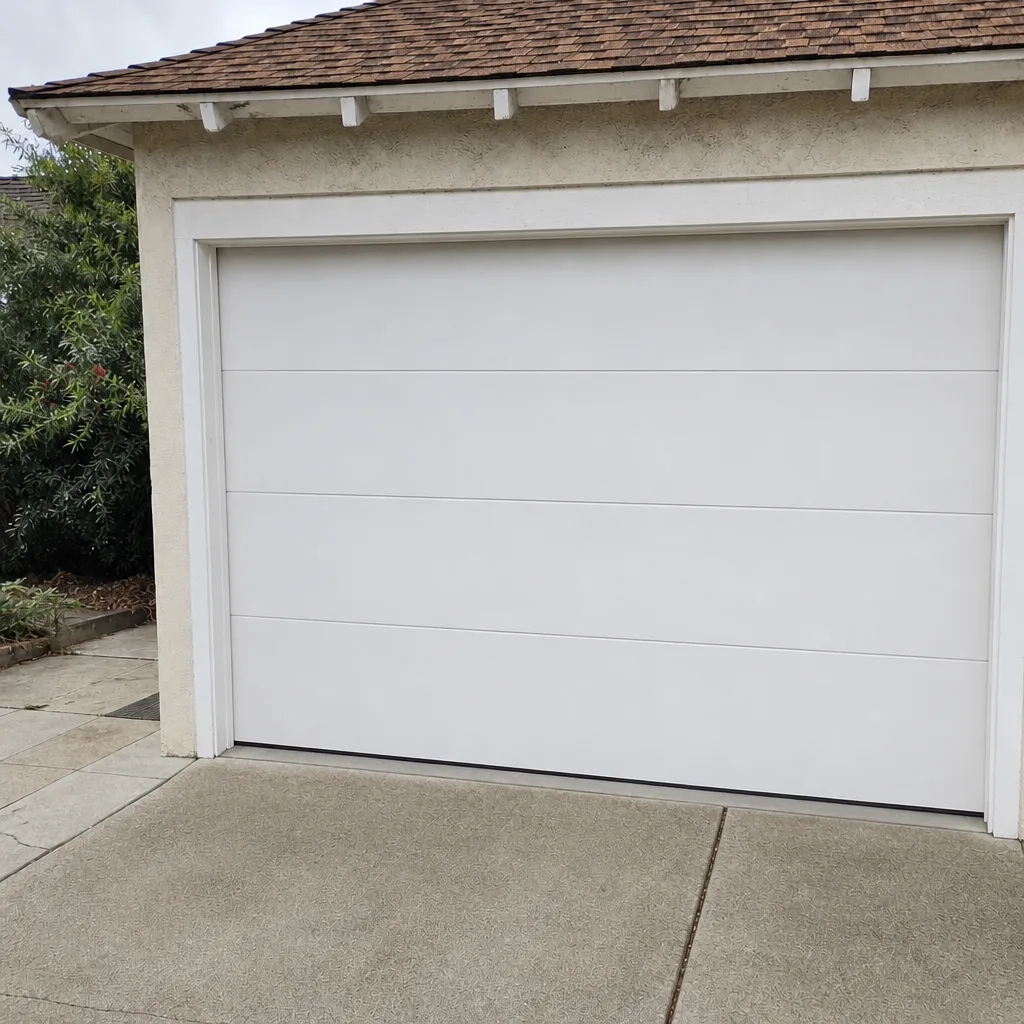 After
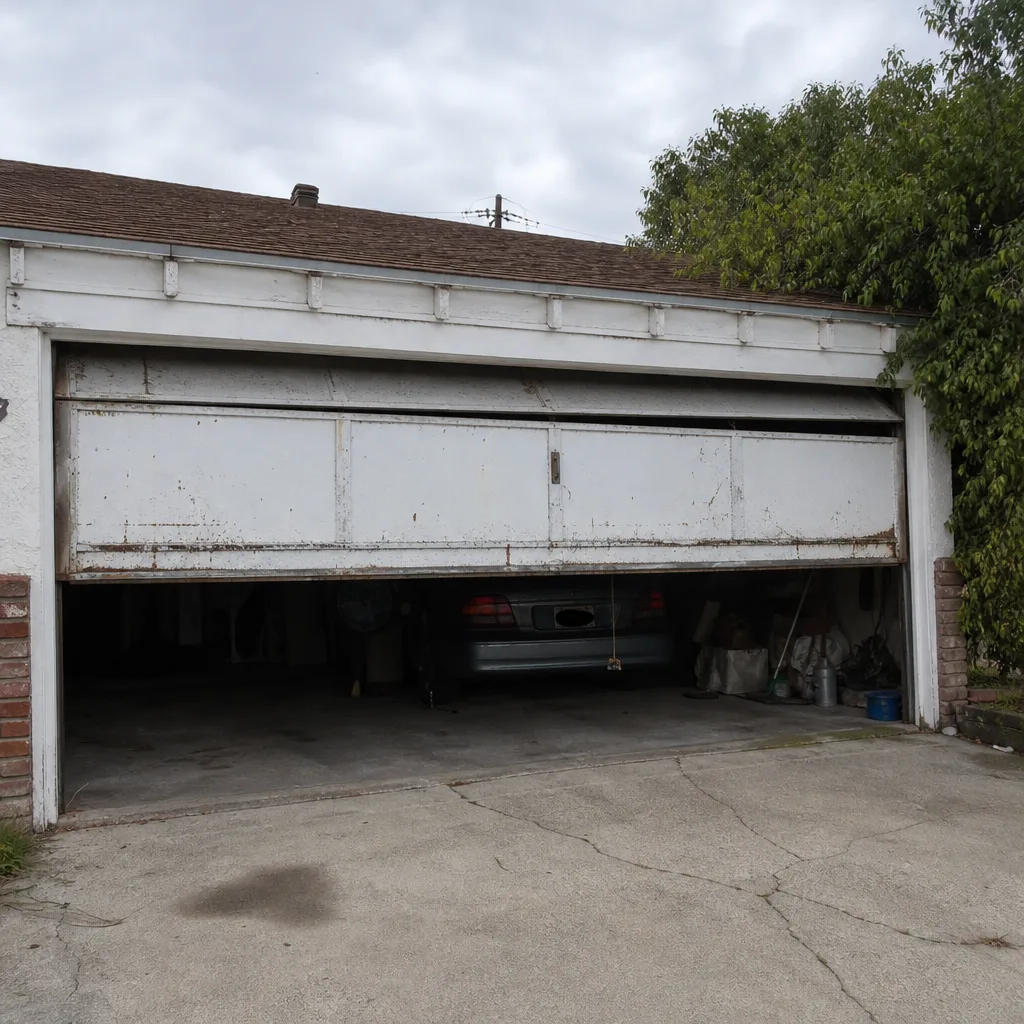 Before
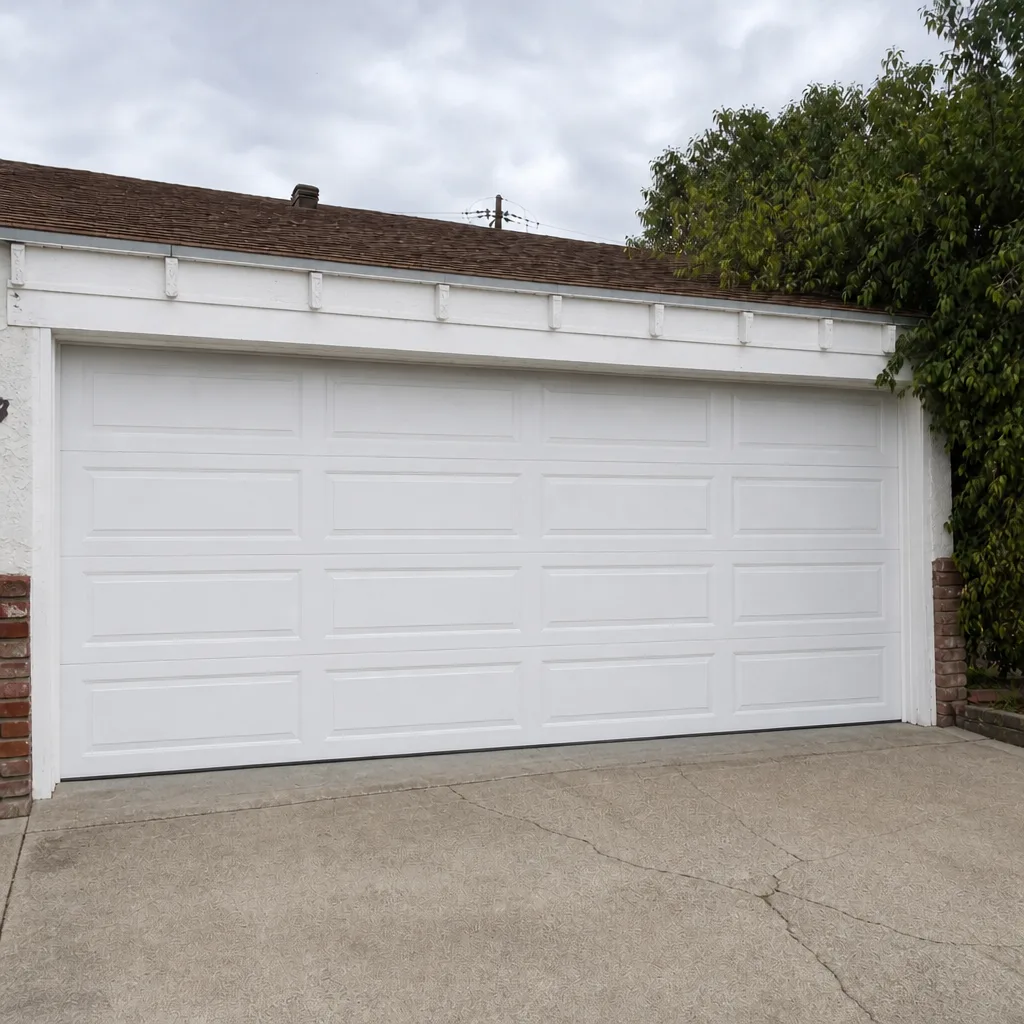 After